
Last updated October 17, 2026
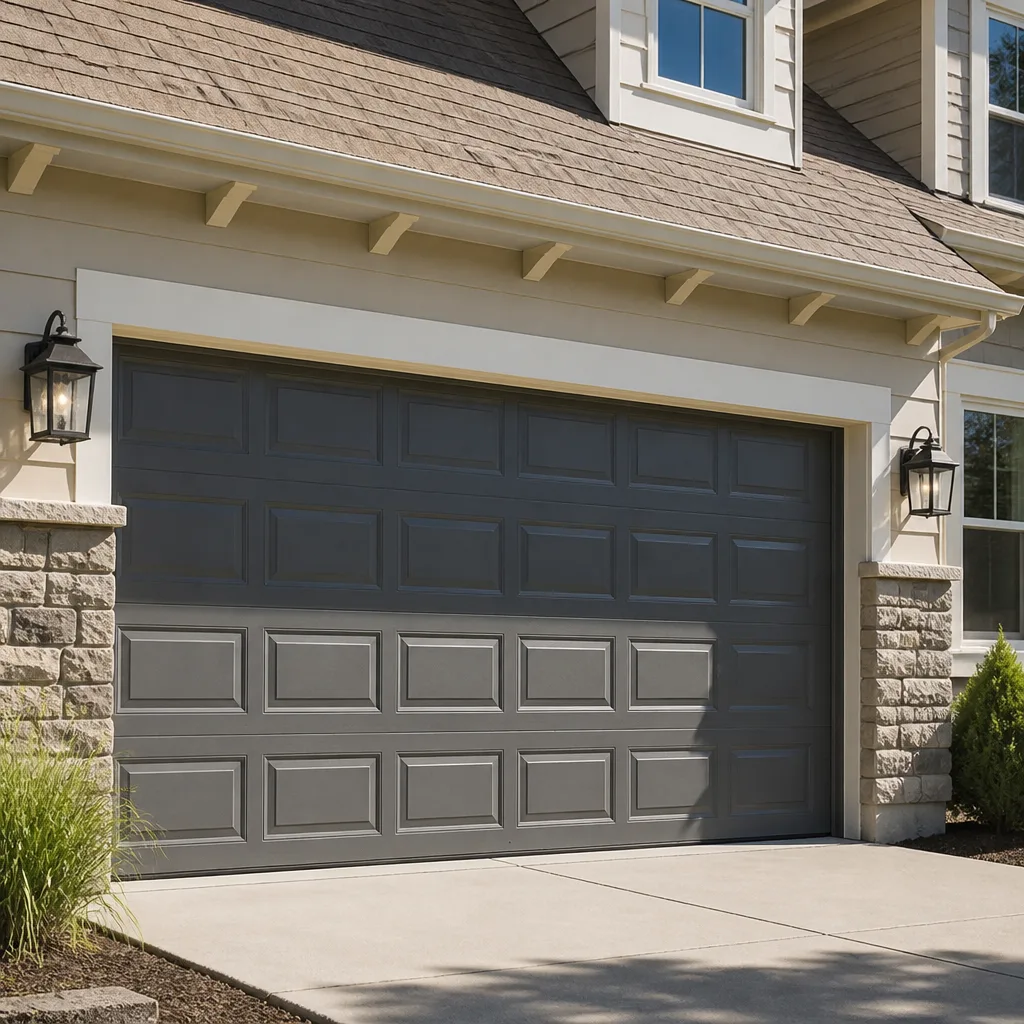 Raised-panel steel
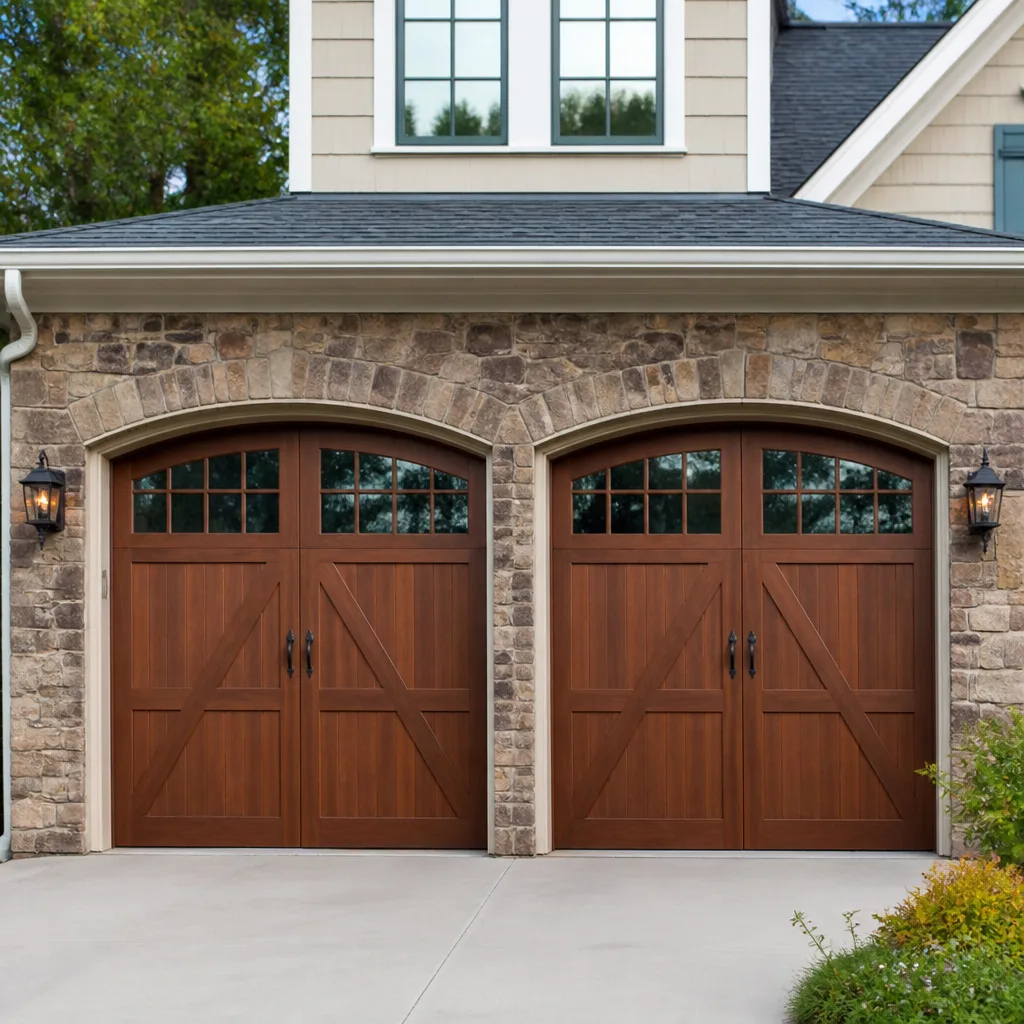 Carriage house
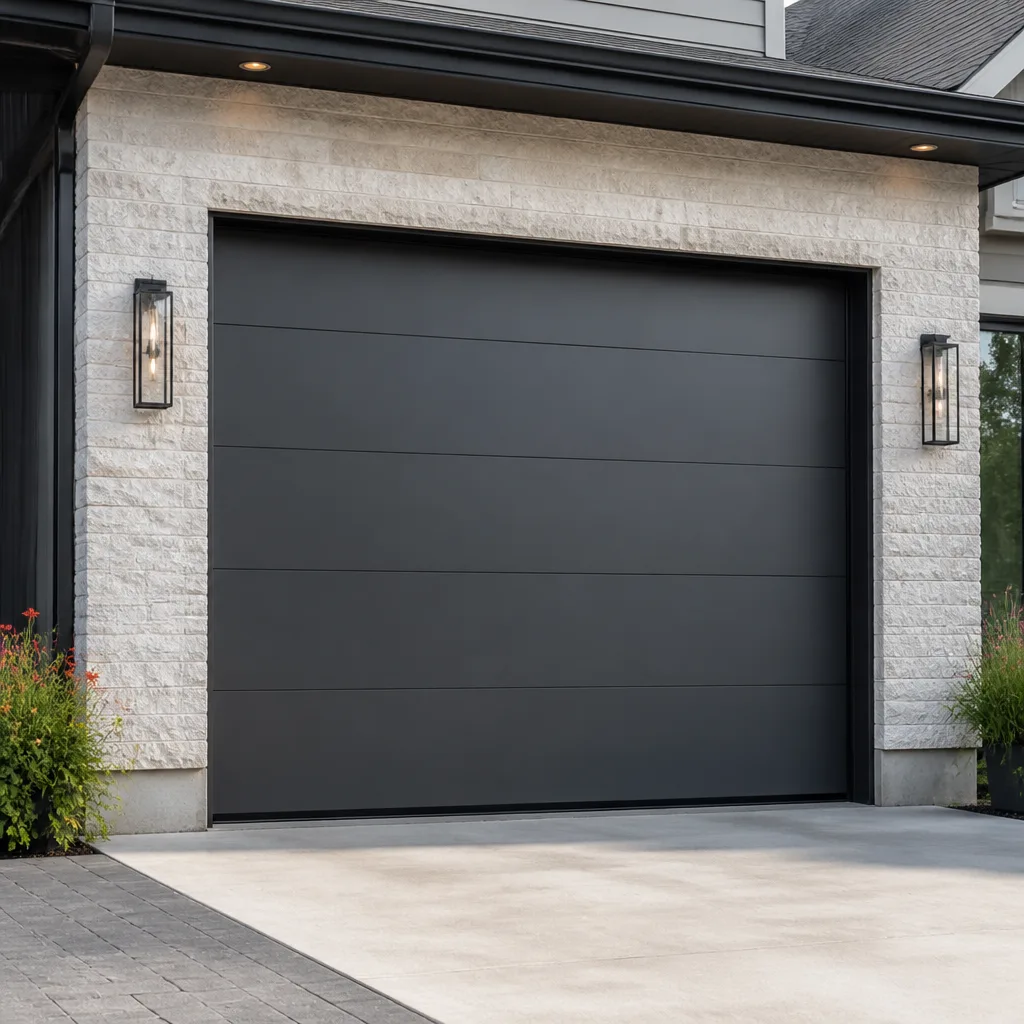 Modern flush
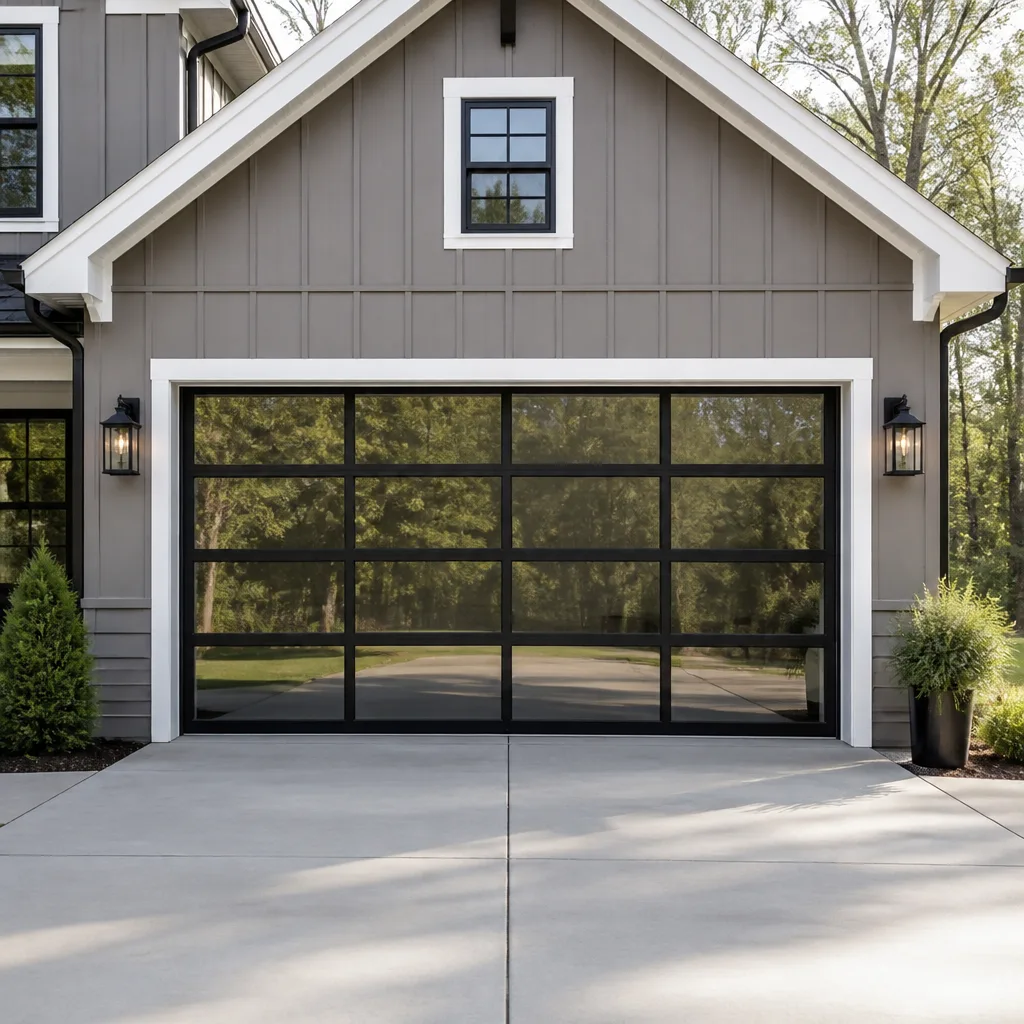 Full-view glass
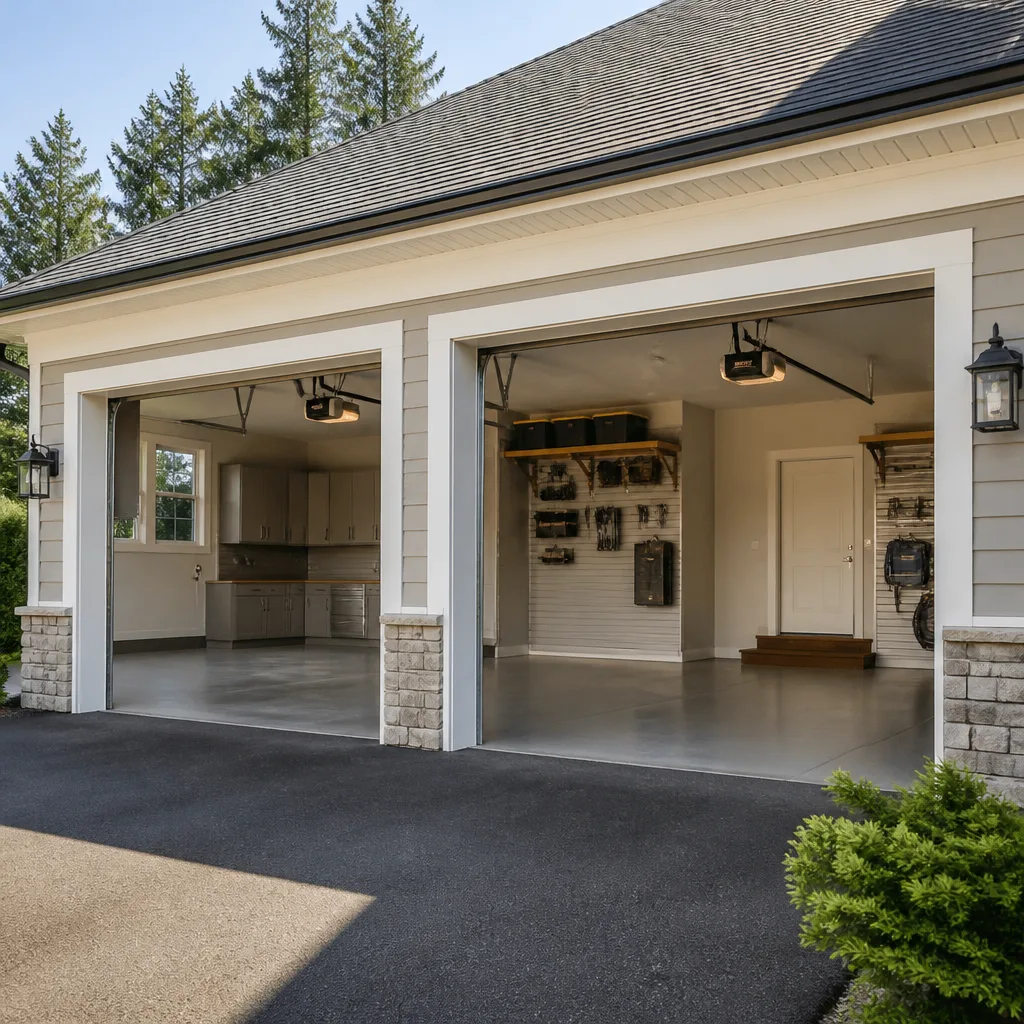 LiftMaster openers
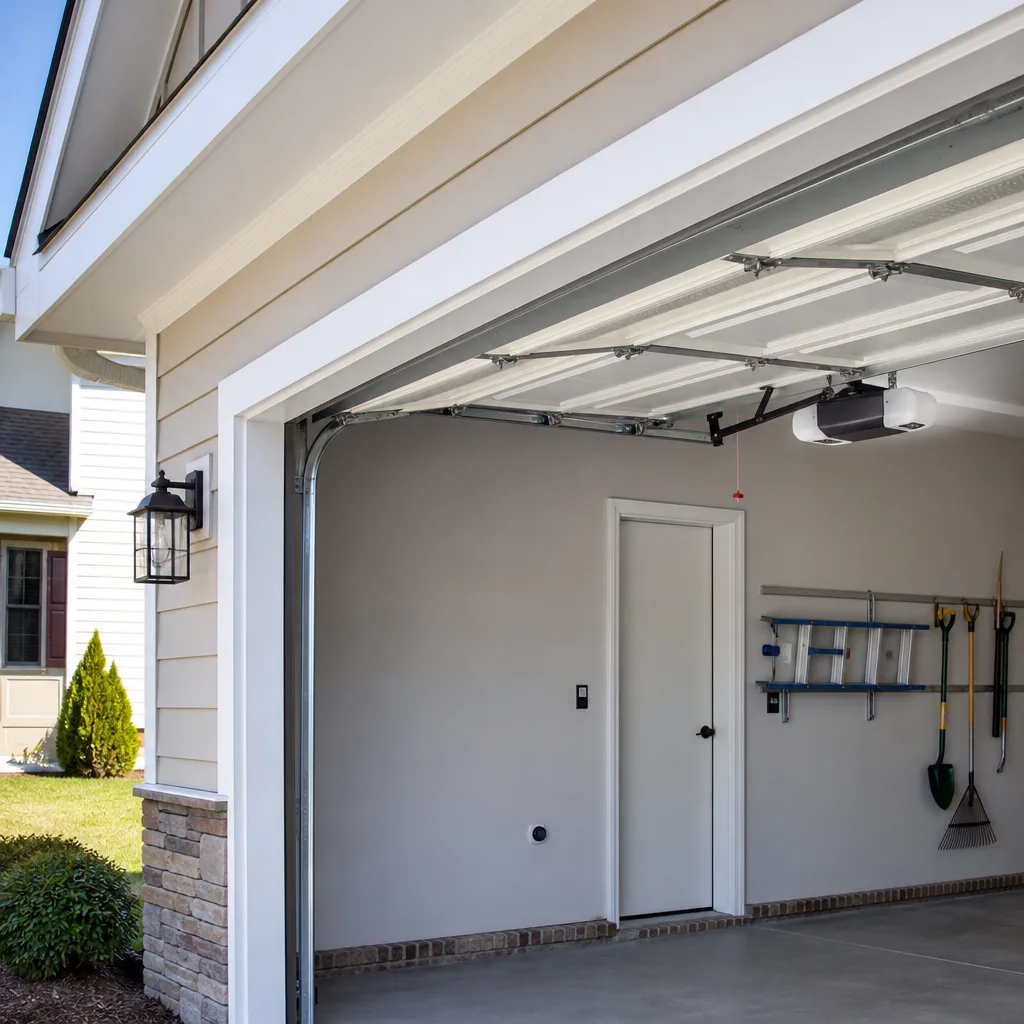 Chamberlain openers
Full 25-point door and opener safety check with every visit - springs, cables, rollers, tracks, and your LiftMaster or Chamberlain opener included
You get a price before we start. It does not change when the truck arrives.
Get your free estimateThe Complete Guide to Garage Door in San Antonio
Most San Antonio homeowners spend more time choosing a ceiling fan than choosing a garage door, yet the door accounts for up to 30% of the home’s visible exterior. That’s a strange math when you think about it. The fan cools one room. The garage door is the largest moving surface on your street-facing facade, and it quietly determines your energy bill, your curb appeal, and your family’s daily safety for the next 15 years. This guide organizes every decision in the order you will actually face it, not the order a salesperson prefers. Along the way, you’ll learn why San Antonio’s climate changes the math on materials, insulation, and wind ratings in ways that national buying guides miss.
Quick Answer
A garage door in San Antonio should be chosen in this order: material first (steel or a specific composite, given our UV and hail), then insulation level, then panel style, then opener type. Expect to spend $800 to $2,400 installed for a single steel door and $1,600 to $4,500 for a double door, depending on insulation and finish-see our Garage Door Cost Breakdown: The San Antonio Homeowner’s Reference for 2026 for full details. The most common costly mistake is picking a panel style and opener before settling the door’s structural and thermal requirements.
Styles & brands we work with
Table of Contents
- How San Antonio’s Climate Changes Material Choices
- Insulation R-Value Explained for South Texas (Not Minnesota)
- Wind-Load Ratings and San Antonio’s Local Wind Zone
- The Decision Sequence: What to Choose First (and Why)
- Warranty Reality Under San Antonio UV
- Opener Selection: After the Door Is Chosen
- Installation Cost Breakdown in San Antonio
- Maintenance Calendar for San Antonio Doors
How San Antonio’s Climate Changes Material Choices
San Antonio gets about 220 sunny days a year, with summer highs above 95 degrees for weeks at a time. That’s not a weather detail. It’s the single most important fact about buying a garage door here, because it eliminates options that work fine in Ohio or Oregon.
Wood garage doors are beautiful. They also absorb moisture during our humid springs, expand, contract, and require repainting every two to three years under South Texas UV. A cedar door that looks stunning in a showroom in Dallas will fade, crack, and swell in a San Antonio summer unless you commit to a maintenance schedule most families don’t want. We have installed wood doors for customers who understood the trade-off. We have also been called back to replace wood doors that warped within four years because no one warned the homeowner what our humidity swings would do.
Raw aluminum is lighter and cheaper, but it dents visibly during hail season. San Antonio sits inside a hail corridor that sees measurable hail roughly every other year, and a raw aluminum door can look pockmarked after a single bad storm. For most families, the material shortlist in San Antonio comes down to two options:
- Steel, 24-gauge or 25-gauge: The workhorse. It holds its shape through hail, resists warping, and accepts a factory-applied finish that stands up to UV better than site-applied paint. Clopay and Amarr both produce solid steel lines where the finish is baked on at the factory, not sprayed in a driveway.
- Fiberglass or resin composite: Lighter than steel, won’t dent, and won’t rot. It’s more expensive, but for homes facing west with full afternoon sun exposure, composites hold their color longer than even coated steel. Wayne Dalton makes a composite line worth looking at if your garage gets direct afternoon heat.
What about steel with an imitation wood finish? That’s a legitimate middle path. The steel core gives you the structural performance, and the film or embossed finish gives you the look of wood without the maintenance. It costs more than plain steel, but less than real wood over five years of upkeep.
This material decision is where most buyers get it backwards. They pick a panel design they like from a brochure, then discover that design only comes in unfinished wood or thin aluminum. Choose the material class first, then shop styles within that class. It will save you hours and prevent a decision you regret every time hail rolls through.
Insulation R-Value Explained for South Texas (Not Minnesota)
Most garage door manufacturers list R-values that were calculated for northern climates. Here’s what that means in practice: an R-value tells you how well the door resists heat transfer through the panel. But in San Antonio, the heat you’re fighting in July is radiant heat from direct sun exposure, not just conducted heat from cold air. A door with R-18 insulation but no thermal break between the steel layers will still transfer heat through the metal frame into your garage.
For an attached garage in San Antonio, here’s the practical range:
- R-3 to R-6 (non-insulated or single-layer steel): Fine if your garage is detached and you don’t use it as a workspace. The door heats up, the air inside heats up, and no one cares.
- R-9 to R-12 (polystyrene-insulated double-layer): The sensible minimum for any attached garage. It reduces heat transfer enough that a south-facing garage stays noticeably cooler, and it makes the door sturdier against wind and impact.
- R-13 to R-18 (polyurethane-injected triple-layer): Worth the money if the garage shares a wall with a bedroom, if you have a home gym or workshop in the garage, or if the door faces west and bakes all afternoon. Polyurethane fills the panel completely, which also makes the door quieter and more rigid.
A specific number that matters here: a west-facing garage door on a 100-degree day in San Antonio can reach a surface temperature over 140 degrees. The air inside the garage can climb 20 to 30 degrees above outdoor temperature without adequate door insulation. That heat doesn’t stay in the garage. It seeps through the shared wall into your home and forces your AC to work harder from about 3 p.m. until midnight. When you do the math on insulation cost versus AC savings over five years, the insulated door wins for any attached garage in San Antonio.
The mistake we see most often is under-spending on insulation for a door that faces west. Homeowners treat the garage as a separate box, but it’s not. It’s a room with a thin wall touching your living space, and the door is the largest uninsulated panel on it.
Wind-Load Ratings and San Antonio’s Local Wind Zone
San Antonio sits in a wind zone that requires garage doors to meet specific design pressure ratings under the Texas building codes adopted by the city. This isn’t a coastal hurricane requirement, but it’s not optional either. The city of San Antonio enforces a minimum wind-load rating for new garage door installations, and any reputable installer in the 210 area should pull the permit and verify the door meets the code before ordering it-learn more in our guide to Garage Door Permits, Codes & Inspections in TX: What You Need to Know.
Here’s how to read a wind-load rating without a structural engineering degree:
- Design pressure (DP) rating: Expressed as a number like DP-35 or DP-50. This is the pounds per square foot the door can withstand before deflecting beyond its safety limit. Higher is better.
- Wind speed equivalent: Some manufacturers state a door is rated for “130 mph wind” rather than a DP number. Both are ways of expressing the same thing, but DP is the one your building inspector will want to see.
- Reinforcement struts: Steel U-channels mounted horizontally across the interior of the door. They increase the door’s stiffness and wind resistance. Most code-compliant doors in San Antonio need at least one strut on a single door and two on a double door.
Why this matters now, not at installation: if you buy a door online or from a big-box retailer and it arrives with a wind-load rating below what San Antonio’s code requires, your installer cannot legally pull a permit for it. You’ll be stuck either returning a door you already paid shipping on, or installing it without a permit and dealing with that problem when you sell the house. This is one of the quiet reasons to buy locally. A San Antonio garage door installation through a local company means the door has been specified correctly for our wind zone before anyone places an order.
Hail is the other half of the wind equation. Wind-load ratings are about the door staying in its tracks during a storm. Hail is about the door surface surviving impact. A steel door with a 24-gauge skin and a high-quality factory finish will shrug off most San Antonio hail. A thin aluminum door won’t. If your home insurance policy has a hail deductible, you’ll want the stronger door to reduce the chance you ever have to pay it.
The Decision Sequence: What to Choose First (and Why)
The most common and costly planning mistake is choosing the opener before the panel. It happens constantly. A homeowner sees a smart opener on sale, buys it, then discovers it can’t lift the weight of the insulated steel door they actually need for a west-facing garage. Opener capacity is a function of door weight, and door weight is a function of material and insulation. The opener is the last decision, not the first.
Here is the sequence we walk every customer through, in order:
- Material: Steel or composite, based on sun exposure and hail tolerance. This decision is structural and harder to change later.
- Insulation: Attached garage or detached? West-facing or shaded? R-9 minimum for attached, R-13 plus for shared-wall or workshop scenarios.
- Wind-load compliance: Confirm the door meets San Antonio’s code. Skip this step and the permit process stalls.
- Panel style and finish: Now you can browse. Raised panel, recessed panel, carriage-house styling, windows or no windows. All within the material and insulation class you already settled.
- Opener: Horsepower, drive type, smart features. Chosen last, sized to the door’s actual weight.
This sequence exists because the first three decisions are expensive to reverse. The last two are easy to adjust. It’s the difference between a cohesive system and a set of mismatched parts that annoy you for a decade.
One more note on style: in San Antonio, a carriage-house door with decorative hardware and windows is the most popular aesthetic upgrade for resale. The photo-ready look many buyers want when they first call us is a Clopay or Amarr steel carriage door with an R-value around 12 and a belt-drive opener. That combination is common for a reason: it works, it looks right on a Texas limestone facade, and it holds value.
Warranty Reality Under San Antonio UV
Here’s what most door warranties won’t tell you, and what San Antonio’s UV exposure actually does. A typical steel garage door carries a “lifetime” warranty on the steel panel against rust-through, and a much shorter finish warranty, usually 1 to 3 years, on the paint or coating. The distinction matters enormously here.
In a mild climate, a factory finish on a steel door can look good for 10 years. In San Antonio, an unprotected finish on a west-facing door can start showing visible fading and chalkiness within 3 to 5 years. It won’t rust through in that time, so the “lifetime” steel warranty never triggers. But the finish will look tired, and the finish warranty has already expired.
What actually protects against UV here:
- Baked-on polyester or polyurethane topcoats: These resist UV chalking far better than painted or sprayed finishes. Look for the word “baked” in the manufacturer’s spec sheet, not “primer plus topcoat.”
- Darker colors fade faster: A classic white or light tan door will hold its appearance longer than a deep charcoal or black. That’s not opinion, it’s UV physics. If you want a dark door, accept that the finish will need attention sooner.
- Overhang or shade: A door protected by a porch overhang or the shade of a large live oak lasts visibly longer. South and west exposures without shade are the hardest on finish.
Before you buy, ask the installer to show you the finish warranty section in writing, not the steel warranty summary. If the finish warranty is one year, plan for professional refinishing in year four or five under San Antonio sun. If it’s three years or more, the manufacturer is confident in their coating chemistry, which is what you want.
We’ve been called out to homes where the door was five years old and looked ten because no one explained what direct San Antonio afternoon exposure would do. The fix is usually a site-applied refinish, which works but never looks as uniform as the original factory finish. The time to think about UV is before the door goes in, not after it starts chalking.
Opener Selection: After the Door Is Chosen
Once the door’s material, insulation, and wind-load rating are settled, the opener is a straightforward decision. What you’re really choosing is drive type, horsepower, and whether you want smart connectivity.
Drive type comes first. Chain-drive openers are the cheapest and loudest. Belt-drive openers cost about $100 to $150 more and run significantly quieter, which matters if there’s a bedroom above the garage or if you leave early while the rest of the house sleeps. Screw-drive openers exist but are less common now, and they tend to run hot in San Antonio summers. For most families here, the choice is between chain and belt, and belt wins whenever noise is a consideration.
Horsepower sizing is tied directly to the door you picked in the sequence above:
- 1/2 HP: Fine for a single-layer, non-insulated steel door. Light and simple.
- 3/4 HP: The default choice for most single insulated doors and uninsulated double doors.
- 1 HP or higher: Needed for heavy double insulated steel doors with struts, solid wood doors, or any door with a high wind-load rating and added reinforcement.
Smart connectivity is optional but useful. LiftMaster, Chamberlain, and Genie all make openers with apps that let you open the door from your phone, set alerts, and give temporary access codes. If Amazon delivers packages to your garage, the in-garage delivery integration some openers support is a real convenience. Just confirm the smart features work with your home’s Wi-Fi setup before paying extra for them.
One warning about opener selection in San Antonio specifically: heat shortens opener lifespan. Openers mounted in garages that regularly exceed 110 degrees work harder and fail earlier than openers in air-conditioned or shaded garages. The fix isn’t a different opener; it’s a properly insulated door and, where possible, ventilation in the garage. The door and the opener are a system. Upgrading the opener without addressing a hot garage is treating a symptom.
If your current opener has failed and you need repair rather than replacement, our garage door repair in San Antonio page covers the most common failure points and what they cost to fix.
Installation Cost Breakdown in San Antonio
Prices here reflect what we see in the San Antonio market as of this writing. They are ranges, not quotes, but they’ll keep you from being surprised by either a lowball or an inflated number.
| Item | Typical Range in San Antonio | Notes |
|---|---|---|
| Single steel door, non-insulated | $800 – $1,400 installed | Budget option; fine for detached garages |
| Single steel door, insulated (R-9 to R-12) | $1,200 – $2,200 installed | The sensible sweet spot for most homes |
| Double steel door, insulated | $1,800 – $4,500 installed | Price moves with insulation grade and finish |
| Composite or carriage-house steel upgrade | Add $400 – $1,200 | Finish and hardware choices drive this |
| Opener, installed | $400 – $800 | Belt-drive and smart features at the high end |
| Old door haul-away and disposal | $75 – $150 | Often included; confirm before signing |
Two points worth understanding. First, the price should be quoted and agreed in writing before any work starts. If an installer won’t put the number on paper before they begin, that’s not a company protecting your interests. At Fernbrook Garage Doors San Antonio, a written price is presented on every visit, no exceptions. The price you approve is the price you pay.
Second, installation quality is not evenly distributed in this market. A door installed slightly out of level will wear its rollers unevenly, sag on one side, and eventually bind. You won’t see it on day one. You’ll see it in year three when the door starts shaking on its way up. The difference between a careful install and a rushed one is most visible in how the door behaves years later, not on installation day.
Maintenance Calendar for San Antonio Doors
A garage door in San Antonio needs about 30 to 45 minutes of attention twice a year to stay smooth and quiet. Here’s the schedule we give to every homeowner after an install or major repair.
Spring (April, before the heat settles in):
- Wash the door with mild soap and a soft brush. San Antonio spring pollen is aggressive and it dulls the finish over time if left to bake on.
- Lubricate the rollers, hinges, and springs with a silicone-based garage door lubricant. Avoid WD-40; it’s a solvent, not a lubricant. For homes with pets, a dry silicone spray is the pet-safe choice.
- Check the rubber weatherstripping along the bottom. Our heat and dry air crack it faster than you’d expect. If it’s hard and split, replace it before the summer heat works against a gap.
Fall (October, before the first cold front):
- Repeat the wash and lubricate steps above.
- Inspect the balance. Disconnect the opener and lift the door manually by the handle. It should rise smoothly and hold at waist height. If it drops or feels heavy, the springs may be losing tension and need professional attention.
- Test the auto-reverse safety sensors. Place a roll of paper towels in the door’s path and close it. The door should reverse immediately. If it doesn’t, call a technician.
Springs deserve a specific note because they’re the component most likely to fail and the one you should never attempt to replace yourself. A torsion spring under tension stores enough energy to cause serious injury if it releases suddenly. When a spring snaps, you’ll typically hear a loud crack from the garage, and the door will refuse to open or will open a few inches and stop. If that happens, leave the door alone and call a professional trained in high-tension spring work. Our garage door spring repair in San Antonio page explains the process and what a replacement should cost.
Regular maintenance extends the door’s life by years, but it also gives you a baseline. When the door starts behaving differently, squeaking where it used to be quiet or hesitating where it used to move smoothly, you’ll notice it early because you know how it’s supposed to feel. Early attention costs less than late repair.
Common Mistakes to Avoid
- Choosing panel style before material. The look is easy to change later. The material and insulation are not. Decide steel or composite, then shop styles.
- Ignoring the finish warranty and buying on steel warranty alone. San Antonio UV fades finishes long before steel rusts through. Read the finish coverage or plan for repainting in year four.
- Under-insulating a west-facing attached garage. That door will broil every afternoon from March through September, and your AC will pay for it. R-9 is the floor for any attached garage here.
- Buying an opener before the door. Opener horsepower must match door weight. Door weight depends on material and insulation. Run the sequence, don’t skip it.
- Skipping the wind-load code check. A door that doesn’t meet San Antonio’s wind zone requirements can’t be permitted. Buy local where the spec is confirmed before ordering.
- Using penetrating oil on door parts. WD-40 washes away existing grease and attracts dust. Use silicone lubricant, and use a pet-safe formulation if animals roam the garage.
- Attempting spring repair yourself. Torsion springs carry lethal energy. This is the one repair where DIY can turn into an emergency room visit. Call a trained professional.
See the difference
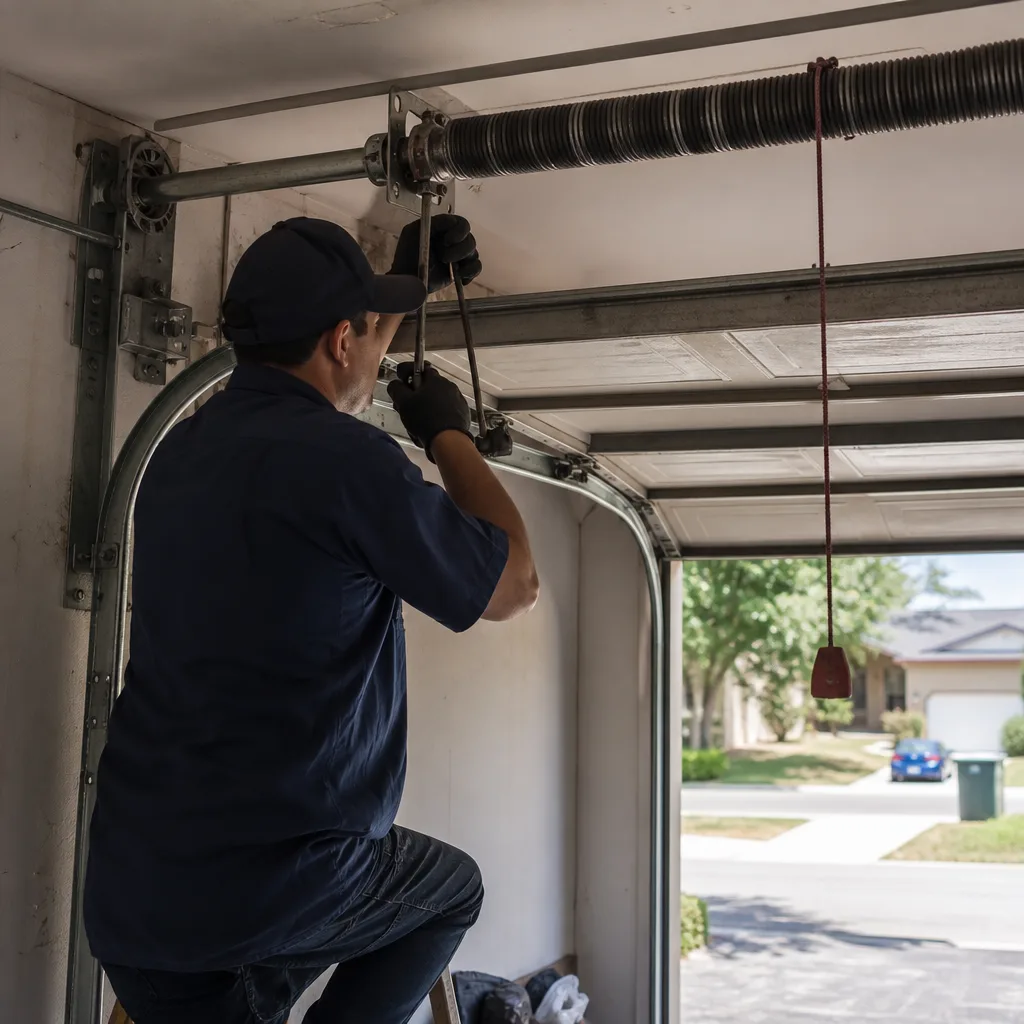 Before
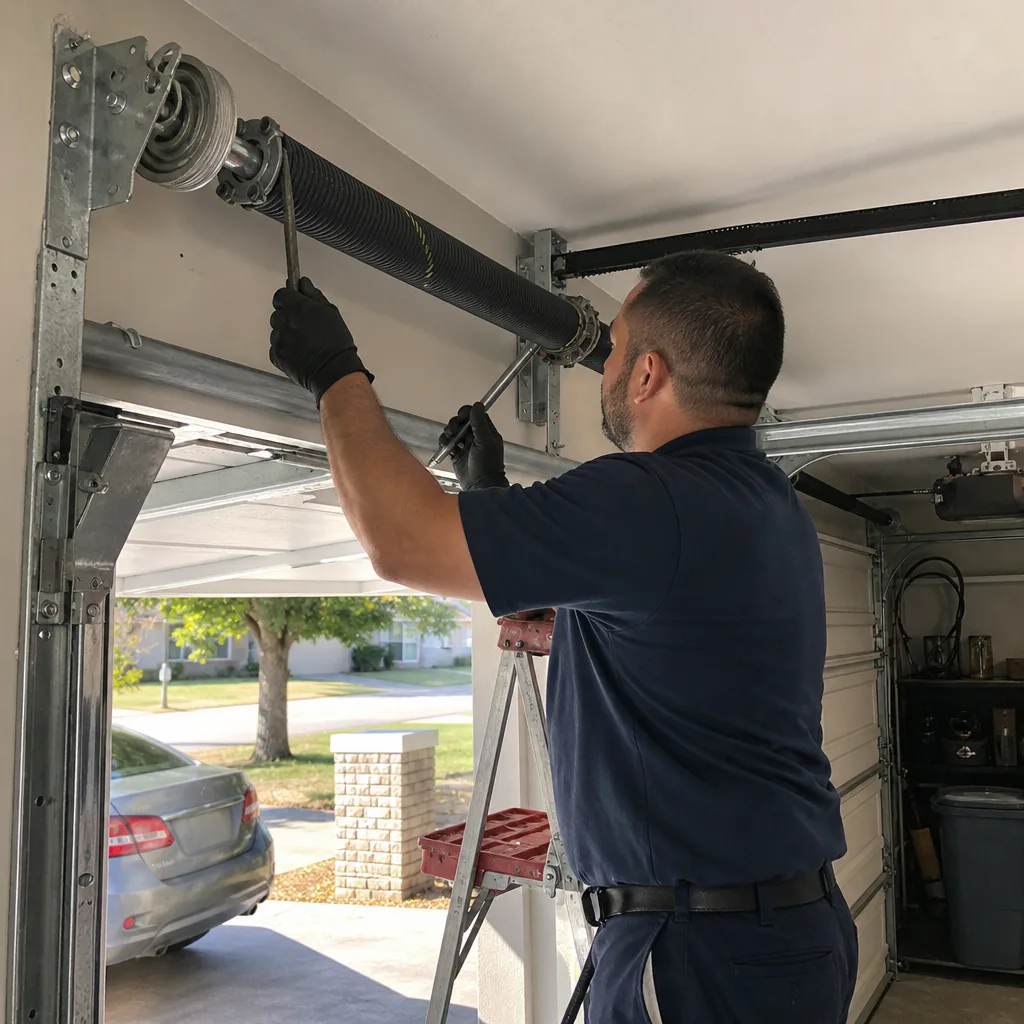 After
After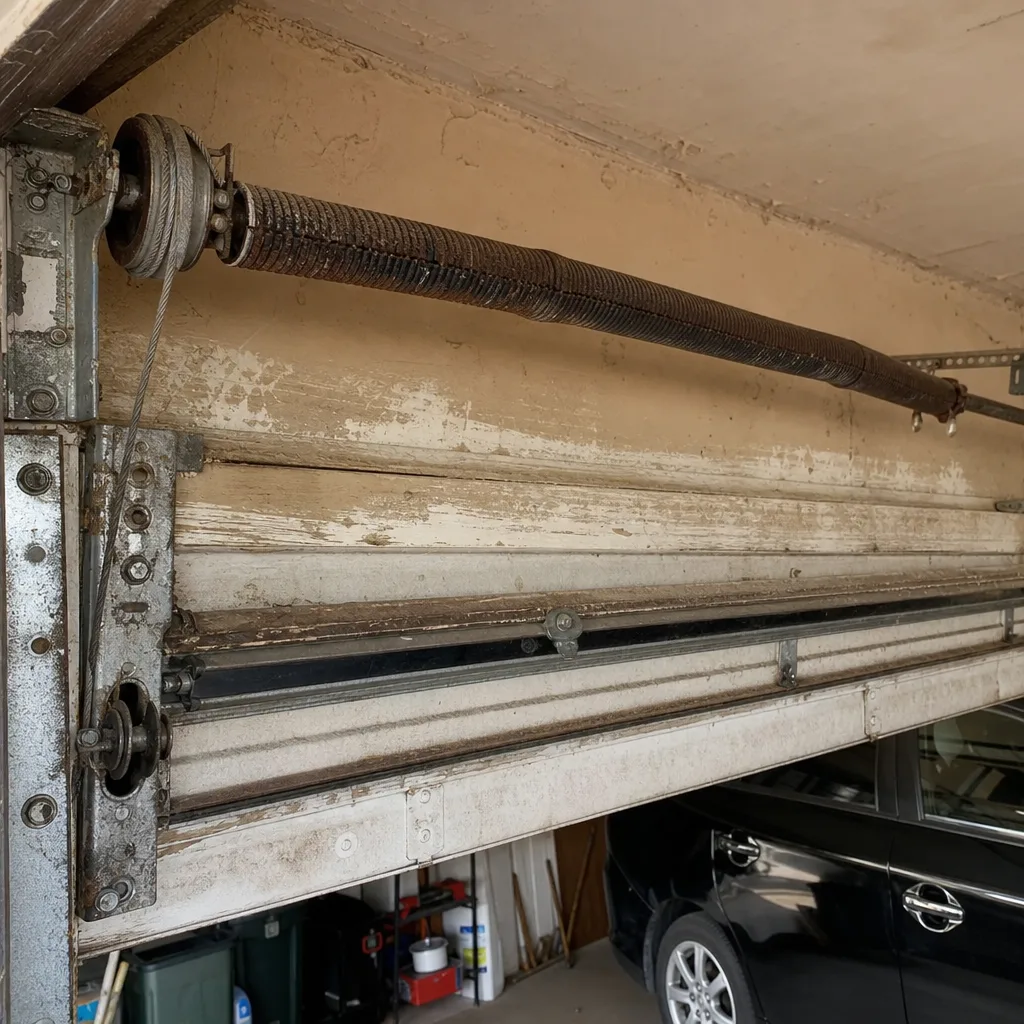 Before
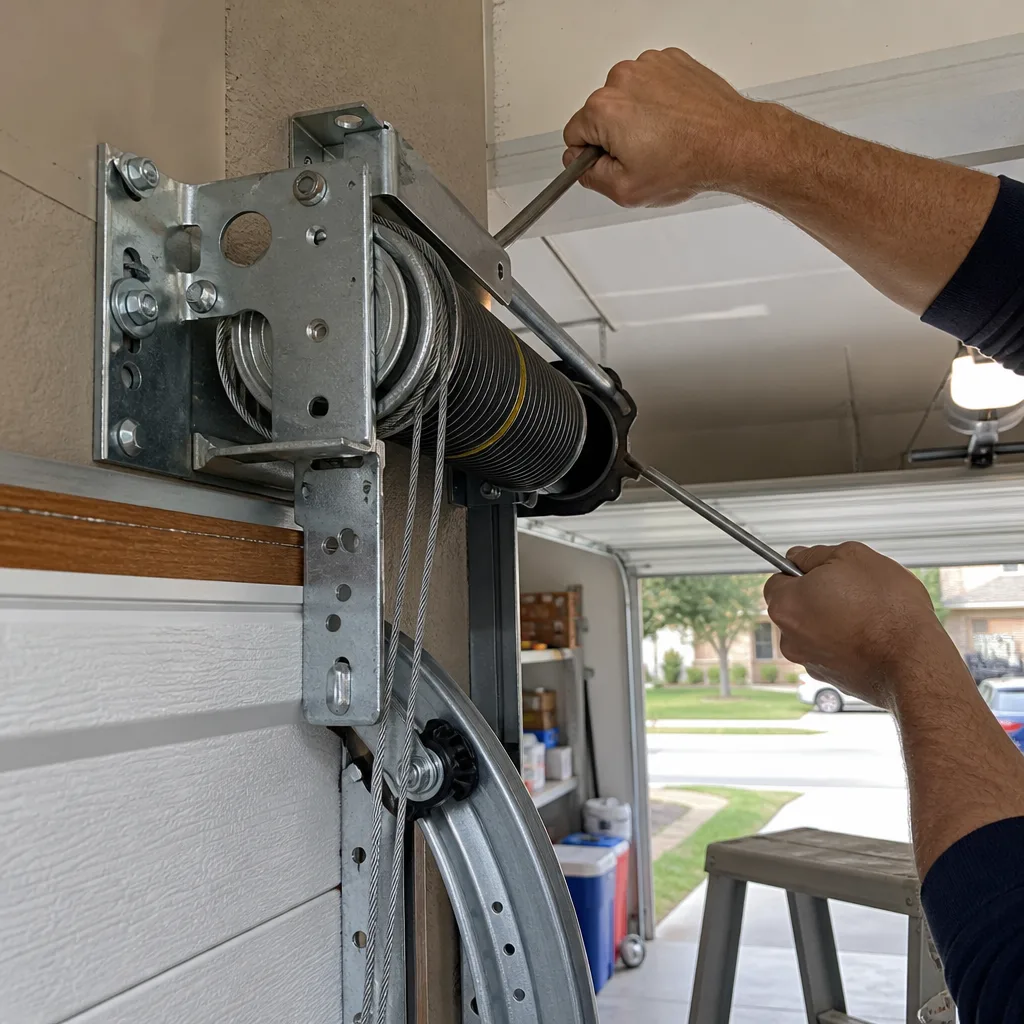 After
After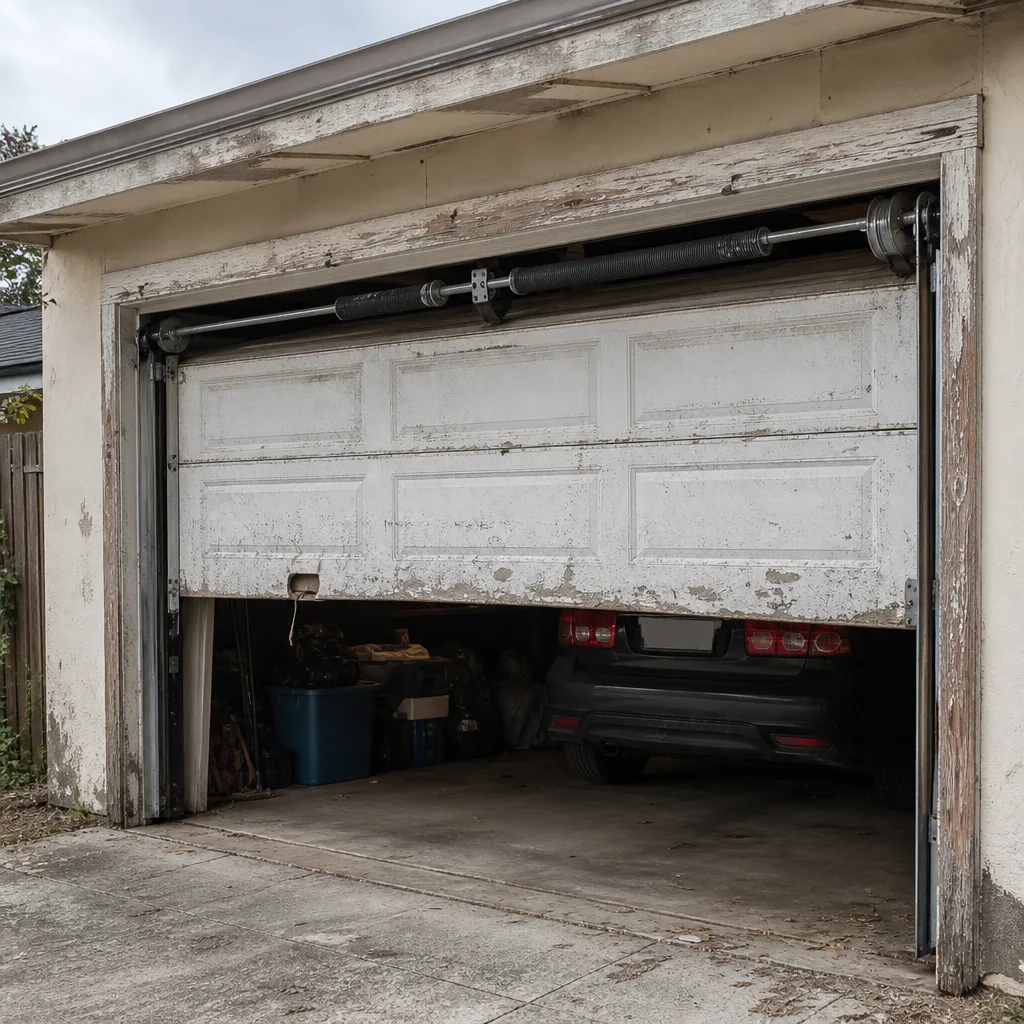 Before
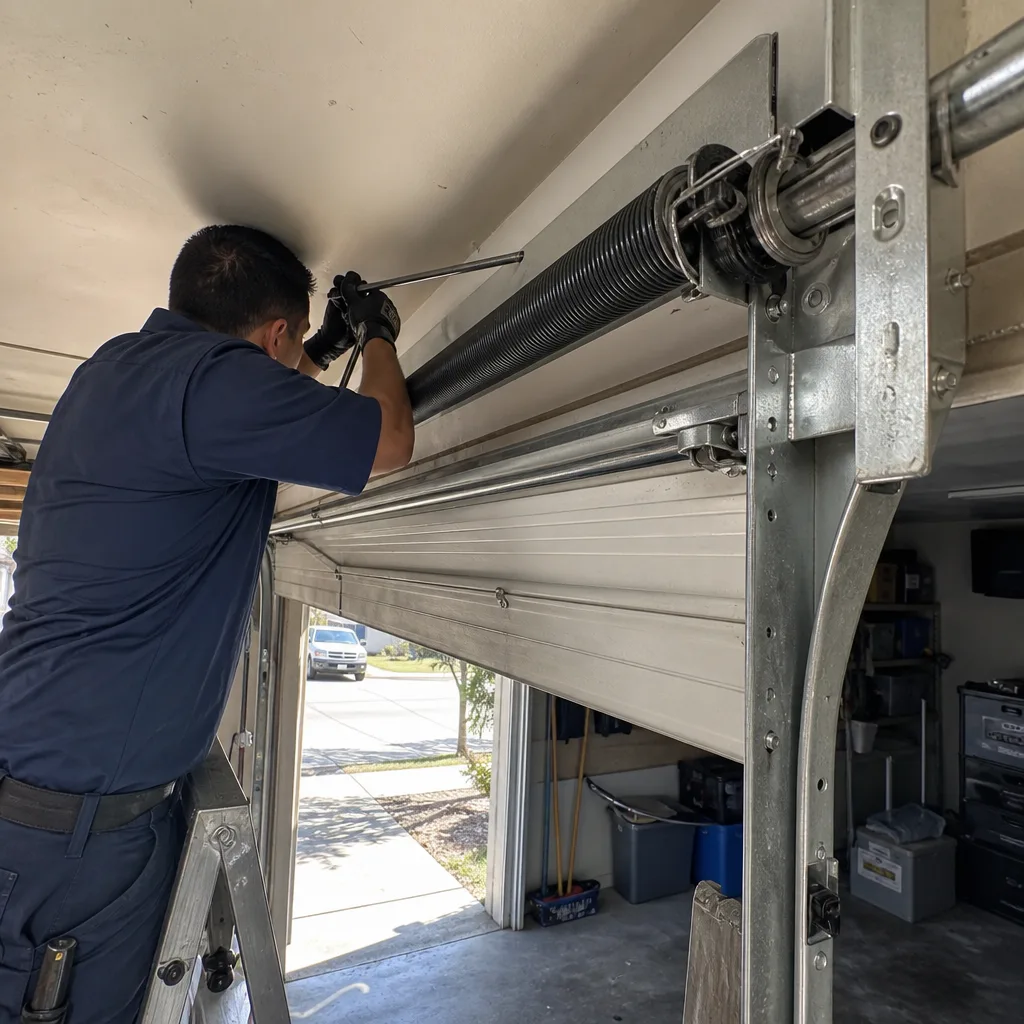 After
AfterWhen to Call a Professional
Call a technician when the door is off balance, when it shakes or makes grinding noises, when a spring has snapped, when the safety sensors won’t align, or when the door opens and closes on its own without input. These symptoms signal a mechanical failure in progress, and a door that fails halfway up is a heavy, dangerous object hanging over a space where your kids and pets walk. Also call when the door still works but the rollers or hinges are visibly wearing, because caught early, those parts are cheap. Caught late, they take the tracks with them.
Fernbrook Garage Doors San Antonio offers free estimates in San Antonio. Call (806) 602-8374 and a live person will answer, any hour of any day. No voicemail trees, no next-day callbacks.
Frequently Asked Questions
A new garage door in San Antonio typically costs $800 to $4,500 installed, depending on size, material, and insulation grade. Single steel doors without insulation sit at the low end, while double insulated carriage-house doors in a composite or premium steel finish reach the high end. Every Fernbrook job includes a written price before work begins, so you’ll never face a surprise invoice. Call (806) 602-8374 for a free estimate.
Insulated steel is the best all-around material for San Antonio, because it tolerates our UV, humidity swings, and hail better than wood or raw aluminum. A 24-gauge or 25-gauge steel door with a factory-baked finish will hold its appearance and shape for years. Composites are worth considering for west-facing doors with no shade. Wood is a maintenance commitment most families here eventually regret.
Spend enough to reach R-9 to R-12 if your garage is attached to the house, and R-13 or higher if the garage shares a wall with a bedroom or you use it as a workspace. In San Antonio’s heat, an insulated door keeps the garage meaningfully cooler and reduces the heat load on your home’s AC. Detached garages can get away with less.
Sometimes, but never assume. A heavier insulated steel door may exceed the lifting capacity of an older half-horsepower opener. The opener has to be sized to the new door’s weight, not the old one’s. Decide the door first, then evaluate the opener honestly. A technician can measure the door weight and tell you whether your current opener can handle it.
Broken torsion springs are the most common repair we do in San Antonio. The heat cycling and daily use wear them out predictably, and when one breaks, the door won’t lift. Repair is not a DIY job; the spring is under lethal tension. A trained technician replaces both springs at once, since they wear evenly. For more detail, see our garage door spring repair guide.
A standard single-door replacement takes about half a day, including haul-away of the old door. Double doors and installations with new tracks, reinforcement struts, or opener replacement can take a full day. The work is scheduled, measured, and ordered in advance, so the crew arrives with everything needed. Call (806) 602-8374 for a timeline specific to your home.
The Bottom Line
A garage door is a 15-year decision hiding in plain sight. In San Antonio, the material you choose determines how the door survives our hail and sun, the insulation level determines what your AC pays every summer, and the wind-load rating determines whether the install even clears code. Run the decisions in order: material, insulation, wind compliance, style, opener. Insist on a written price before work starts. Maintain the door twice a year and lubricate with the right product. And when a spring snaps or the door starts acting wrong, call a professional trained to handle it safely. Get the door right once, and it will take care of your family quietly for more than a decade. For more guides & resources, visit our blog.
We are Fernbrook Garage Doors San Antonio home, and if you’d like someone to walk your specific home through this decision sequence, call us at (806) 602-8374. A live person answers, day or night, and a free estimate costs you nothing but a phone call.
Written by Jesse Calder, Owner at Fernbrook Garage Doors San Antonio, serving San Antonio since 2002.