
Last updated October 17, 2026
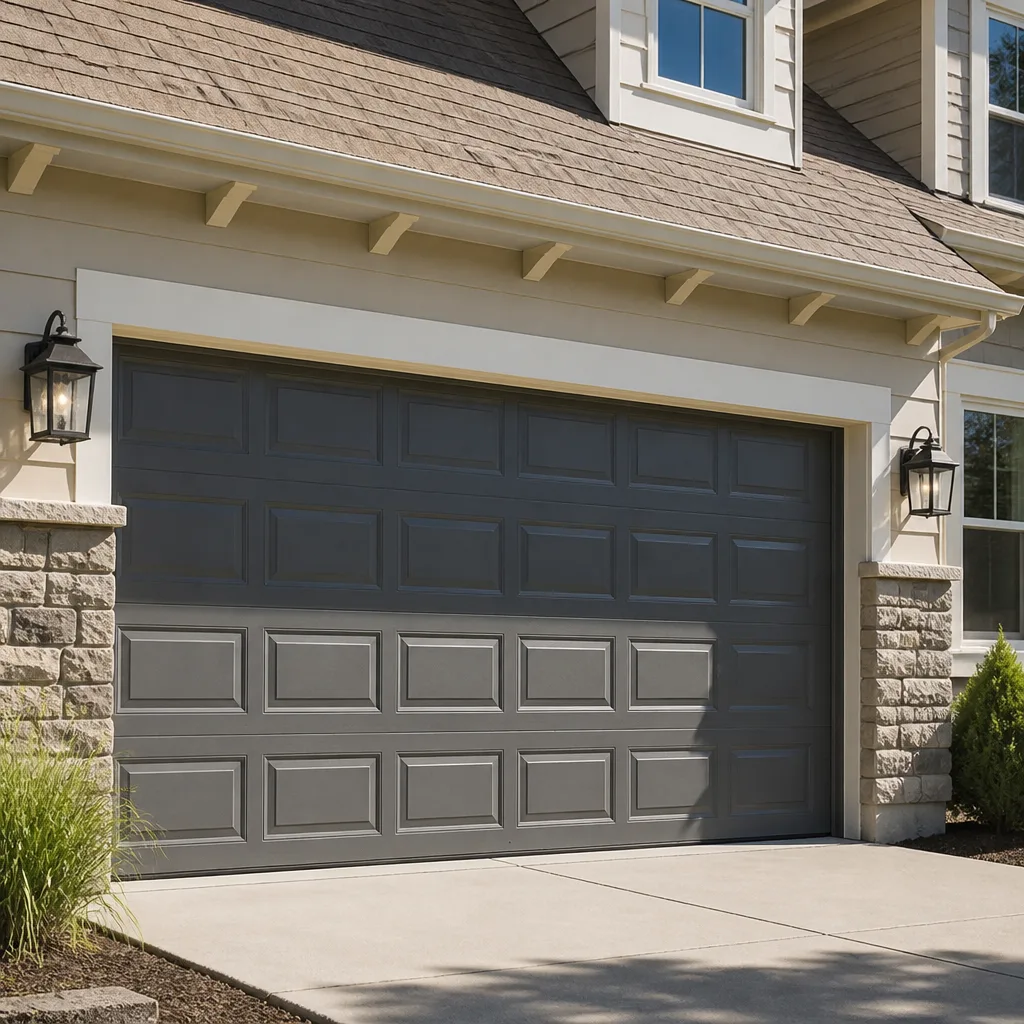 Raised-panel steel
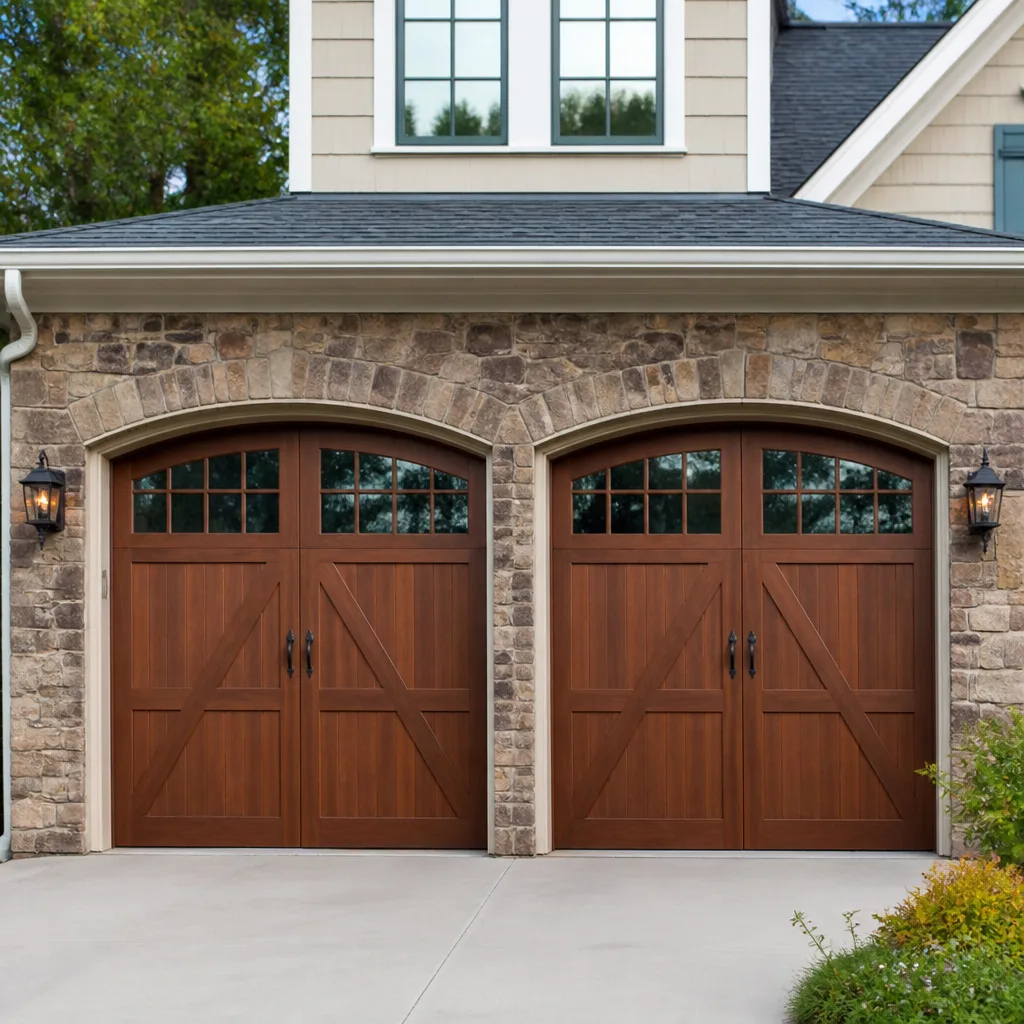 Carriage house
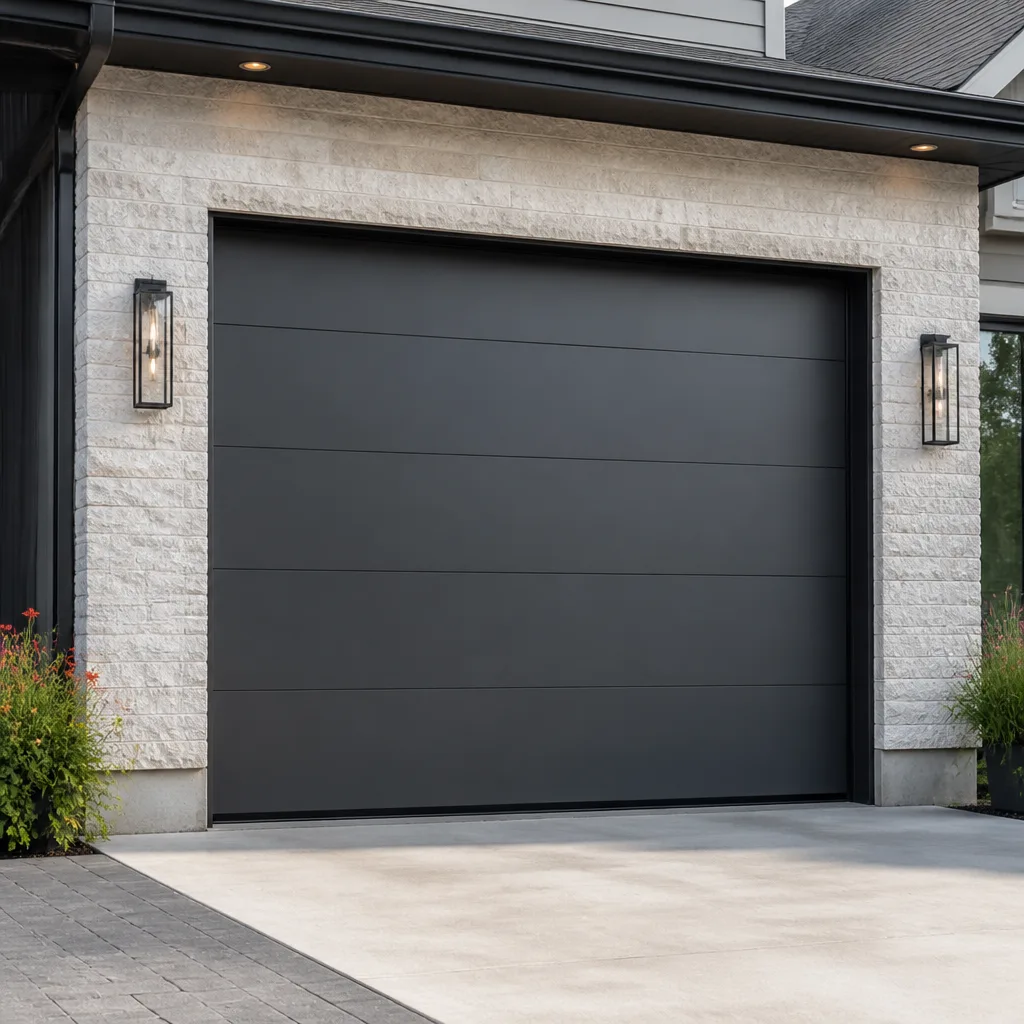 Modern flush
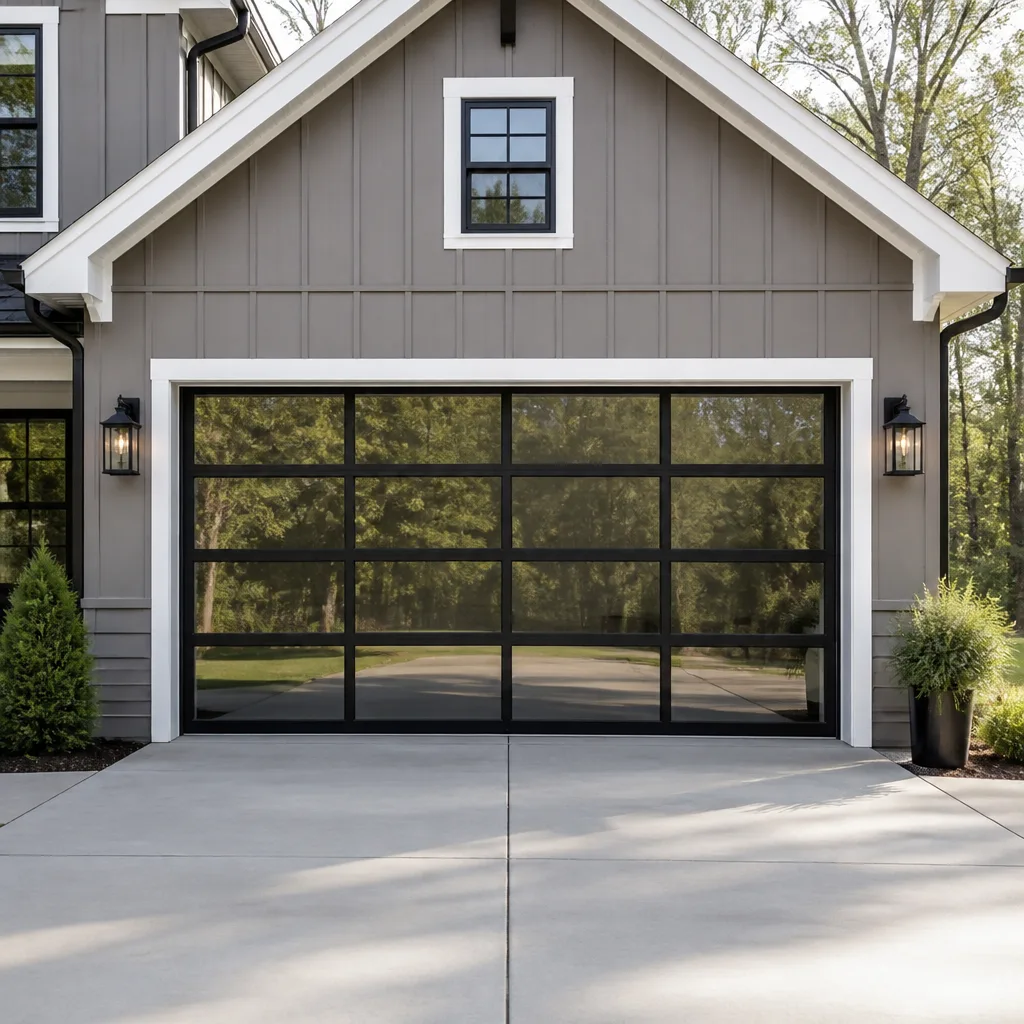 Full-view glass
 LiftMaster openers
 Chamberlain openers
Full 25-point door and opener safety check with every visit - springs, cables, rollers, tracks, and your LiftMaster or Chamberlain opener included
You get a price before we start. It does not change when the truck arrives.
Get your free estimateSeasonal Garage Door Care for San Antonio: Year-Round Homeowner’s Guide
San Antonio recorded seven days below 25°F in February 2021, and garage door service calls spiked 340% that week. The freeze didn’t cause those failures on its own. It exposed damage that had been accumulating quietly through the previous summer, when sustained heat had been drying grease, weakening adhesives, and stressing torsion springs that no one thought to inspect. This guide maps your garage door’s mechanical vulnerabilities onto San Antonio’s actual seasonal patterns, which don’t look anything like the four-season calendar most maintenance advice assumes. You’ll learn what to check before summer heat peaks, how to prep for the next freeze event, and which spring pollen problems cause more false service calls than any actual mechanical failure.
Styles & brands we work with
Quick Answer
In San Antonio, garage door maintenance works best on a two-window annual schedule: a pre-summer inspection in April or early May before sustained heat sets in, and a pre-freeze check in November before the first hard cold snap. The three components that fail most in this climate are torsion springs, opener logic boards, and bottom weatherstripping. A homeowner can handle visual inspections, lubrication, and photo-eye cleaning, but spring tension adjustments and opener circuit work should always go to a trained technician because of the injury risk involved.
Table of Contents
- San Antonio’s Real Climate Pattern: Two Stress Periods, Not Four Seasons
- Why San Antonio’s UV Index Ages Garage Doors Faster Than Warranty Schedules
- The Pre-Summer Inspection: Three Heat-Sensitive Components
- Freeze Preparation: The Temperature Threshold That Strains Your Opener
- Spring Pollen and Photo-Eye Sensors: The False-Reversal Problem
- Post-Hail Inspection: What Dents Mean for Panel Integrity
- Lubrication on a San Antonio Schedule: What to Use and What to Skip
- Common Mistakes to Avoid
- When to Call a Professional
- Frequently Asked Questions
- The Bottom Line
San Antonio’s Real Climate Pattern: Two Stress Periods, Not Four Seasons
Most garage door maintenance guides are written for places with real winters. They talk about fall tune-ups and spring refreshes as if the door faces equal stress year-round. San Antonio doesn’t work that way. We have two distinct stress periods that do the actual damage, and two maintenance windows that determine whether that damage gets caught early or turns into a repair call at the worst possible moment.
The first stress period runs May through September. Daytime highs above 95°F are routine, attic temperatures climb past 140°F, and the metal components inside your opener’s motor housing absorb that heat every single day. Torsion springs lose grease faster in sustained heat. The adhesive holding your bottom weatherstrip to the door softens and eventually releases. Circuit boards expand and contract repeatedly, which stresses solder joints over time.
The second stress period runs December through February. San Antonio’s freeze events are brief but sharp. In February 2021, temperatures dropped fast enough that garage door components which had been operating at 70°F or higher just days earlier were suddenly asked to function at 20°F. Metal contracts. Lubricants thicken. Rubber seals stiffen. Components that were already marginal from summer wear fail under the sudden shift.
This means the two maintenance windows that actually matter here are April to early May, before the heat settles in, and October to November, before the first freeze arrives. Homeowners who hit both windows reliably catch small problems before they become the kind of failures that spike during weather extremes across San Antonio neighborhoods from Alamo Heights to Stone Oak to Helotes.
Why San Antonio’s UV Index Ages Garage Doors Faster Than Warranty Schedules
San Antonio sits at the edge of the Texas Hill Country with a UV index that ranks among the highest in the state, routinely hitting 10 to 11 in summer months. Your garage door faces that radiation for hours every afternoon if it gets western or southern exposure. The manufacturers who write warranty schedules for door panels and weatherstripping base their timelines on national averages, not on South Texas conditions. A weatherstrip rated for five years in Ohio might show cracking and brittleness in three years in San Antonio.
Steel door panels hold up reasonably well, but the finish degrades faster here. We see more fading, more chalking, and more early clear-coat failure on doors in direct afternoon sun than in shaded lots or north-facing installations. The failure pattern is predictable: southwest-facing doors in neighborhoods like Alamo Ranch and Westover Hills, where afternoon sun is relentless, show finish wear years before a garage door on the same block that faces north.
The weatherstripping story is similar. The rubber or vinyl seal along the bottom of the door and the jamb seals on either side dry out, shrink, and crack under sustained UV exposure. Once they crack, they stop sealing. You lose conditioned air, you let in dust and pests, and in freeze events, those compromised seals let cold air reach components that should be sheltered.
What this means for a homeowner is simple: check your weatherstripping twice a year rather than once, and don’t assume a manufacturer’s stated lifespan applies to your actual sun exposure. If the bottom seal feels stiff rather than pliable when you press it with a thumbnail, it’s nearing the end of its useful life in this climate.
For doors with finish damage beyond simple fading, a full replacement often makes more sense than repainting. You can see what that involves on our Garage Door Installation in San Antonio page, including how we quote panel and full-door replacements for different sun exposures.
The Pre-Summer Inspection: Three Heat-Sensitive Components
Before San Antonio’s sustained heat arrives in May, we recommend a focused inspection of the three components that heat affects most directly. You don’t need specialized tools for most of this, and it takes under an hour. Here’s what to check, in priority order:
- The opener’s logic board. Remove the opener cover (with the unit unplugged) and look for discoloration, swollen capacitors, or a faint burnt-electronics smell. San Antonio garages routinely exceed 110°F in summer, and logic boards that bake for years eventually develop solder fractures. If your opener occasionally fails to respond to the remote on hot afternoons but works fine at night, heat is the likely culprit. This is not a DIY repair. Circuit board work on a garage door opener involves stored charge risk, and we handle opener diagnostics and replacement safely. See our Garage Door Repair in San Antonio page for how we quote opener work, always with a written price before anything starts.
- The bottom weatherstrip adhesive. Squat down and run your fingers along the bottom seal where it meets the aluminum retainer. On a healthy seal, the rubber is pliable and the adhesive bond is uniform. Heat-softened adhesive will show gaps or allow the strip to slide in the retainer. This is a cheap fix if caught early, usually $15 to $45 in parts, but once the rubber itself cracks from UV exposure, the fix becomes a full weatherstrip replacement.
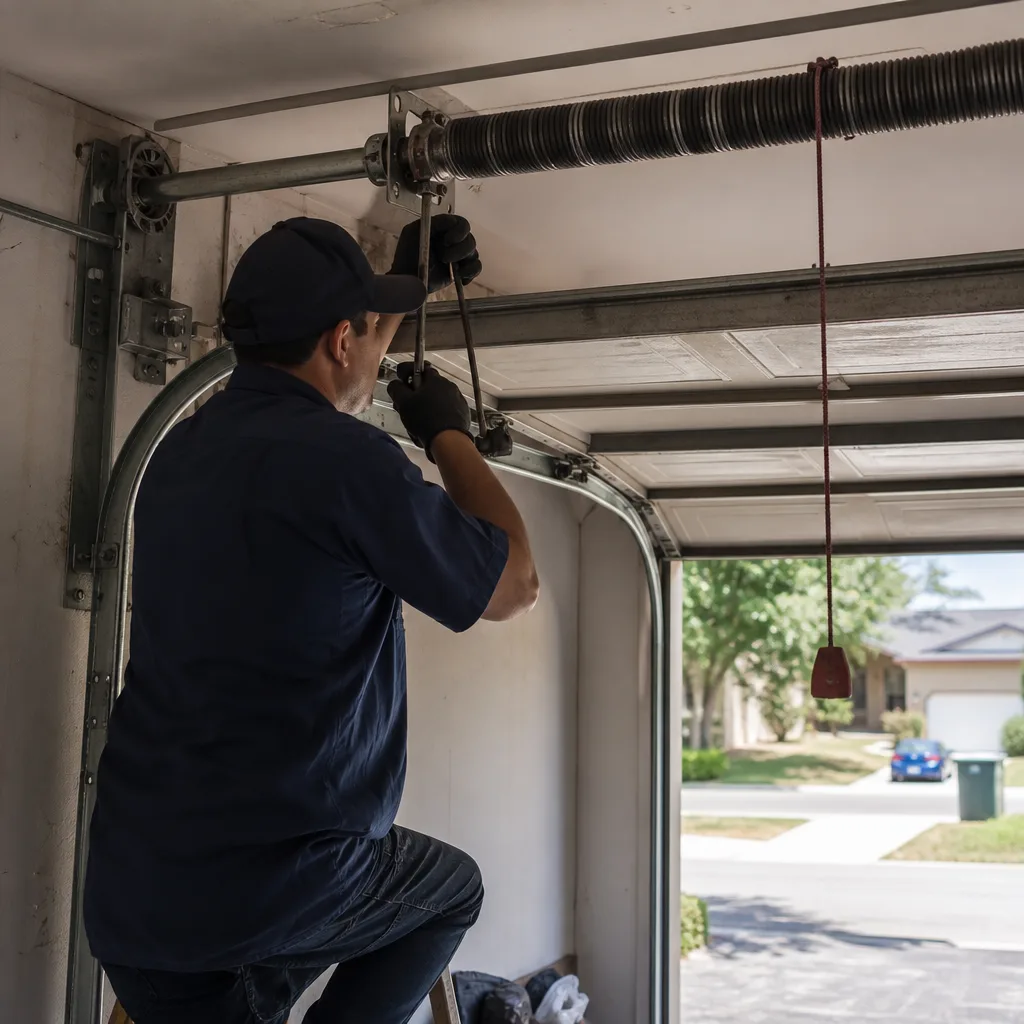
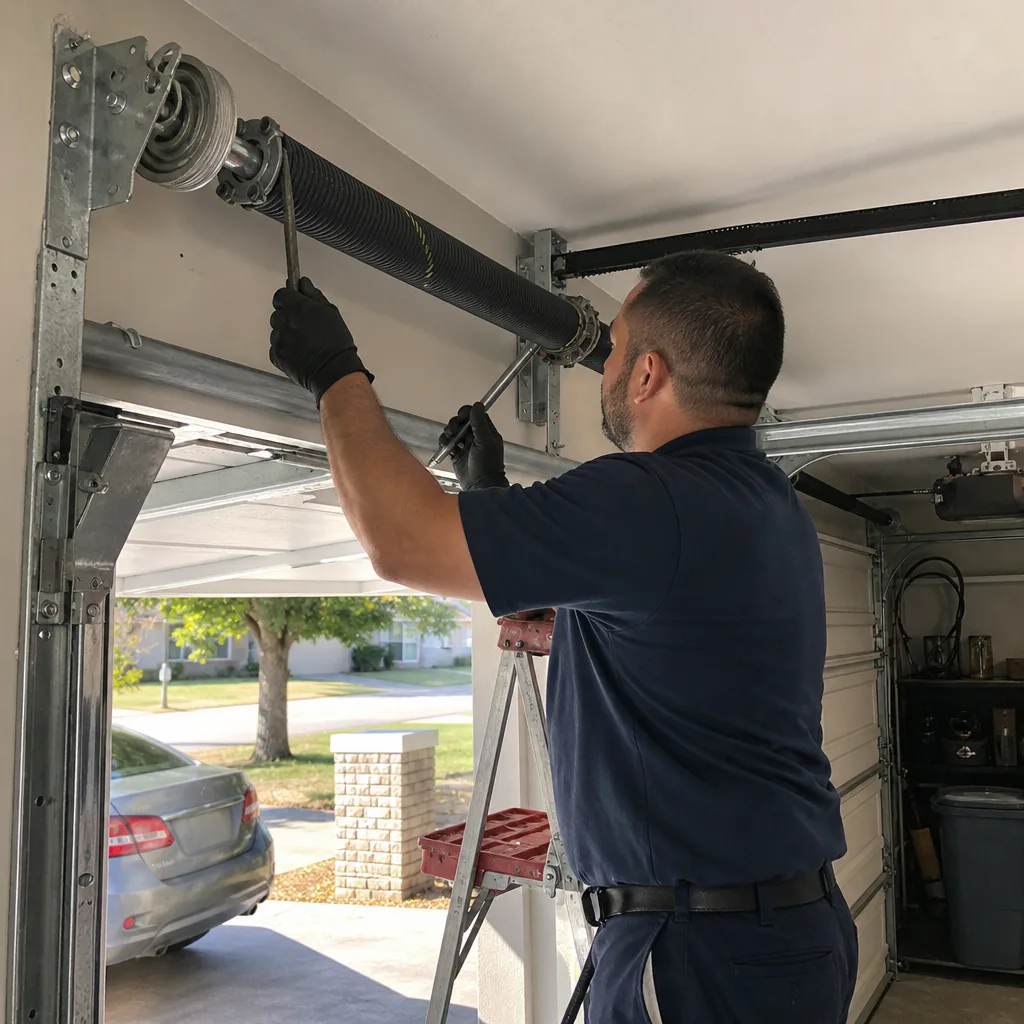
- The torsion spring grease. Look at the torsion spring above the door. If it looks dry, chalky, or shows surface rust, its lubricant has depleted. Springs that run dry generate friction heat beyond what ambient temperature already imposes, and friction is what shortens spring life. We talk about spring replacement costs and the signs of a spring near failure in detail because it’s the single most common service call we run in San Antonio, and our guide to Garage Door Spring Repair in San Antonio explains exactly what’s involved in a spring replacement visit.
These three checks catch roughly 80% of the failures we see during summer heat waves across San Antonio.
Freeze Preparation: The Temperature Threshold That Strains Your Opener
Standard garage door lubricants, the white lithium or silicone sprays you’ll find at any hardware store, begin thickening noticeably around 20°F. Below 15°F, some of them behave more like grease than lubricant. Your opener’s motor is sized to move a door at normal operating temperatures. When every pivot point and roller suddenly requires more force because the lubricant has thickened, the motor draws more current, runs hotter, and puts stress on the drive gear that accumulates over repeated freeze cycles.
This is why a garage door that opened fine in December may struggle or reverse during a January freeze event. The door didn’t fail. The system is working against thickened lubricant and stiffened seals.
Here’s how to prep before San Antonio’s first hard freeze arrives, which is typically between Thanksgiving and mid-December, though 2021 showed us that timing is never guaranteed:
- Re-lubricate in November with a low-temperature-rated lubricant. Look for products labeled for cold-weather or low-temperature use. These use thinner carrier oils that stay fluid at temperatures below freezing. A light application to rollers, hinges, and the spring is sufficient. Over-lubricating attracts dust and creates its own problems.
- Check the weatherstripping for gaps specifically along the bottom corners. Cold air enters where seals have curled or shrunk. The bottom corners are the first to fail because that’s where the seal changes direction and experiences the most flex.
- Test the opener’s force settings before the freeze hits. Disconnect the opener (pull the red release cord) and open the door manually. It should move smoothly through its full travel with consistent effort. If it binds or drags, the automatic opener will struggle far more when temperatures drop and lubricants thicken. A manual check in November catches what will become a 2 AM failure in January.
- Keep the area around the door track clear. Cold snaps often arrive with wind and debris. Leaves, landscape material, or tools leaning against a track create resistance points that freeze problems amplify.
If you do find yourself with a door that won’t open during a freeze event, the issue is usually either thickened lubricant on the track or a spring that was already near failure. Both are situations where a phone call beats troubleshooting in a cold garage. Fernbrook Garage Doors San Antonio answers the phone with a live person 24/7, and during freeze events we prioritize no-heat situations for families across San Antonio.
Spring Pollen and Photo-Eye Sensors: The False-Reversal Problem
Every March and April, San Antonio’s cedar elms and live oaks release pollen in quantities that blanket cars, patios, and yes, garage door photo-eye sensors. The photo eyes are the two small units mounted near the floor on either side of the door opening, each with a small lens. They project an invisible beam between them. When something interrupts that beam, the door refuses to close, or it reverses immediately, by design. That’s the safety system working.
Pollen clogs that lens. A fine layer of yellow dust scatters the beam enough that the sensor reads an obstruction that isn’t there. The door reverses for no apparent reason. The homeowner assumes something mechanical is wrong and calls for service. In our experience across San Antonio, pollen season drives more false-reversal calls than any actual mechanical failure throughout the entire year.
The fix is simple, takes 30 seconds, and costs nothing:
- Wipe both photo-eye lenses with a dry microfiber cloth once a week during March and April. Do not use a wet wipe. Water smears pollen into a film that scatters the beam worse. Dry buffing works best.
- Check the small indicator lights on the sensors. Most brands include an LED that shows green or solid when the beam is aligned and the lens is clean. A flickering or red light usually means a blocked or dirty lens.
- If the door still reverses after cleaning, look for pollen accumulation inside the sensor housing itself. A can of compressed air, the kind sold for keyboards, clears dust from where a cloth can’t reach.
Photo eyes are brand-specific, and the same technique applies across LiftMaster, Genie, and other major brands. If cleaning doesn’t resolve the reversal, the problem may be alignment or a failing sensor, and that’s a straightforward service visit. We’re trained on eight major brands including LiftMaster, Chamberlain, Genie, and Craftsman, so the fix typically happens on the first visit rather than the third.
While you’re dealing with spring pollen, this is also a good moment to revisit your full annual spring checklist. The foundational guide on our Fernbrook Garage Doors San Antonio home page covers the basics that apply year-round here.
Post-Hail Inspection: What Dents Mean for Panel Integrity
San Antonio sits in a hail corridor that runs along the I-35 corridor from the Hill Country through the Metroplex. Spring supercells roll through every few years, and garage doors are the largest exposed surface on most homes. After a hailstorm, the calls we get fall into two categories: doors with cosmetic dents that worry homeowners, and doors with structural damage that homeowners assume is fine. The gap between those two categories is where mistakes happen.
Here’s how to assess your door after a hail event:
- Count the dents per panel. A few shallow dents on a single panel are cosmetic. They don’t affect the door’s operation, and they don’t threaten the panel’s structural role. Steel panels are stamped with ribs for rigidity, and shallow dents between ribs do not compromise that strength. If the dents bother you visually, panel replacement is an option, but it’s a cosmetic decision, not a safety one.
- Look for dents on the panel stiffeners themselves. This is what matters. The horizontal steel stiffeners that run across the back of each panel carry the door’s weight when it’s open. A hail strike that dents or bends a stiffener changes how the panel distributes load. Over time, a buckled stiffener causes the panel to bow under its own weight, which leads to the door binding in the track and uneven wear on rollers and hinges. This is a repair, not a cosmetic question.
- Check the weatherstripping for impact tears. Hail that hits the bottom seal or the jamb seals at speed can cut or split the rubber even when the panels show little damage. A split seal won’t close out rain, dust, or pests, and San Antonio’s spring storms will send all three.
- Run the door through a full open-close cycle. Listen for new sounds: grinding, popping, scraping. An impact that shifted a roller or knocked a hinge slightly out of alignment translates into noise and uneven movement. A door that sounds different after hail needs a professional look even if the panels show no visible damage.
If you’re uncertain about what you’re seeing, call us. We’ll give you a written price before any work starts, and if the damage is cosmetic and the door operates fine, we’ll tell you that too. We’d rather build a relationship with a San Antonio homeowner who knows we gave an honest answer than sell a panel replacement that wasn’t needed.
Lubrication on a San Antonio Schedule: What to Use and What to Skip
Lubrication is the one maintenance task every homeowner can do, and it’s also the one most people do wrong. In San Antonio’s climate, the schedule matters as much as the product. Heat accelerates lubricant breakdown, and freeze events punish depleted lubricant harder than mild climates do.
What the door needs, in order of importance:
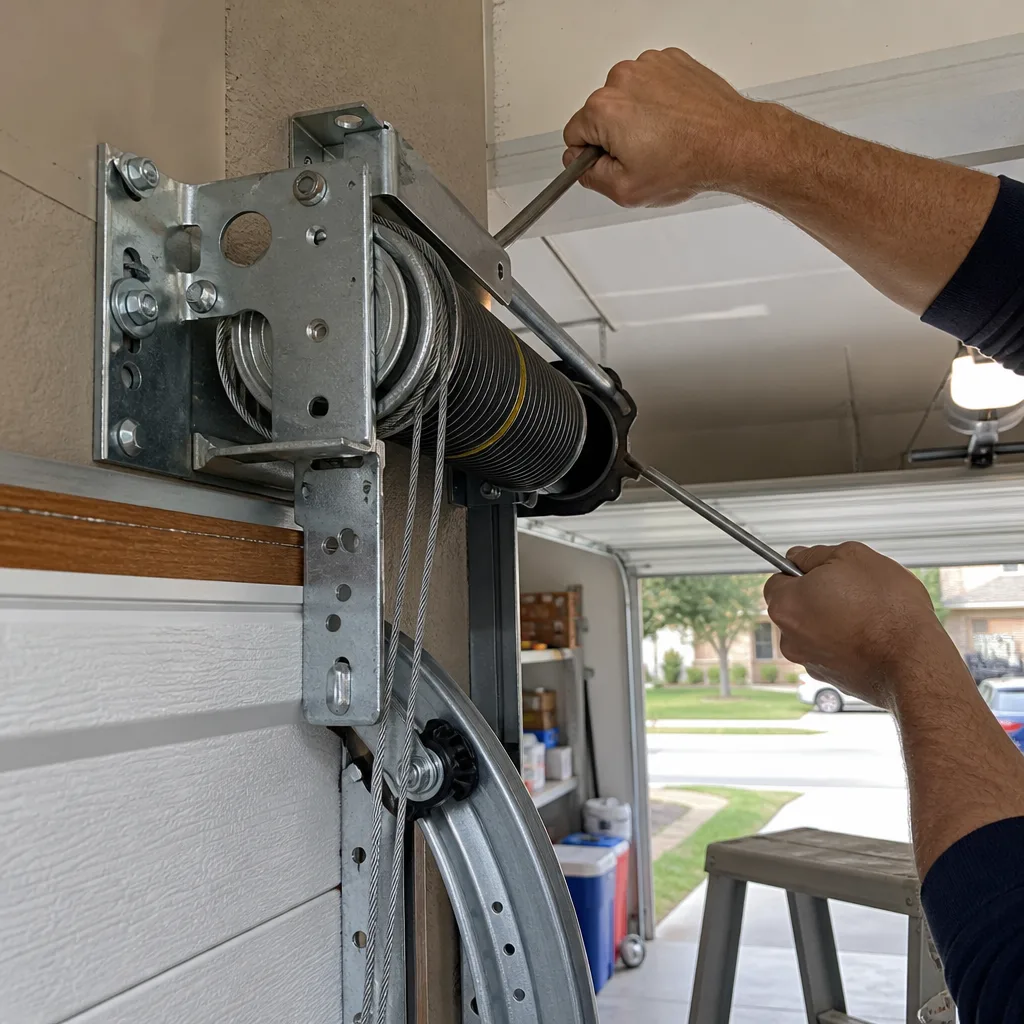
- Torsion spring. This is the component that benefits most from lubrication. A properly lubricated spring runs cooler, cycles more quietly, and lasts longer. Apply a thin coat of spray lubricant along the full length of the spring, but do not touch the spring or the winding cones with your hands. Torsion springs are under constant tension, and they are dangerous. We tell San Antonio homeowners the same thing every time this comes up: lubricating a spring is fine from a distance. Adjusting, replacing, or touching a spring is not a DIY job, ever. When a spring fails, call a professional. Our Garage Door Spring Repair in San Antonio service handles spring replacement in a single visit with a written price before any work starts.
- Rollers. Nylon rollers with sealed bearings need no lubrication. Steel rollers with exposed bearings benefit from a light application on the bearing area, not on the wheel surface that rides the track. If your rollers are original steel and show flat spots, replacement makes more sense than lubricating worn metal.
- Hinges and pivot points. A light application at each hinge joint keeps the door from sounding like it’s working too hard. Less is more. Excess lubricant runs, drips onto the door face, and attracts dust that builds into grime.
- The opener rail. Chain-drive openers need rail lubrication. Belt-drive and screw-drive openers do not, and lubricating them causes problems rather than preventing them. Check your opener type before you spray anything.
What to skip: WD-40 as a primary lubricant. It’s a water displacer and cleaner, not a long-term garage door lubricant. It strips heavier grease without replacing it with adequate protection. Use a dedicated garage door lubricant, ideally one rated for low-temperature performance for the reasons discussed in the freeze prep section above. For families with pets, note that many common garage lubricants are not safe for animal contact. If your dog spends time in the garage, we use pet-safe products where a choice exists, and we’re happy to tell you which products we’re applying during any service visit.
Common Mistakes to Avoid
- Following a northern-climate maintenance calendar. Advice written for Minnesota or Ohio tells you to do major maintenance in September and March. In San Antonio, those windows put your inspection right before the two mildest stretches of the year. May and November are the months that matter here.
- Ignoring the manual disconnect test. Pulling the red release cord and opening the door by hand tells you more about spring and track health than any visual inspection. Doors that are hard to open manually are telling you something’s wrong before the opener fails.
- Lubricating a belt-drive opener rail. Belt-drive openers from LiftMaster, Chamberlain, and others are engineered to run dry. Adding lubricant attracts dust and causes belt slippage. Check your opener type before you spray.
- Cleaning photo-eye lenses with wet wipes. Water and pollen create a film that scatters the beam worse than the pollen alone. Dry buff with a microfiber cloth works every time.
- Assuming hail dents are always cosmetic or always structural. Most homeowners assume one or the other. The truth is specific: dents between panel ribs are usually cosmetic, dents on the stiffeners behind the panel are usually structural. The distinction determines whether you need repair or just a decision about appearance.
- Replacing a weatherstrip without checking the retainer. The bottom weatherstrip slides into an aluminum retainer attached to the door. If the retainer is bent or corroded, a new strip won’t seal properly, and you’ll be replacing it again within months. Check the retainer, not just the rubber.
- Treating a reversing door as an opener problem without checking the photo eyes first. In San Antonio’s pollen season, most reversal issues are dirty sensors. Thirty seconds with a dry cloth resolves the majority before any service call is needed.
When to Call a Professional
Call a professional when the problem involves spring tension, opener circuit boards, or structural panel damage. These are genuinely dangerous components. Torsion springs are under hundreds of pounds of tension, and a spring that lets go can cause serious injury. Opener logic boards hold stored electrical charge. A buckled panel stiffener can cause a door to bind and fall off its track. None of these are weekend projects.
A professional is also the right call when a door doesn’t respond to adjustments you understand, or when new noises accompany normal operation. Grinding, popping, or sudden jerky movement indicates wear that visual inspection won’t catch. Fernbrook Garage Doors San Antonio offers free estimates throughout the San Antonio area, and every visit includes a written price before any work begins. Call (806) 602-8374 and a live person answers, 24 hours a day, seven days a week.
Frequently Asked Questions
Twice a year, once in April or early May before sustained heat sets in, and once in November before the first freeze threat arrives. These two windows align with San Antonio’s actual stress periods and catch the failures that lead to mid-summer and mid-freeze service calls. A visual inspection, lubrication, and a manual operation test at each window covers the essentials.
Standard garage door lubricants begin thickening noticeably around 20°F, and below 15°F some perform more like grease than oil. This increases the force required to move the door, which strains the opener motor and drive gear. Re-lubricating in November with a low-temperature-rated product mitigates this.
Yes. Garage temperatures in San Antonio routinely exceed 110°F in the summer, and that sustained heat stresses the opener’s logic board through repeated expansion and contraction cycles. Failures typically show up as intermittent operation on hot afternoons that resolves at night. That’s a heat-related circuit problem, not a remote battery issue.
Most likely, pollen from San Antonio’s cedar elms and live oaks has coated the photo-eye sensor lenses, scattering the safety beam enough that the system reads an obstruction. Clean both lenses with a dry microfiber cloth weekly during March and April. If the issue persists after cleaning, check for sensor misalignment or a failing sensor.
A homeowner who handles visual inspections, photo-eye cleaning, and basic lubrication spends $15 to $45 annually on lubricant and minor parts like weatherstrip adhesive. A professional tune-up visit in San Antonio typically runs $85 to $150, and Fernbrook always provides a written price before any work starts. Call (806) 602-8374 for a free estimate specific to your door and opener.
No, and we say this not to sell a service but because torsion springs are genuinely dangerous. They are wound under hundreds of pounds of tension, and the winding process requires specific tools and training. A mistake can cause serious injury. Replacing a torsion spring is one of the few garage door tasks where every experienced professional will tell you the same thing: don’t. Call a trained technician, and call us at (806) 602-8374 if you’re in the San Antonio area. We quote spring replacement with a written price before the work begins and stand behind it with the 365-Day Done Right Promise.
The Bottom Line
San Antonio’s garage doors don’t fail on a national calendar. They fail when summer heat has done its quiet work and a freeze or a hail event asks the components for more than they can give. The homeowners who avoid emergency calls are the ones who inspect in May and November, clean photo eyes during pollen season, check weatherstripping after hail, and respect the danger of torsion springs. That’s the whole system. You can handle most of it yourself in under an hour per season, and when something exceeds your comfort level, a written-price quote from a skilled technician beats guessing. For everything from seasonal tune-ups to full replacement, Garage Door Repair in San Antonio professionals are available 24/7.
Written by Jesse Calder, Owner at Fernbrook Garage Doors San Antonio, serving San Antonio since 2002.
See the difference
 Before
 After
After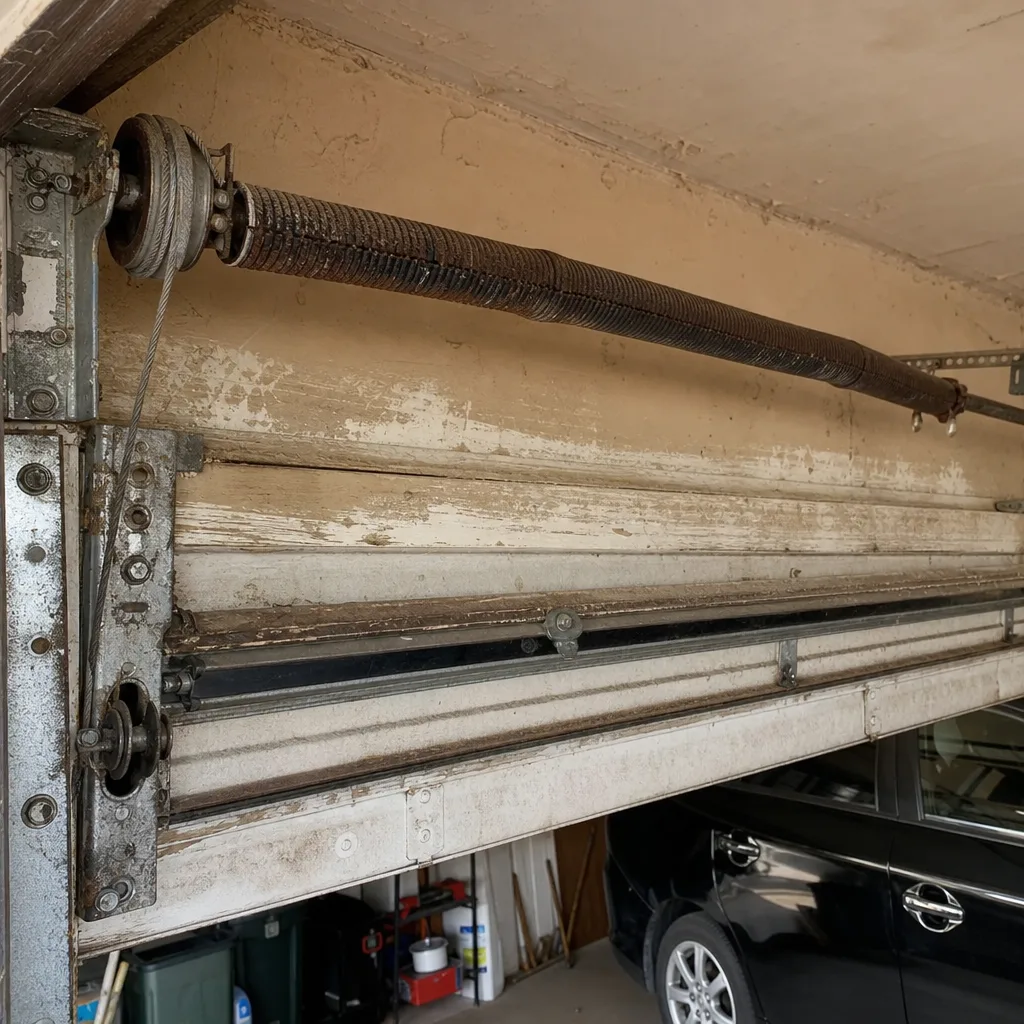 Before
 After
After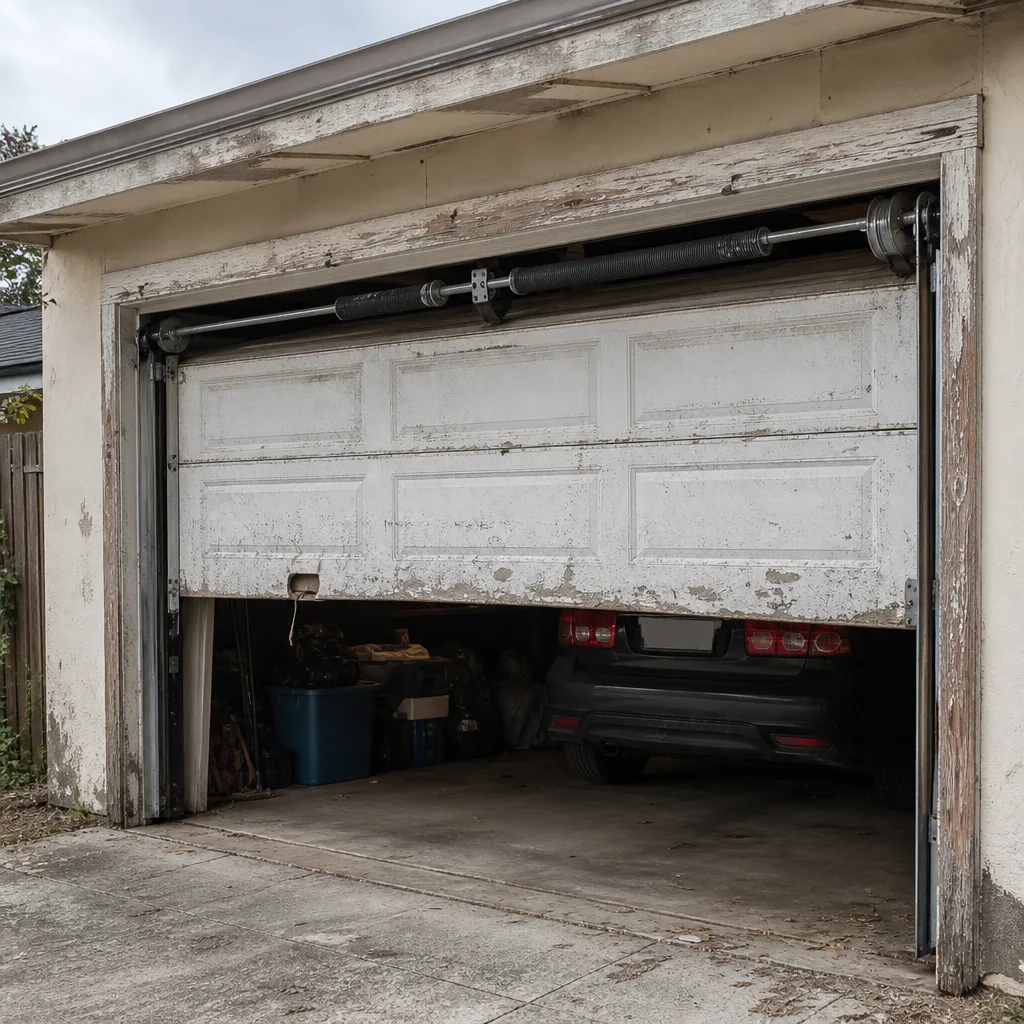 Before
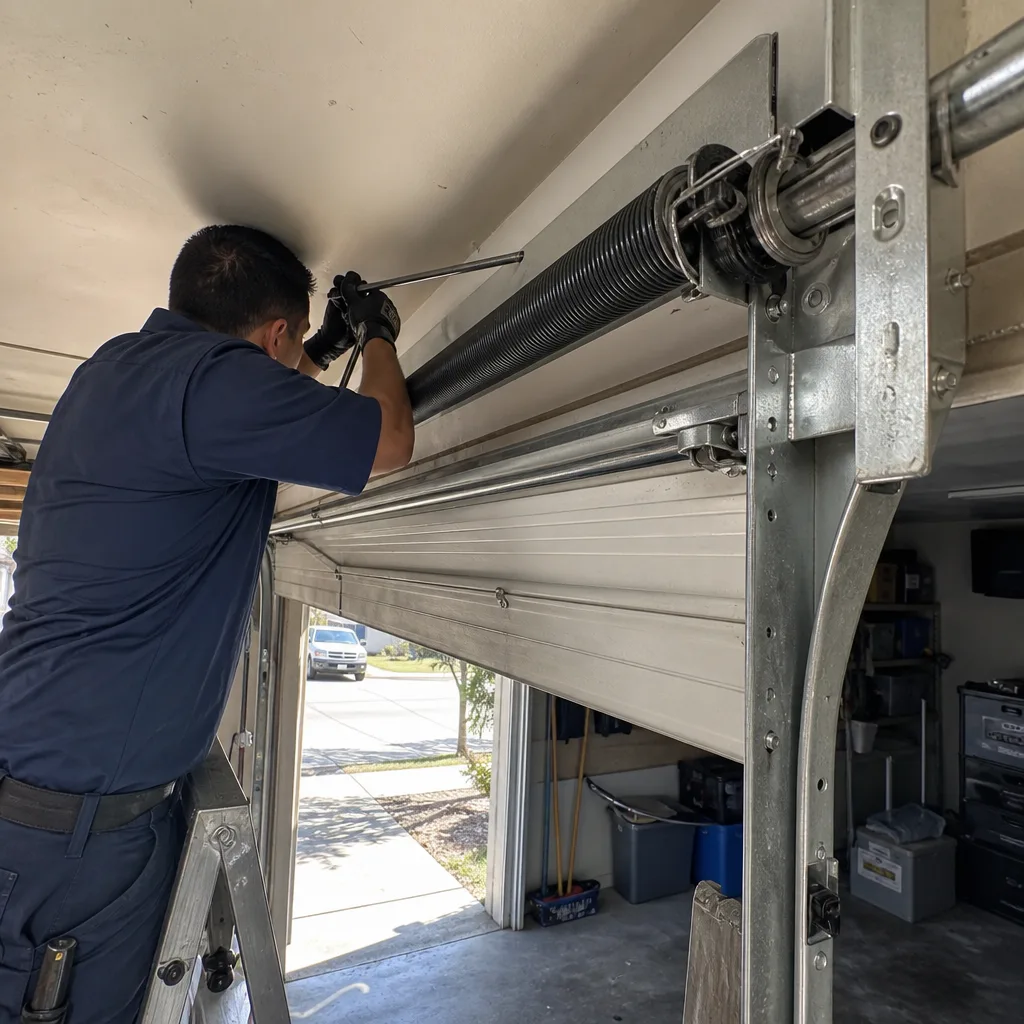 After
After