
Last updated October 17, 2026
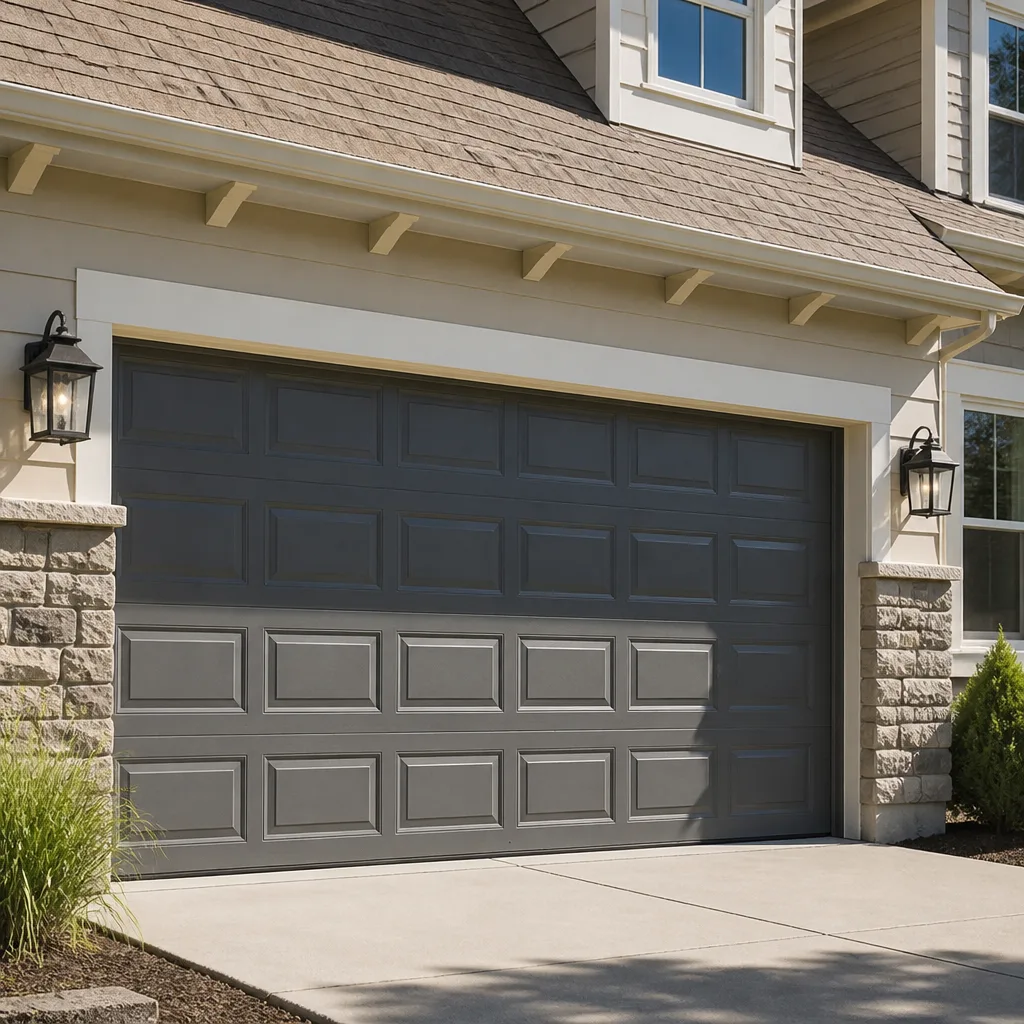 Raised-panel steel
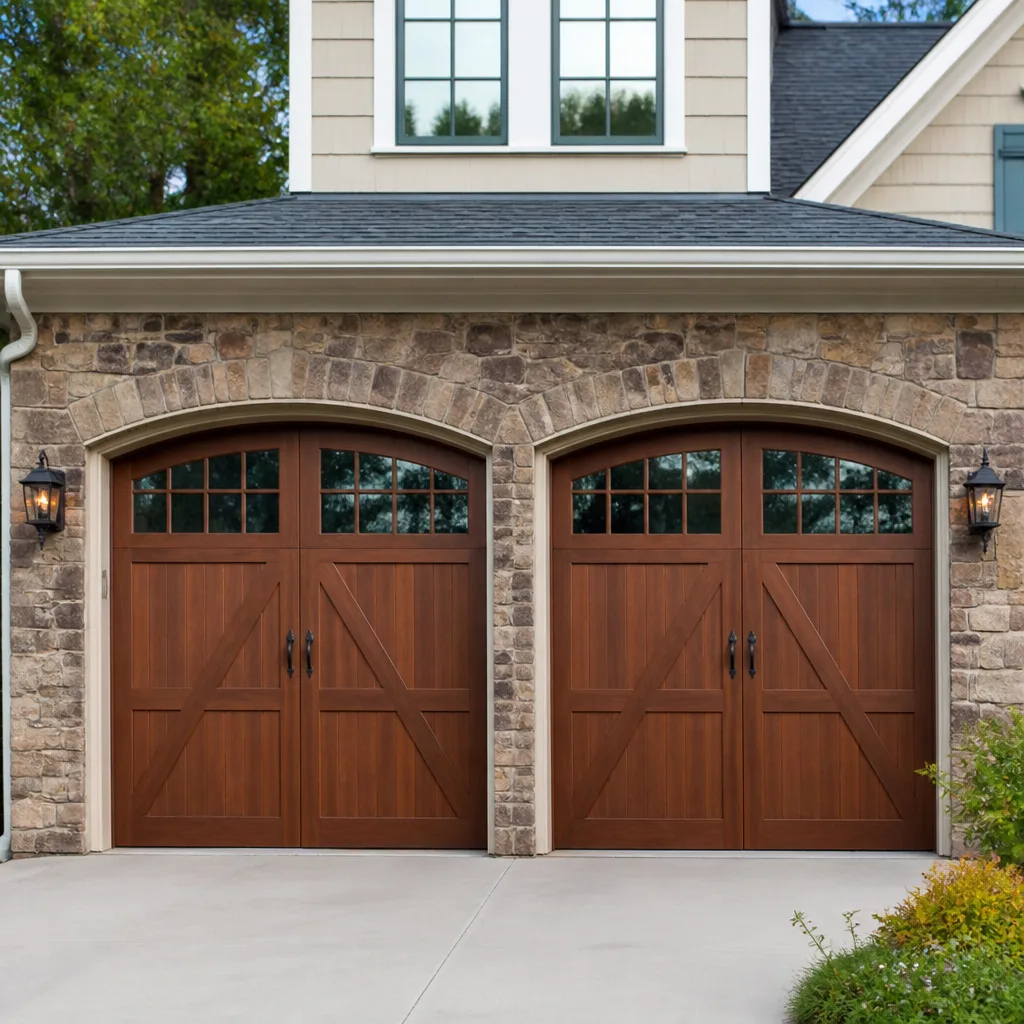 Carriage house
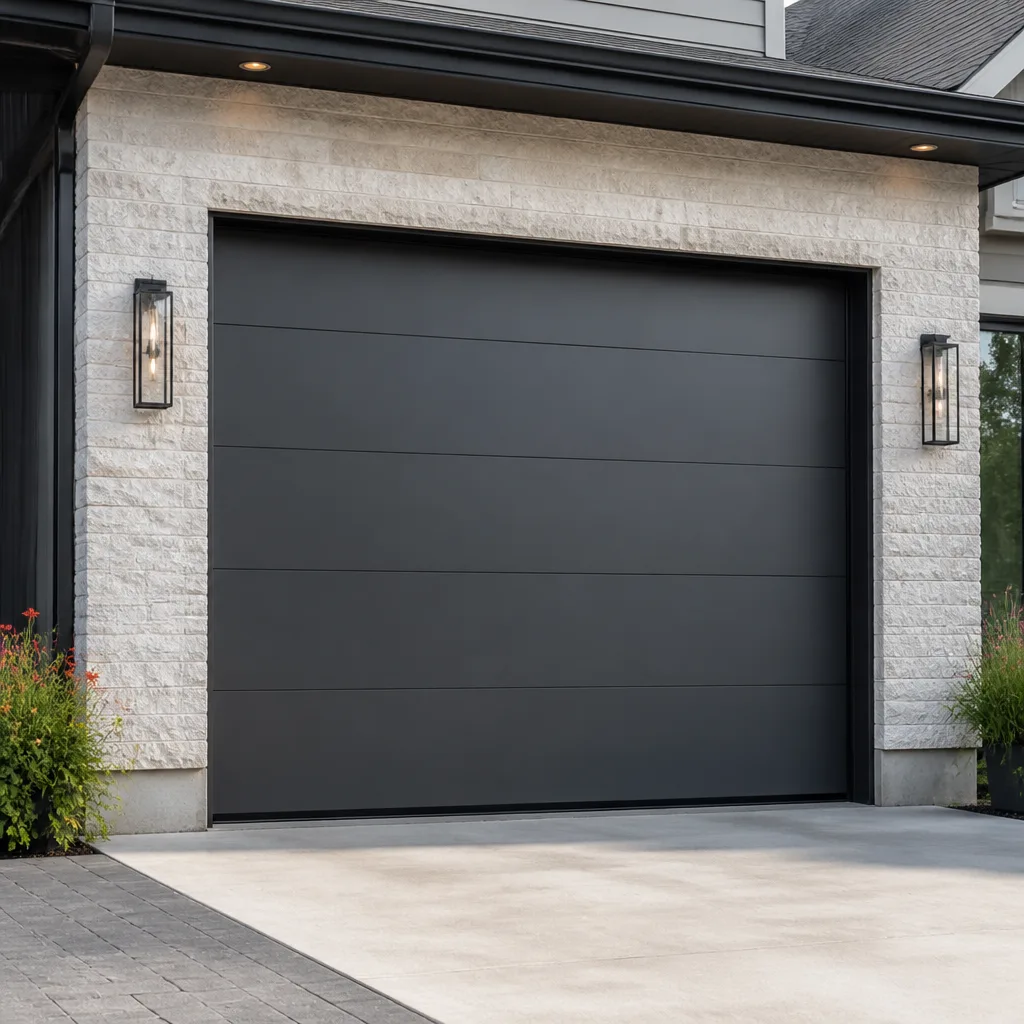 Modern flush
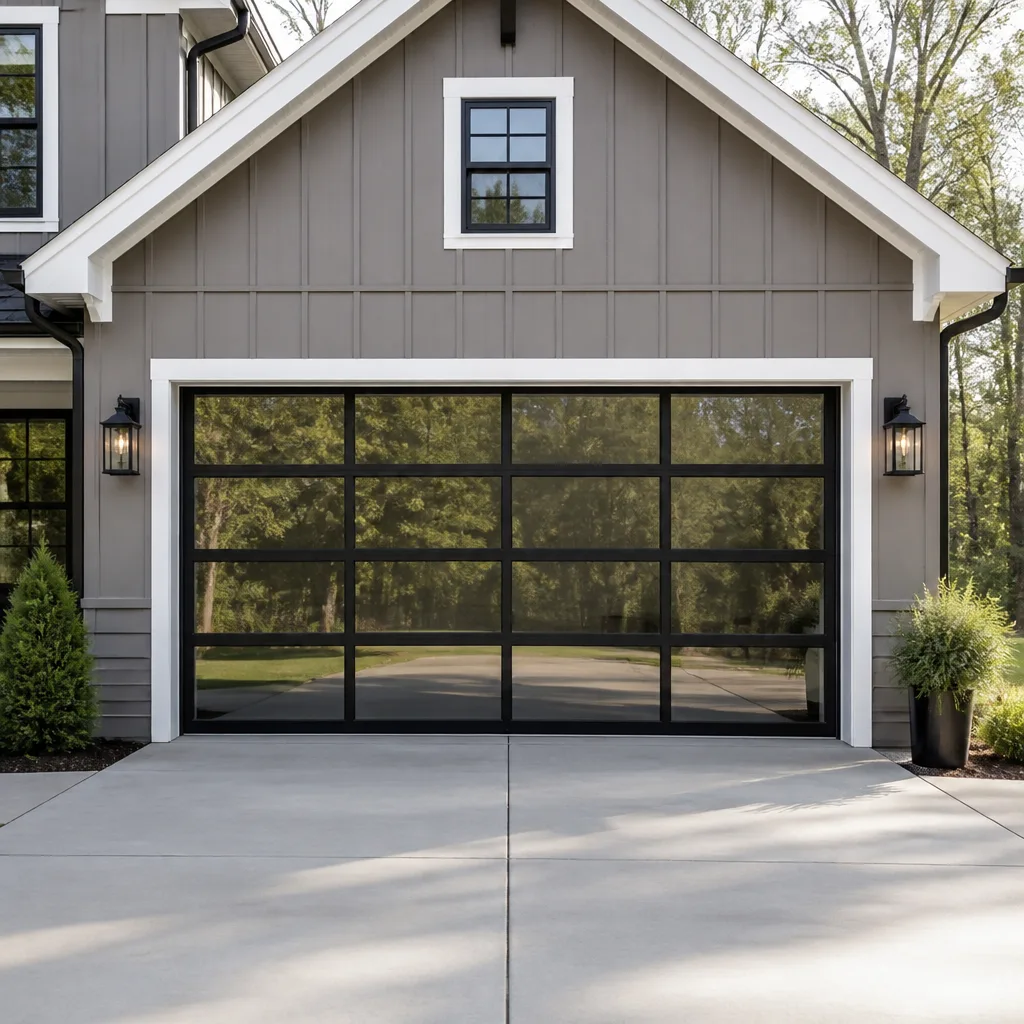 Full-view glass
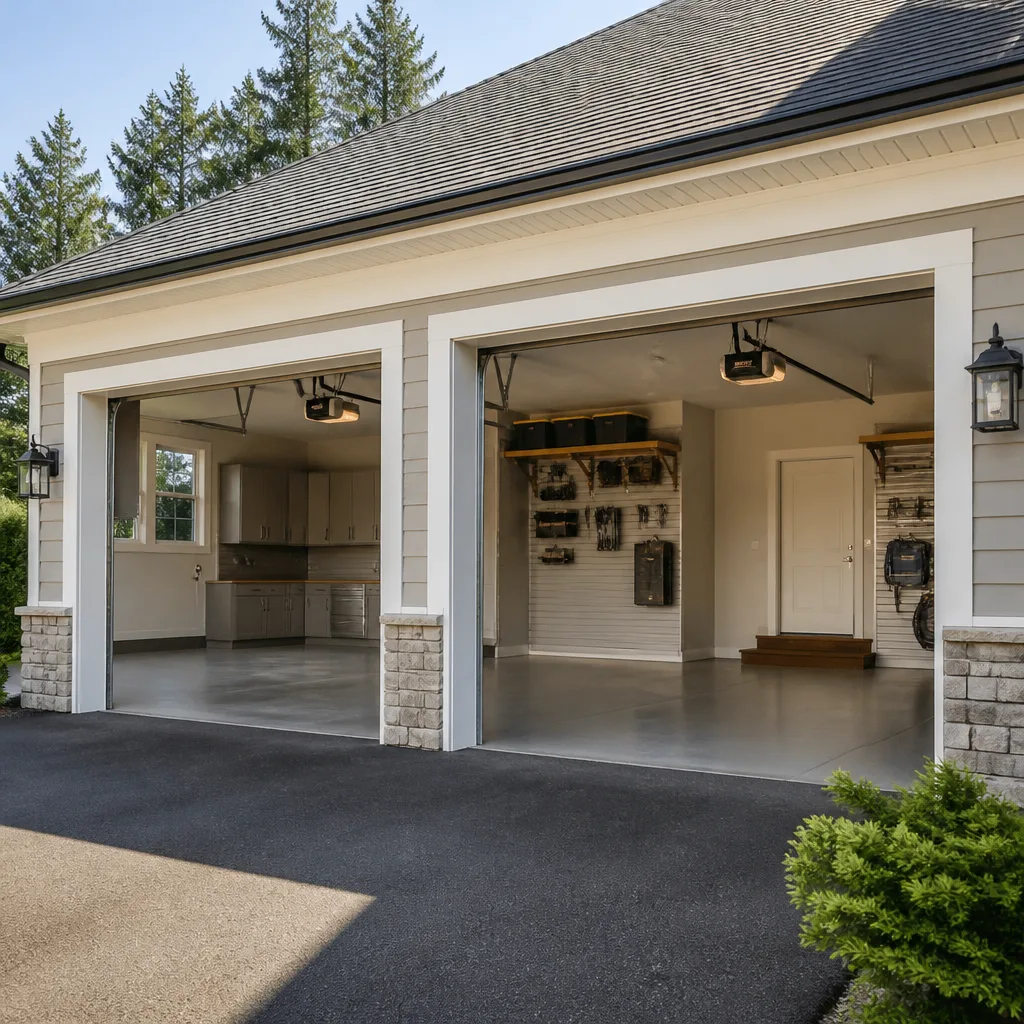 LiftMaster openers
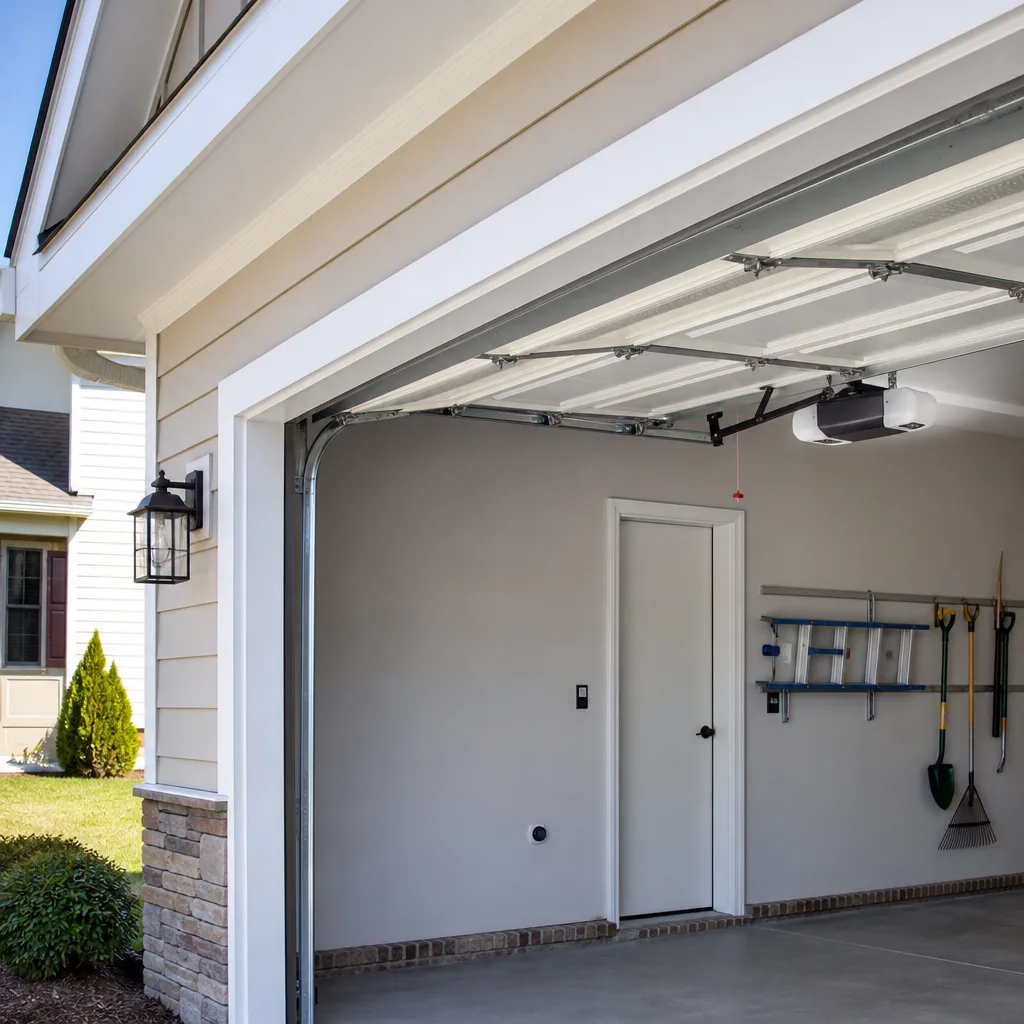 Chamberlain openers
Full 25-point door and opener safety check with every visit - springs, cables, rollers, tracks, and your LiftMaster or Chamberlain opener included
You get a price before we start. It does not change when the truck arrives.
Get your free estimateGarage Door Warning Signs: A San Antonio Homeowner’s Reference Guide
Every garage door in San Antonio tells you what’s wrong with it before it quits. The grinding you hear on a Tuesday morning isn’t random noise. It’s a worn roller scraping against a metal track. The hesitation when the door climbs the last six inches isn’t a quirk. It’s a spring losing the tension it needs to do its job. This guide-along with our The Complete Guide to Garage Door in San Antonio-teaches you to read those signals the way a technician does, so you can catch a $12 roller before it tears up a $180 track, and a $95 adjustment before it becomes a $400 emergency call. By the end, you’ll know what your garage door has been trying to tell you, and exactly when that message means “call someone today” versus “keep an eye on it.”
Styles & brands we work with
Quick Answer
Garage door warning signs in San Antonio fall into four categories: unusual sounds (grinding, scraping, popping), visual irregularities (sagging, gaps, crooked alignment), unusual movements (jerking, hesitation, reversal), and weather-related seal failures (bubbling, shrinkage, staining). Most early-stage problems cost between $12 and $95 to fix if caught within the first two weeks they appear. The average complete spring failure in the San Antonio market runs $280 to $340 and almost always follows at least a week of observable warning signs.
Table of Contents
- The Sound of Trouble: Diagnosing Your Door by Ear
- The Visual Gap Check: 1/8 Inch vs. 1/2 Inch
- Reading Your Opener’s Blinking Lights and Hesitations
- Weatherstripping: What San Antonio Heat and Humidity Do to Your Seals
- Telling Normal Spring Aging from Snap Risk
- Why the Price Should Be Written Before the Work
- Common Mistakes to Avoid
- When to Call a Professional
- Frequently Asked Questions
- The Bottom Line
The Sound of Trouble: Diagnosing Your Door by Ear
Three distinct sounds account for most garage door complaints in San Antonio, and each one points to a specific component. Learning to tell them apart is the difference between a $25 part replacement and a $400 repair that includes a bent track or a stripped gear set.
The scrape (metal on metal, rhythmic, follows the door’s travel): This is almost always a roller. Garage door rollers have ball bearings inside a steel or nylon shell. When the bearing wears out, the roller stops rolling and starts sliding against the track. The sound is a rhythmic metal-on-metal scrape that speeds up and slows down with the door’s movement. Left alone, a seized roller becomes a flat-spotted roller, and a flat-spotted roller carves a groove into the track. Fixing the roller costs $12 to $25. Replacing a grooved track runs $150 to $250 per section.
The pop (sharp, sudden, usually once, often on a cold morning): In our experience across San Antonio neighborhoods from Alamo Heights to Stone Oak, a single sharp pop from the spring assembly is the sound of a coil catching and releasing. It doesn’t always mean failure, but it means the spring has developed a flat spot or uneven tension. When you hear one pop, the spring deserves a visual inspection. When you hear two pops in the same week, stop using the door and call. A spring that pops repeatedly is redistributing tension in ways the winding cone was never designed to handle.
The grind (a rough, mechanical crunch, often accompanied by the door jumping in small increments): This is the sound of a gear stripping. On Chamberlain and LiftMaster openers, a plastic drive gear sits between the motor and the chain or belt. When the gear teeth shear, the door moves in stuttering jerks and the motor runs while the door barely responds. The gear itself is a $30 part, but if the gear failure has gone on long enough to wallow out the shaft it rides on, you’re looking at replacing the entire opener head at $350 to $550 installed. Catch the grind early, and the fix is a same-day part swap. Ignore it for a month, and the price triples.
The Visual Gap Check: 1/8 Inch vs. 1/2 Inch
Every garage door sits in a track with a tolerance of about 1/8 inch. That’s not a random number. It’s the clearance between the roller stem and the track wall, and it leaves just enough room for the door to travel smoothly without binding. When a door has shifted off its track by 1/8 inch, you’ll see a slightly uneven gap between the door and the frame on one side. That’s an adjustment. When the gap reaches 1/2 inch, the roller can jump the track entirely, and the door can drop.
Here’s how to read what you’re seeing:
- Stand inside the garage, door closed, and look at the gap between the door edge and the weatherstripping. Is it even on both sides? A difference of 1/8 to 1/4 inch from one side to the other usually means a cable has stretched or a bracket has shifted.
- Trace the track with your eyes from floor to ceiling. Look for a spot where the gap between the roller wheel and the track widens or narrows. That’s your shifted point.
- Check the bottom of the door while it’s halfway open. If one corner sits visibly lower than the other, a spring has lost tension on that side. This is not a balancing issue you can fix by tightening a nut.
- Put your hand flat on the door panel at eye level and push side to side, gently. A door that moves more than 1/2 inch laterally either has a broken roller or has come off its track mounting. Do not operate the door in this condition.
In San Antonio’s heat, thermal expansion can cause temporary misalignment that corrects itself at night. But if the gap is visible at 9 a.m. and still visible at 9 p.m., it’s not the weather. It’s mechanical wear. The question is whether you’ve caught it at adjustment stage or at failure stage. An adjustment visit runs $85 to $120 in most San Antonio zip codes. A door pulled partially off its tracks can cost $300 to $500, and if the door comes down on a car or a person, the cost stops being measured in dollars.
Reading Your Opener’s Blinking Lights and Hesitations
Garage door openers have a diagnostic language built in, and most San Antonio homeowners never learn to read it. The two most common opener brands in this market communicate through light patterns and travel behaviors that are specific enough to diagnose a fault before a technician ever arrives.
LiftMaster and Chamberlain: These brands use the round LED status light on the back of the motor unit. One blink before a pause, repeated in a cycle, indicates a sensor issue. Two blinks mean the door is encountering resistance and reversing. Four blinks is the sensor wire. Five blinks signifies the logic board has detected a motor RPM mismatch. Here’s what matters: if your LiftMaster or Chamberlain opener reverses before hitting the floor and the LED blinks two times in a row, the door’s force settings have drifted or the travel limits need re-setting. That’s a service call with no parts cost. If the door opens three inches and stops, then the light blinks five times, the logic board is reading a failing motor sensor and likely needs replacement.
Genie and Craftsman: Genie openers use the long light tube above the motor. A single solid flash means the safety beam is blocked or misaligned. Two flashes indicate the door contacted an obstruction. Three flashes represent a limit switch fault. Craftsman openers, which share internal components with Chamberlain in most model years, use a sequence of clicks: one click, pause, one click usually means sensor misalignment, while one click followed by two rapid clicks points at the RPM sensor. In our experience, San Antonio homes with Craftsman openers from the 2004-2012 era have a higher rate of sensor faults than newer models, purely due to age.
One behavior pattern overrides all of these codes: if the door opens but then immediately reverses and closes, and the light blinks in any consistent pattern, do not adjust the force dial. That dial exists to compensate for a door that’s gotten harder to move, which is the mechanical equivalent of turning up the car radio to drown out an engine knock. The right fix is finding out why the door is hard to move, not teaching the opener to push through it.
Weatherstripping: What San Antonio Heat and Humidity Do to Your Seals
The bottom seal on a San Antonio garage door lives a hard life. Summer temperatures exceed 100°F regularly, and a west-facing door in neighborhoods like Helotes or Castroville can hit 140°F at the panel surface by 4 p.m. That’s hot enough to accelerate the breakdown of rubber and vinyl compounds that would last 15 years in a milder climate. Here’s what we see on doors across San Antonio.
Bubbling: When the rubber or vinyl bottom seal develops small blisters, the compound is breaking down from repeated heat cycling. Bubbling means the seal has lost its shape memory. It will still look intact from a distance, but gaps form underneath the blisters where the seal no longer contacts the concrete. Those gaps let in hot air, rainwater, and more pest activity than San Antonio homeowners want to think about.
Shrinkage gaps: Rubber shrinks when the plasticizers bake out. A bottom seal that started at exactly the width of the door will pull in from each corner over time. Gaps of 1 inch at either end are common after five to seven San Antonio summers. The fix is a new seal strip at $25 to $40 installed, not a new door.
Brown staining along the bottom edge: This stain marks where the seal has been sitting against standing water. San Antonio’s flash-flooding season from May through September fills the trough where the garage slab meets the driveway. When the seal sits in water repeatedly, it picks up sediment that bakes into the surface. More importantly, the stain tells you water is pooling against the door. Check the seal’s contact point for grit buildup. A seal coated in dried sediment can’t flex, and a non-flexing seal cracks.
In our experience, San Antonio homeowners replace bottom seals roughly twice as often as homeowners in drier Texas markets. It’s climate-specific wear, not a defect. The good news: seal replacement is one of the least expensive garage door repairs in San Antonio, and checking the seal is something you can do in ninety seconds with a flashlight.
Telling Normal Spring Aging from Snap Risk
A torsion spring doesn’t die suddenly. It goes through observable stages first. The question every San Antonio homeowner should be able to answer is which stage their spring is in. Here’s how you do that without touching a single tool.
The color test: New torsion springs are painted a solid color, usually black, red, or silver. When that paint has begun to flake off in patches and the exposed steel has turned a dull brown, the spring is at least seven to ten years old. On doors that get daily use, that’s the threshold where the metal has completed somewhere between 8,000 and 10,000 of its designed 10,000 to 15,000 open-and-close cycles. Normal aging, but worth planning for.
The gap test: Look at the spring while the door is closed. The coils should be tight together, nearly touching. A spring with visible daylight between coils has taken a partial set, which means it has lost some of its original tension. A gap of 1/8 inch between coils is normal for a spring with five-plus years of service. A gap of 1/4 inch or more at any point means the spring is tired and no longer holding the weight the way it was designed to. At this stage, the fix is still scheduled garage door spring repair in San Antonio, not emergency replacement, but the timeline has moved from “someday” to “this month.”
The rust test: Surface rust is cosmetic and almost universal on San Antonio springs because of the humidity. Deep pitting, which looks like the surface of a golf ball, is structural. A deeply pitted spring has lost metal, and lost metal is lost strength. We tell customers to look at the spring with a flashlight once a season. What you’re checking for is whether the pits are deepening, which means active corrosion, or whether the rust has stabilized.
The door balance test: Pull the emergency release cord while the door is closed. Then lift the door manually to about waist height and let go. A balanced door with healthy springs will hold that position. A door that sags three or more inches from where you placed it is telling you the springs are no longer doing their share. That’s the single most reliable warning sign, and it requires zero tools and takes all of fifteen seconds.
Aging normally means flaking paint, slight coil gaps, and surface rust. Given the cycle counts we see in San Antonio households that run the door twice per car per day, that’s your third to fifth year of ownership. Damage that puts you days from a snap looks different: deep pitting, a coil gap that’s visibly wider than a nickel, and a door that won’t hold itself at half-height for even five seconds. That’s the point where a garage door professional in San Antonio should look at it this week, not next month.
“Will the Price Change Once You See It?” and Why Fernbrook Quotes First
The rise in garage door troubleshooters on homeowner forums has created a two-part question we hear at least once a week in San Antonio: “Can I tell exactly what’s wrong from the symptoms, and will the company jack up the price when they arrive and see it in person?” The first answer depends on the symptom. A sound is a direction. A gap is a direction. Both narrow the problem to one or two likely components, but every diagnosis earns its certainty when a technician puts hands on the door and watches it move. For help choosing that technician, see How to Hire a Garage Door Contractor in San Antonio: A Step-by-Step Guide. The second answer should not depend on anything. A company that gives you a written price before the work starts is making a promise the invoice can’t break. At Fernbrook Garage Doors San Antonio, every visit includes a written price presented before a single tool comes out, delivered after we’ve seen the door and confirmed what the symptoms mean. The price you sign off on is the price you pay. That’s how Jesse Calder runs every San Antonio job, and it’s how every one of our technicians is trained to operate.
If you’ve diagnosed your scraping sound as a worn roller and want to know the range before you call: in the San Antonio market, a single roller replacement runs about $25, a full set runs $95 to $140, and adding a one-time service call fee typically lands the total visit between $125 and $175. A broken torsion spring replacement on a typical two-car door runs $280 to $340, spring type and door weight depending. A driver gear replacement on a LiftMaster or Chamberlain opener runs $180 to $230 parts and labor. You’ll get your exact number on paper before we begin.
Common Mistakes to Avoid
- Lubricating the tracks. Tracks are meant to be dry. Grease on a track attracts San Antonio dust, which turns into grinding paste and accelerates wear on the rollers. Lubricate the roller bearings and the hinges, never the track channel.
- Ignoring a seasonal bench inspection. Doors in San Antonio move through the year with summer heat, fall rain, and the occasional January freeze. A two-minute visual check of the springs, rollers, and seal at the start of each new season catches problems at the cheapest point.
- Keep using a door that’s begun to grind. We understand the temptation to finish the week and call on Saturday. The problem is that a stripping gear grinding through metal shavings is spreading those shavings through the opener housing. Every cycle makes the repair more expensive.
- Using a door with one side visibly lower than the other. A sagging corner isn’t a cosmetic concern. It’s a spring or cable that has lost tension. Operation makes the imbalance worse, and the door can come off the track entirely.
- Treating sensor problems as “not real.” If the opener reverses and the lights blink, the opener isn’t broken. It’s working exactly as designed. The sensor is doing its job by refusing to close on something it detects. Cleaning and aligning the sensors is the fix, and it takes a technician five minutes.
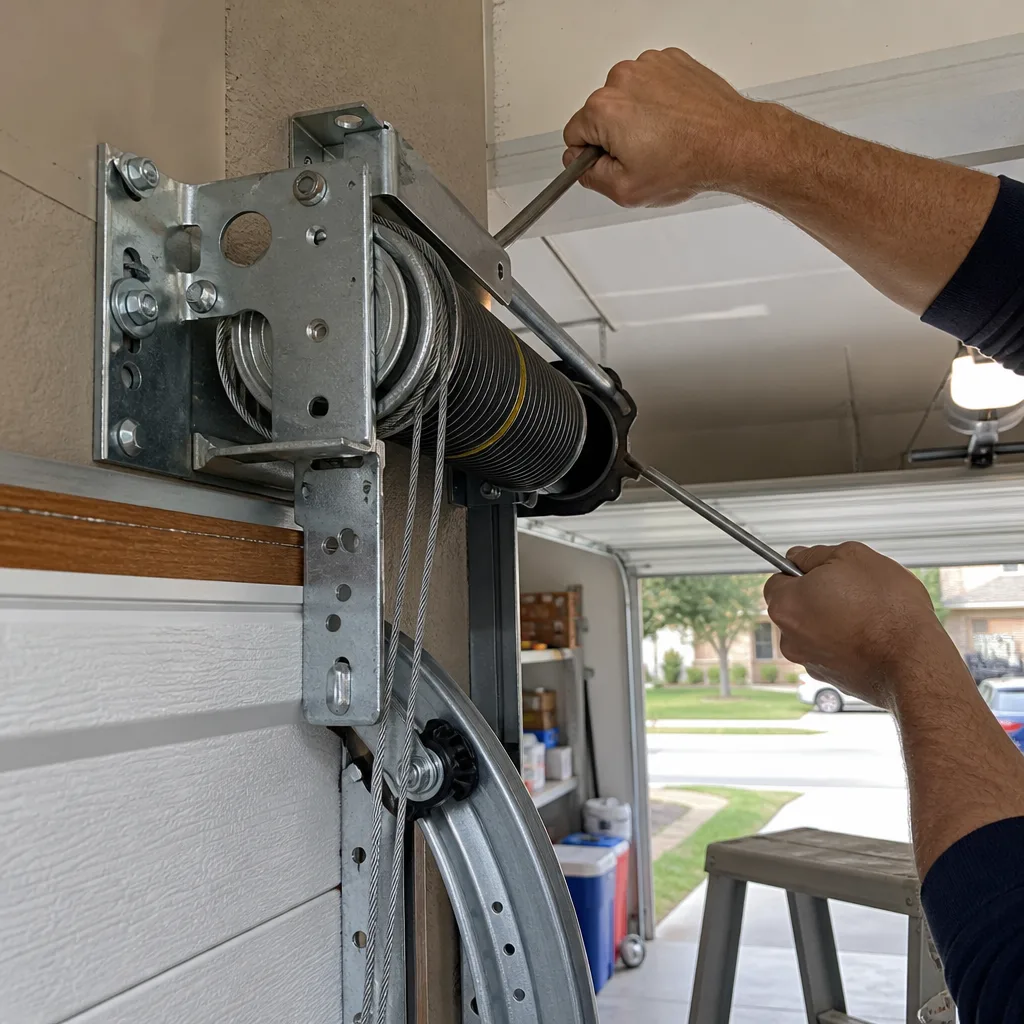
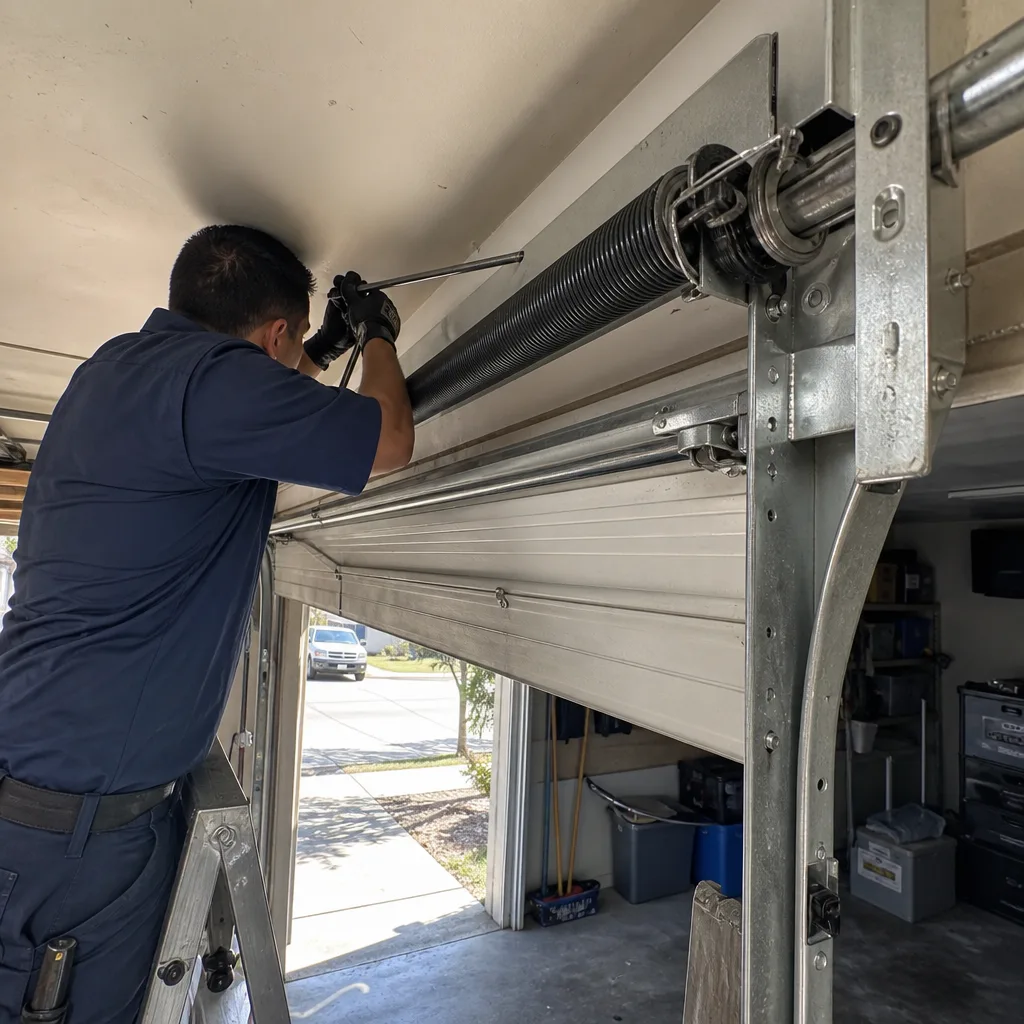
- Attempting to adjust torsion spring tension themselves. Torsion springs hold enough stored energy to seriously injure a person. We’ll say this once: that is not a DIY repair. It’s one of the few garage door tasks that carries real risk, and no amount of video-watching changes the physics. Please call a professional.
- Waiting until the door fails to look up a repair company. San Antonio homeowners who’ve done their research before the door breaks make better decisions then. You already know our number, our promise, and our pricing approach. That’s the right position to be in when the spring finally goes.
When to Call a Professional
Call a technician when the door won’t hold itself at half-height, when the coil gaps measure wider than a nickel, when the door shows a side-to-side gap of more than 1/4 inch, or when a grinding sound has persisted for more than a week. Call immediately if the door has come completely off one side of its track, if a spring has visible breaks, or if the door reversed and a child or pet was near the photo eyes. Fernbrook Garage Doors San Antonio offers free estimates to all San Antonio homeowners. Call (806) 602-8374 and a live person answers, 24/7.
Frequently Asked Questions
In the San Antonio market, minor garage door repairs like roller replacement or sensor realignment typically run $95 to $175 including the service call, while spring replacement on a two-car door runs $280 to $340 and opener gear replacement $180 to $230. Every Fernbrook estimate is written down before work begins, so the price you see is the price you pay. Call (806) 602-8374 for a free estimate.
Yes, Fernbrook Garage Doors San Antonio keeps repair appointments available same-day and responds to emergency calls 24 hours a day, 7 days a week. A live person answers the phone, not a voicemail tree, so you’ll know your timeline before you hang up. Call (806) 602-8374.
A grinding noise means a metal component is wearing against another metal component, most often a seized roller or a stripping drive gear. The repair cost depends on which one it is, but both are cheaper this week than next month. Call (806) 602-8374 and we’ll tell you the likely cause and the exact price before any work starts.
It means the opener’s safety system detected an obstruction or a sensor alignment problem and is refusing to close as designed. The number of blinks tells you which fault it is. The fix is usually a five-minute alignment, not a new opener. If you tell us the blink pattern when you call, we’ll bring the right parts on the first visit.
Yes, the combination of sustained heat above 100°F and seasonal rain creates the exact conditions that bake the plasticizers out of rubber and vinyl seals. Most San Antonio doors need a bottom seal replacement every five to seven years, which runs $25 to $40 installed. That’s normal maintenance, not a failed door.
Repair is almost always the cheaper path when the panels are intact and the door itself is structurally sound. We recommend considering garage door installation in San Antonio when the panels are dented or cracked, the track has been bent, or the door is over fifteen years old and the spring plus opener both need work at once. Our technicians will tell you honestly which option serves you better, and the written price applies either way.
The Bottom Line
Your San Antonio garage door has been communicating with you since the day it was installed. A scrape is a roller. A pop is a spring coil. A grind is a gear. An uneven gap is a cable or a track shift. A seal bubbled and stained is a climate casualty. Every one of these signals names a specific component, and every component has a fix that is dramatically cheaper in week one than it is in week four. That’s the whole reference guide in five sentences. You don’t have to become a technician. You just have to listen long enough to know which number to call, and when. For more guides & resources, explore the rest of our blog. Fernbrook Garage Doors San Antonio is that number: (806) 602-8374. Written estimate before work starts. Every visit. No exceptions.
Written by Jesse Calder, Owner at Fernbrook Garage Doors San Antonio, serving San Antonio since 2002.
See the difference
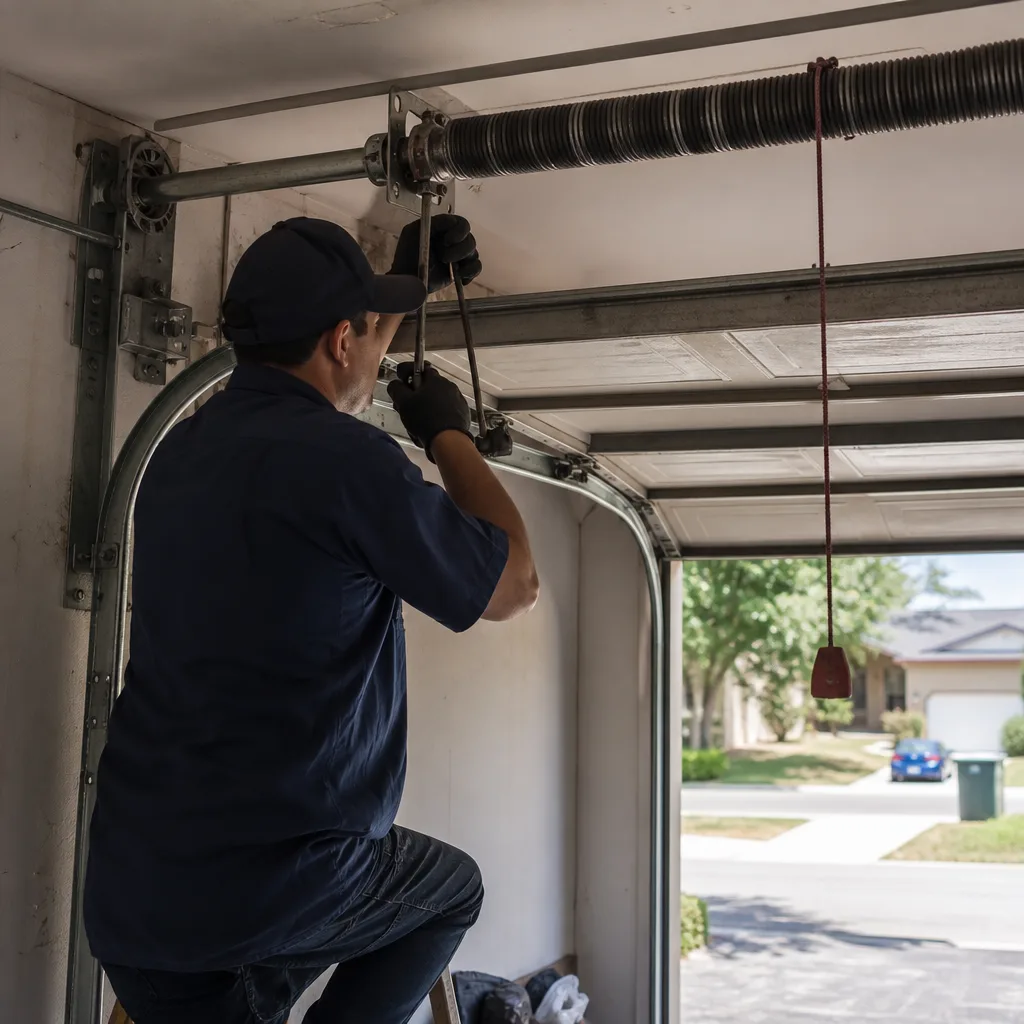 Before
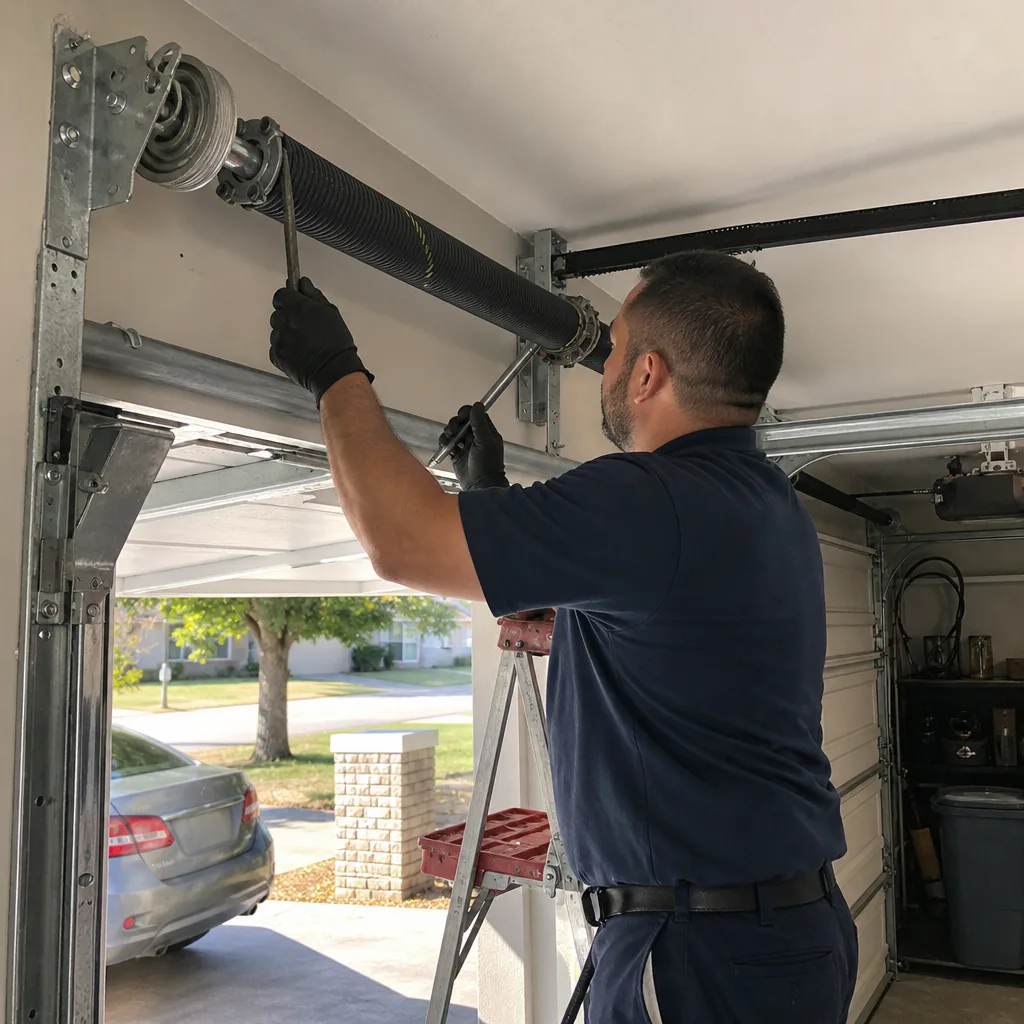 After
After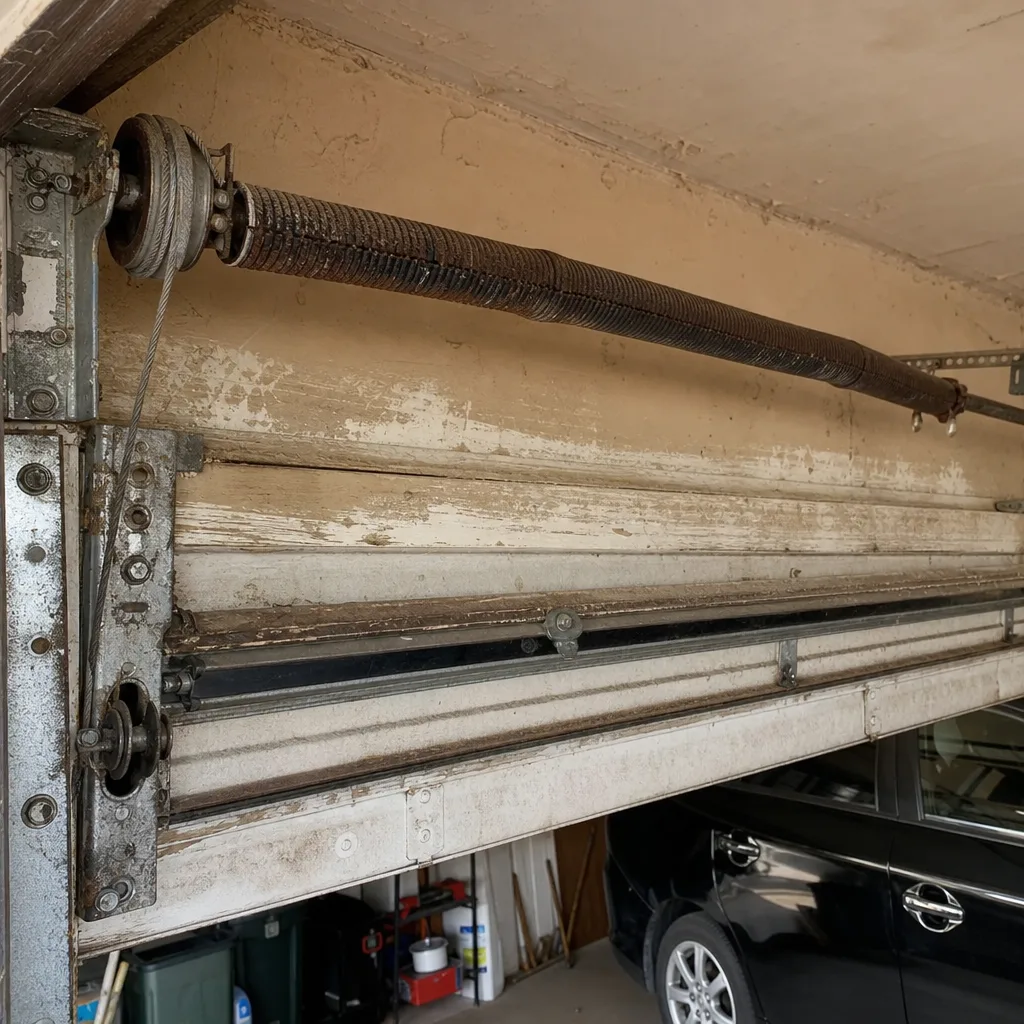 Before
 After
After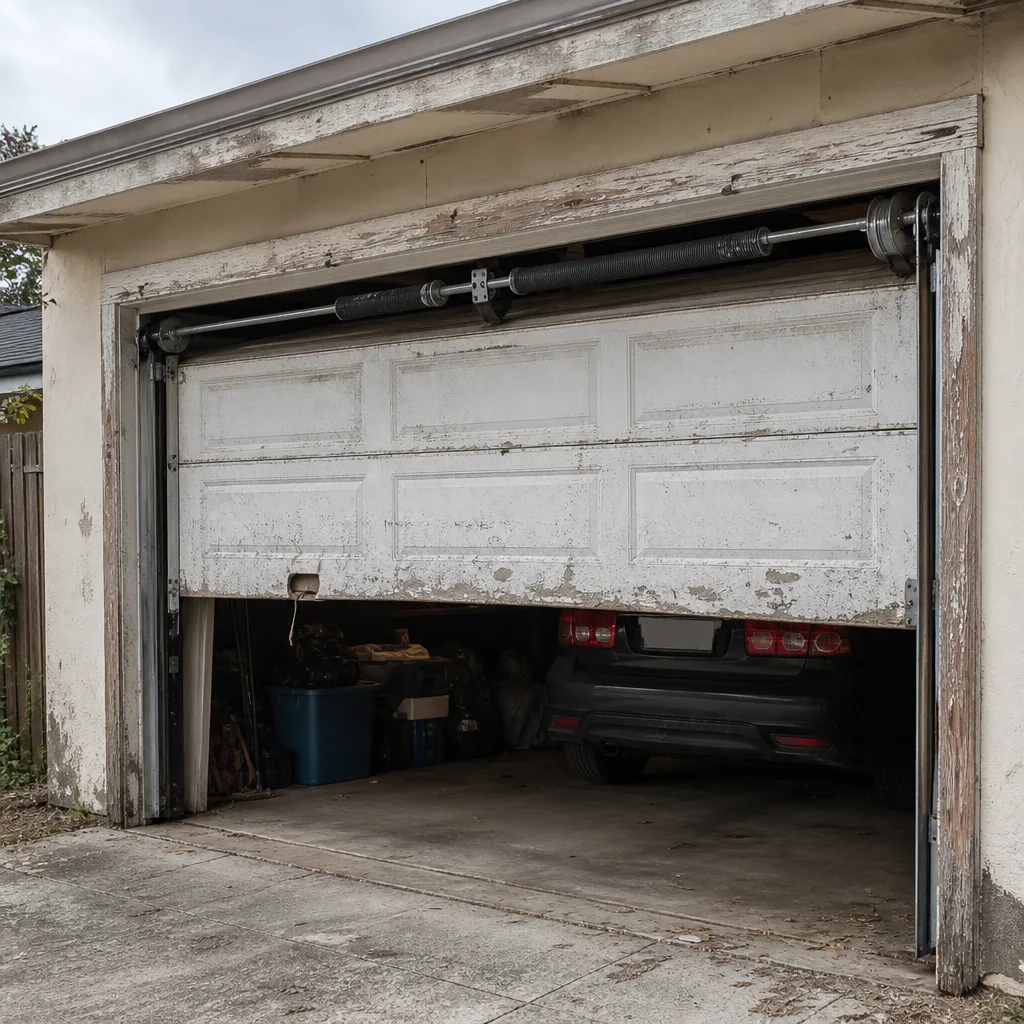 Before
 After
After