
Last updated October 17, 2026
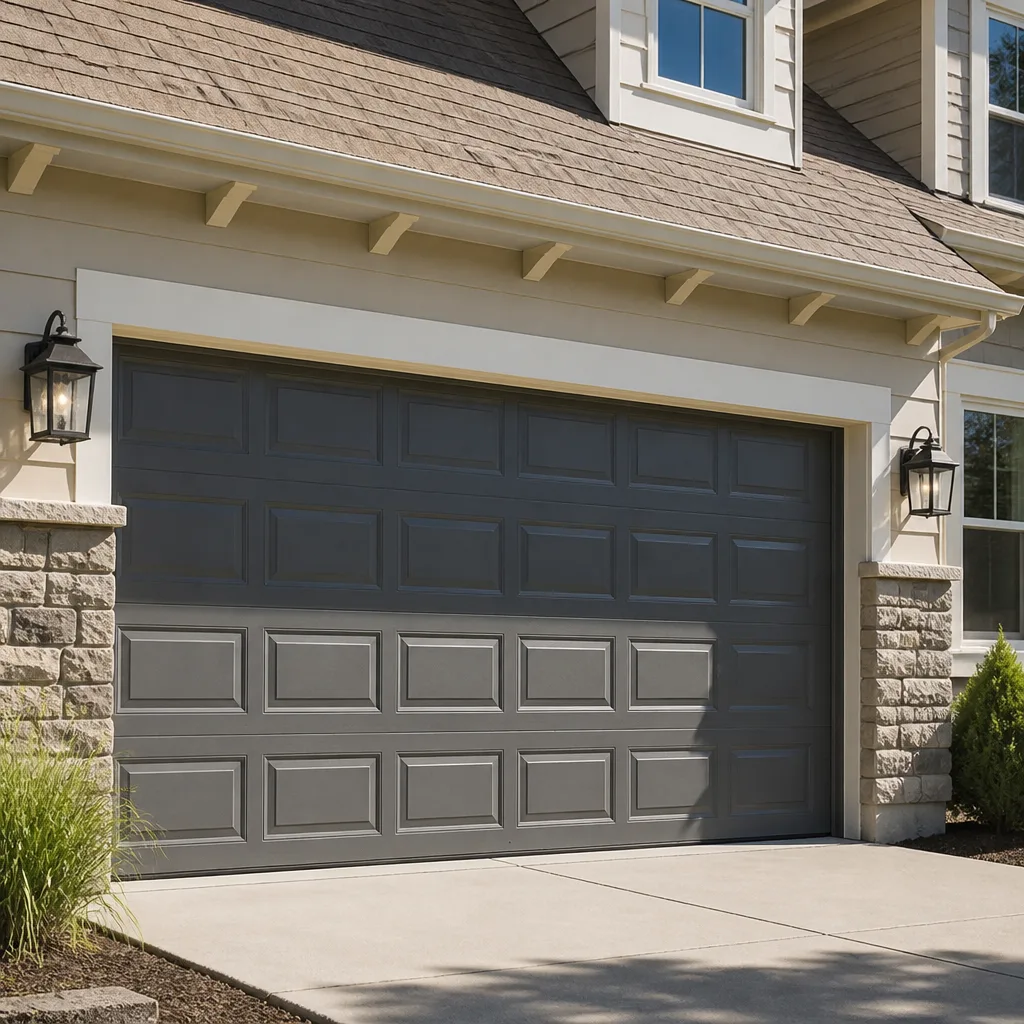 Raised-panel steel
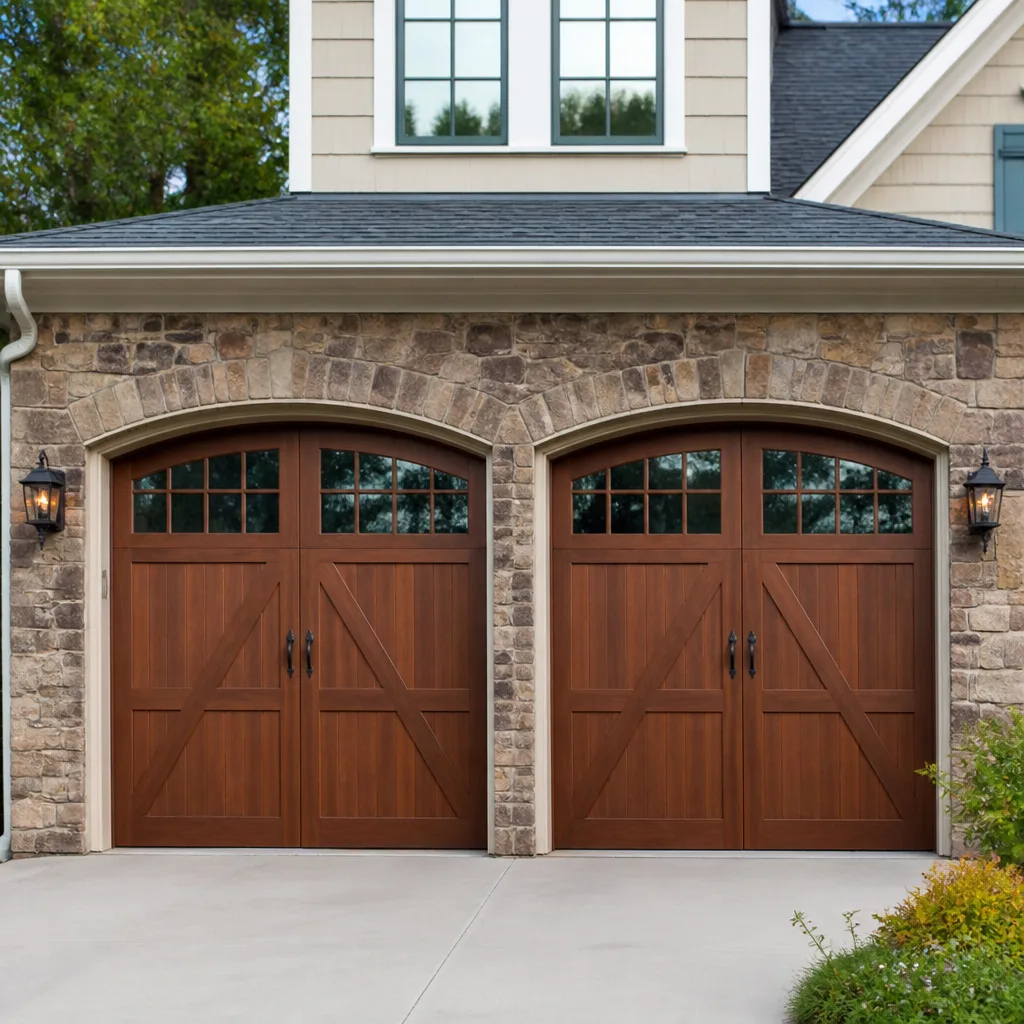 Carriage house
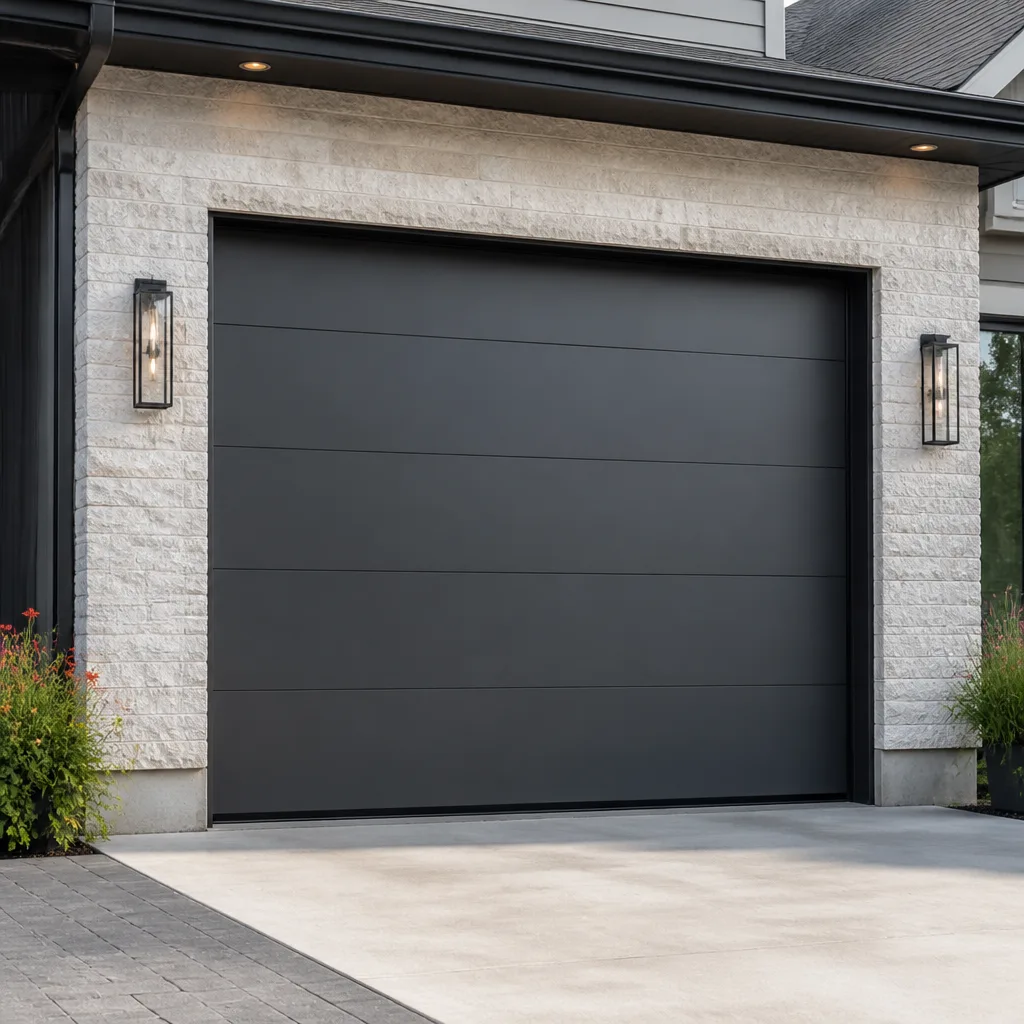 Modern flush
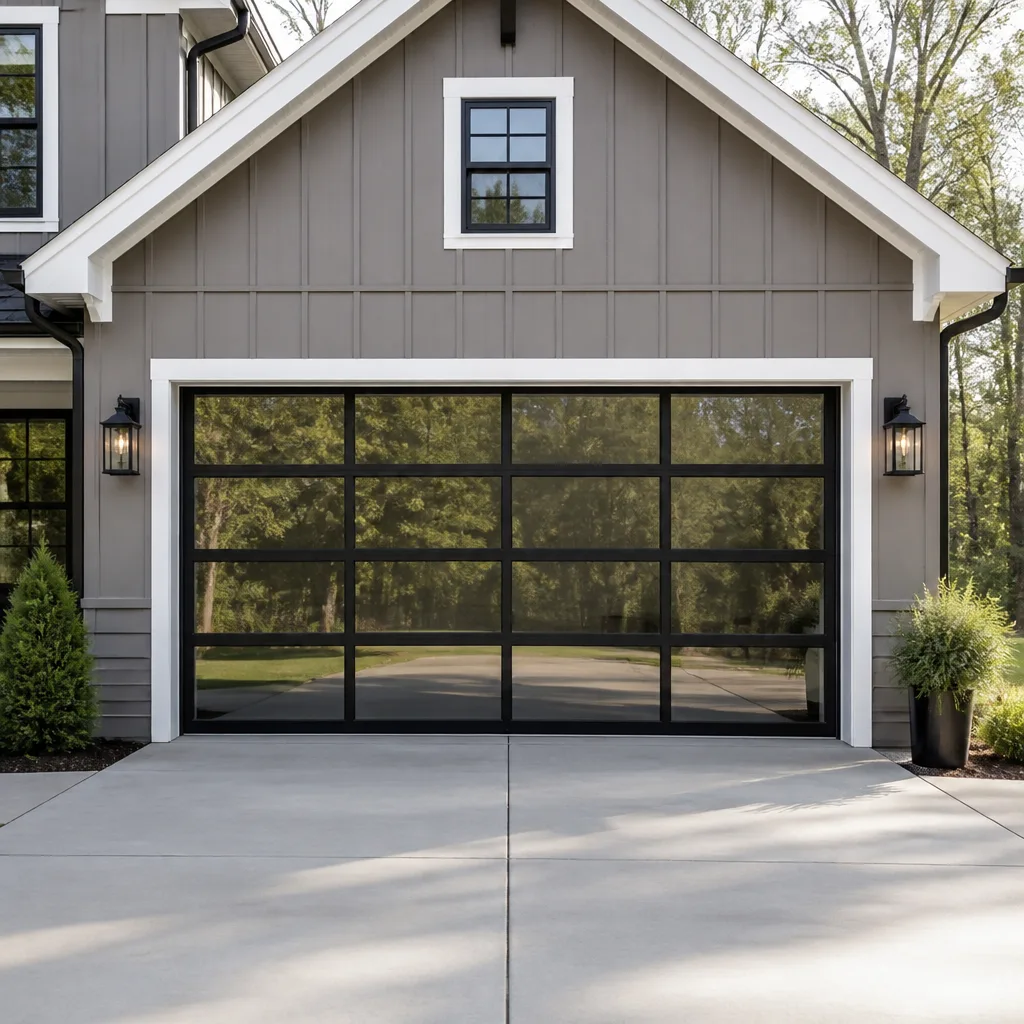 Full-view glass
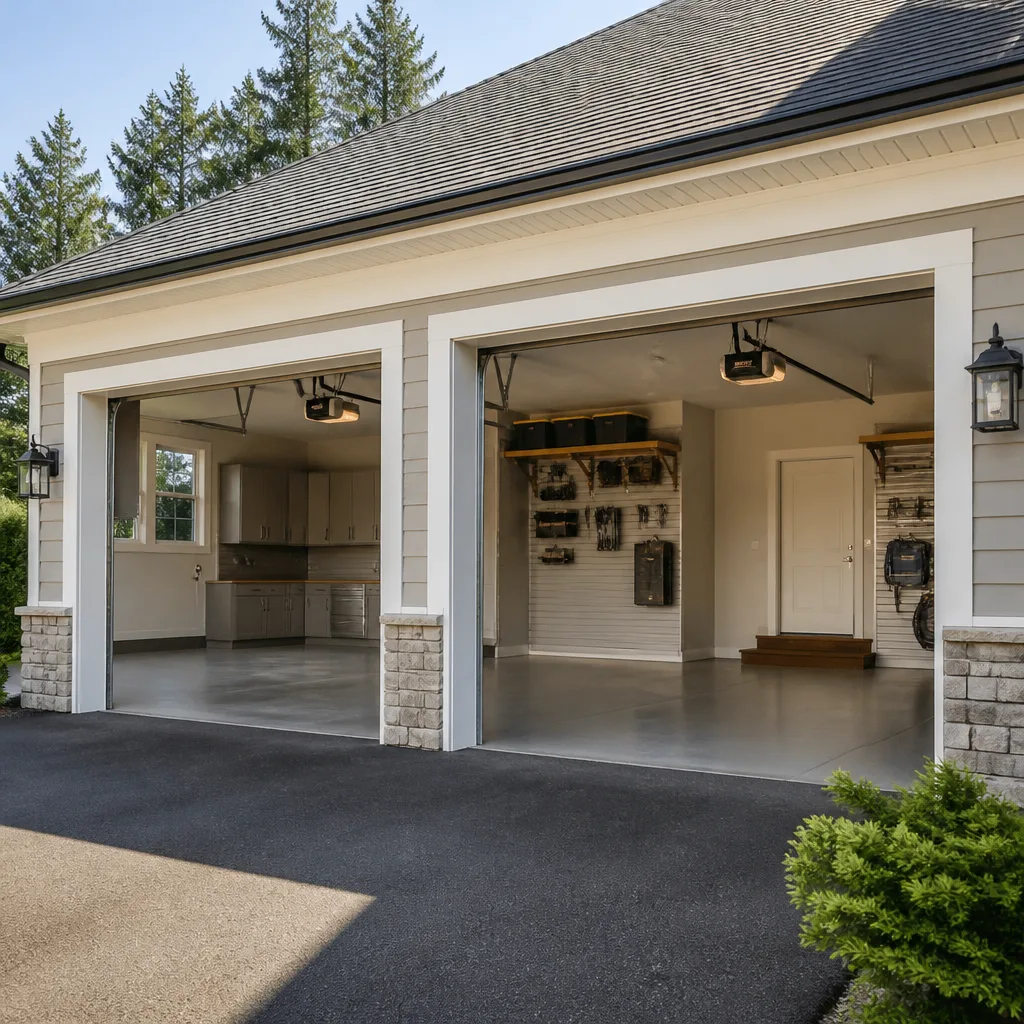 LiftMaster openers
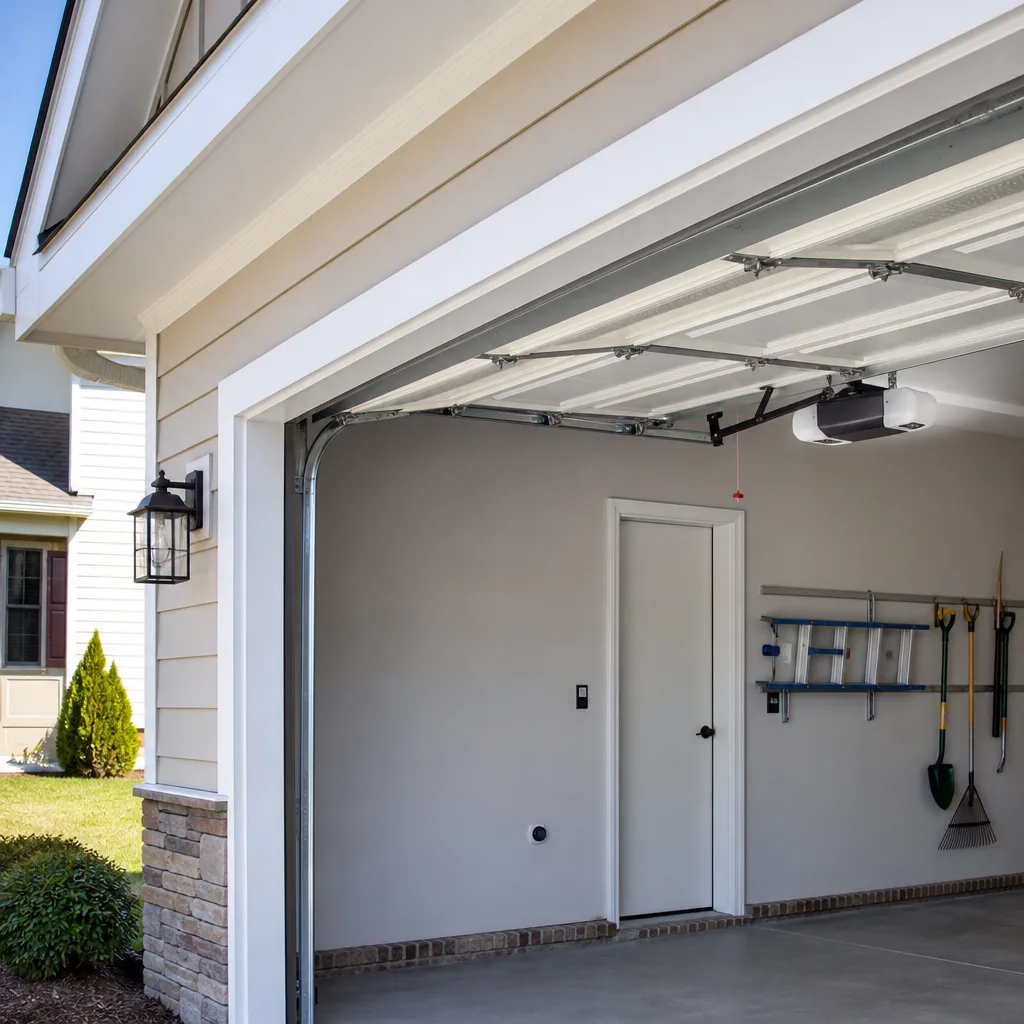 Chamberlain openers
Full 25-point door and opener safety check with every visit - springs, cables, rollers, tracks, and your LiftMaster or Chamberlain opener included
You get a price before we start. It does not change when the truck arrives.
Get your free estimateGarage Door Permits, Codes & Inspections in TX: What You Need to Know
If you sell your San Antonio home and the buyer’s inspector finds an unpermitted garage door replacement, the cost of retroactive compliance – or the price concession you’ll make – will almost always exceed what the permit would have cost at the time. That single fact reshapes how every homeowner should think about the permit question, yet most contractors never raise it because it slows down the job. This guide walks through exactly when Texas and Bexar County require permits for garage door work, what inspectors actually look at during a wind-load check, how to verify whether your existing door was permitted, and how the paperwork protects you far more than it protects the contractor. For more guides & resources, see our full library.
Quick Answer
In San Antonio, replacing an entire garage door or changing the opening’s structural framing requires a building permit from the city’s Development Services Department, while most in-place repairs – springs, openers, cables, panels – do not. Bexar County requires the new door to meet wind-load standards specific to the region, and the permit triggers an inspection that verifies installation against those standards. The permit typically costs $50 to $150 depending on the project scope, and a contractor who cannot pull one on your behalf is almost certainly not licensed in Texas.
Styles & brands we work with
Table of Contents
- When a Garage Door Permit Is Required in San Antonio
- When a Permit Is NOT Required
- What a Bexar County Wind-Load Inspection Actually Covers
- The Three Installation Details Inspectors Cite Most Often
- How to Check Whether Your Existing Garage Door Was Permitted
- The Insurance Liability of an Unpermitted Door
- How to Ask a Contractor to Pull the Permit
- What a Garage Door Permit Costs in San Antonio
When a Garage Door Permit Is Required in San Antonio
San Antonio’s Development Services Department draws the permit line at structural work. Replacing an entire garage door assembly – the panels, tracks, springs, and mounting hardware as a single unit – counts as a structural alteration because the door resists wind pressure against the opening. The city’s residential building code treats a full door replacement the same way it treats a window replacement or a roof deck repair: the opening’s weather barrier and load path are being disturbed, so a permit is required.
The practical threshold works like this:
- Full door replacement, any size: Permit required. This includes replacing a worn-out door with a new one of the same dimensions and replacing a standard door with a wider or taller one.
- Changing the rough opening: Permit required, regardless of whether the door itself is new. Widening an opening, raising the header, or relocating the door means framing work.
- New garage construction or a garage addition: Permit required for the entire structure, with the garage door included in that permit.
- In-place repairs to an existing door: No permit needed. Springs, openers, cables, rollers, sensors, weather seals, and individual panel replacements are maintenance and repair items, not structural changes.
The phrase “it’s just a replacement” is the single most common legal misconception we hear in San Antonio. The city does not distinguish between a replacement that changes dimensions and one that does not. If the complete door assembly comes out of the opening, the permit requirement attaches. Homeowners in neighborhoods from Alamo Heights to Stone Oak are equally subject to this rule, and the Development Services Department enforces it through both its inspection program and through code compliance complaints.
There is a second trigger worth knowing: if the garage is attached to the home, any work on the shared wall or the door opening affects the dwelling’s fire separation. San Antonio requires attached garages to maintain a fire-rated barrier between the garage and living space. A full door replacement touches that barrier’s perimeter, so the permit also verifies the fire separation remains intact.
For guidance specific to your home, Garage Door Installation in San Antonio includes a walkthrough of how we handle the permit conversation before anyone touches the opening.
When a Permit Is NOT Required
Most of the calls we take in San Antonio fall on the no-permit side of the line, and there is genuine relief in that for homeowners. The maintenance and repair category is broad, and the city has no interest in slowing down a spring replacement or an opener swap.
Work that does not require a permit in San Antonio includes:
- Garage door spring repair, including torsion and extension spring replacement
- Garage door opener repair or replacement
- Replacing a single damaged panel or a section of panels
- Roller, hinge, cable, or track replacement
- Weather seal, weatherstripping, and threshold replacement
- Sensor realignment and photo-eye replacement
- Lubrication, balancing, and routine tune-ups
The reasoning is straightforward: none of these items change the structure of the opening or the door’s wind-resistance rating. The door remains what it was, repaired rather than replaced. A technician working on a spring inside your Alamo Ranch garage is not required to file paperwork with the city, and no inspection will follow the repair.
One caveat: if a repair becomes extensive enough that the contractor removes the entire door assembly from the opening, the city considers that a replacement even if the same door goes back in. The distinction hinges on whether the door leaves the opening as a unit, not on whether you purchase a new door. A reputable company will tell you where your job falls before work begins. Our team at Garage Door Spring Repair in San Antonio walks every homeowner through this distinction on the phone, because the last thing you need is a surprise permit notice after the fact.
What a Bexar County Wind-Load Inspection Actually Covers
When a garage door permit is pulled in San Antonio, the inspection that follows is primarily a wind-load verification. Bexar County sits in a region where design wind speeds reach 110 miles per hour under the current Texas building code, and garage doors are among the largest wind-resisting surfaces on the home. A door that fails in a storm does not just let water and debris into the garage – it can allow pressure to build inside the garage and lift the roof structure off the walls.
The wind-load inspection covers these specific points:
- Door rating documentation: The inspector confirms the installed door is rated for the wind pressure required at the home’s specific location. Manufacturers such as Clopay, Amarr, and Wayne Dalton provide compliance documentation that must be on site during the inspection.
- Track and jamb attachment: The mounting brackets must be anchored per the manufacturer’s wind-load installation instructions, with the correct fastener type, size, and spacing into the framing.
- Reinforcement struts: If the door requires struts to meet the wind rating, the struts must be present and attached at the specified intervals.
- Header condition: The inspector looks at the header above the door to confirm it can carry the transfer load from the door assembly through the framing to the foundation.
- Weather barrier integration: The perimeter seals and flashing must integrate properly with the wall assembly so wind-driven rain cannot enter around the door.
In practice, many San Antonio inspectors perform this review in under twenty minutes. The inspection is not a test of the door’s operation – it is a test of the installation’s structural integrity. A door that opens and closes perfectly can still fail a wind-load inspection if the track brackets are anchored with the wrong fasteners.
The Three Installation Details Inspectors Cite Most Often
We have walked through enough failed inspections with San Antonio homeowners to know which details cause the most rework. These three come up again and again, and all three are avoidable when the installer reads the manufacturer’s wind-load documentation before mounting anything:
- Incorrect fasteners at the jamb brackets: The manufacturer’s wind-load table specifies a lag screw diameter and embedment depth into the framing. Installers who use drywall screws or a shorter lag than specified will fail the inspection. This is the single most common citation on garage door permits in San Antonio.
- Missing or undersized reinforcement struts: On wider doors – typically over nine feet – the wind rating often requires horizontal struts on the interior face of the door sections. Skipping the struts or substituting a lighter gauge than the documentation calls for is an automatic deficiency.
- Header transfer not addressed: When a door is replaced, the header above it must transfer the wind load from the door’s top bracket into the wall framing. Installers sometimes mount the top brackets to the old header without confirming the header’s load path is still intact. The inspector will flag this and require an engineered fix, which costs more than doing it correctly the first time.
None of these failures are visible to a homeowner watching the installation. The door goes up, it opens, it closes, and everything looks right until the inspector pulls out the documentation and checks the fasteners. That is why the permit process works in your favor: it forces the installer to meet a standard that you cannot verify yourself.
How to Check Whether Your Existing Garage Door Was Permitted
If you already own your San Antonio home and want to know whether a previous garage door replacement was permitted, the city’s online records portal is the fastest way to find out. The Development Services Department maintains searchable permit records for most residential work completed in the last two decades.
Here is the step-by-step process:
- Go to the City of San Antonio Development Services Department website and open the permit search tool, also called the Building Permits search.
- Enter your property address. The system pulls up all permits associated with that parcel, including building, electrical, plumbing, and mechanical permits.
- Look for a building permit with a description that mentions “garage door,” “residential addition,” or “residential remodel.” A garage door replacement is usually listed as a building alteration permit.
- If you find the permit, note the permit number and the inspection status. A final inspection signed off means the work was completed under code.
- If no permit appears for the door work, the installation was either completed before the digital records era or completed without a permit.
What should you do if you discover the door was unpermitted? Your options depend on how long ago the work was done and whether you plan to sell the home. If the door is functioning properly and the installation looks professional, many homeowners choose to document the situation and address it at sale. A permitted retrofit is also possible: a contractor pulls a permit for the existing door, the inspector reviews the installation, and any deficiencies get corrected at that point. This costs less than most buyers’ inspectors estimate during a sale negotiation.
If the door is older, the simpler path is often a permitted replacement. Garage Door Repair in San Antonio covers how we evaluate whether a door is worth retrofitting or replacing, including the permit math for each path.
The Insurance Liability of an Unpermitted Door
The permit question moves from procedural to financial when a storm damages your garage door and you file an insurance claim. Most Texas homeowners policies include coverage for wind damage to garage doors, but the insurer has the right to request documentation that the door was installed in compliance with local building codes. That documentation is the permit, and without it, two things tend to happen.
First, the insurer may reduce the claim payout. The policy typically covers the actual cash value or replacement cost of the door, but an unpermitted installation is treated as a code-compliance defect. The insurer can apply a reduction based on what it would cost to bring the installation into compliance, and that reduction often equals or exceeds the original permit cost several times over.
Second, the insurer may deny the claim outright if the unpermitted installation is determined to have contributed to the damage. A garage door that failed in wind because it was never verified against the wind-load standard is exactly the scenario a permit was designed to prevent. The homeowner is left holding the full replacement cost, and the contractor who skipped the permit is usually unreachable or unwilling to cover it.
This is the quiet risk that no one discusses at the point of sale. The permit fee that felt like an inconvenience becomes the cheapest insurance you ever bought. For a door replaced in a San Antonio neighborhood within the city’s wind-load jurisdiction, a permitted installation means the documentation exists when the claim is filed.
How to Ask a Contractor to Pull the Permit
When you are getting quotes for a garage door replacement in San Antonio, the permit conversation should happen before you sign anything. Our How to Hire a Garage Door Contractor in San Antonio: A Step-by-Step Guide explains exactly what to look for. You are not asking a favor – you are asking a contractor to demonstrate that they are licensed to do the work the city requires.
The question to ask is direct: “Will you pull the permit for this replacement, and is the permit fee included in your written price?”
A licensed Texas contractor will answer yes without hesitation. The permit fee gets added as a line item, typically $50 to $150 for a residential garage door, and the contractor files the application with the Development Services Department. The inspection gets scheduled after the installation, and the contractor handles that coordination as well.
The response that tells you the contractor cannot pull permits is any version of these statements:
- “You don’t need a permit for a garage door.”
- “I can do the work, but you’ll have to handle the permit yourself.”
- “Permits just slow the job down and cost you extra money.”
All three indicate the same underlying problem: the contractor is not licensed to pull permits in Texas, which means they cannot legally perform the structural work your replacement requires. The work might look fine on the day of the install, but the permit is the only proof that it was done to the standard your home and insurer expect.
When you call Fernbrook Garage Doors San Antonio home services, the permit conversation is part of the estimate, not an afterthought. We pull the permit, we schedule the inspection, and we stand with you through the sign-off.
What a Garage Door Permit Costs in San Antonio
The permit fee itself is modest compared to the cost of the door and installation. Here is a breakdown of what a San Antonio homeowner can expect:
- Residential building permit, garage door replacement: $50 to $150 depending on the project valuation, which the city calculates from the total installed cost of the door and labor.
- Permit with structural changes (opening modification): $150 to $400, with the higher fee reflecting the framing plan review.
- Contractor’s time to file and coordinate the inspection: Some contractors include this in the installation price; others add $50 to $100 as a line item.
- Re-inspection fee, if required: Usually $50 to $75 if the first inspection fails and a second visit is needed.
The total permit-related cost for a standard garage door replacement in San Antonio almost always lands between $75 and $250. Compare that to the potential sale concession or insurance claim reduction for an unpermitted door, and the permit is not just the right answer – it is the inexpensive answer.
Common Mistakes to Avoid
- Believing “replacement” means “no permit needed.” San Antonio treats a full garage door replacement as structural work, full stop. The word “replacement” does not exempt the job from the permit requirement.
- Letting the contractor decide for you. A contractor who says the permit is unnecessary may be protecting their own schedule, not your home. Ask for the permit in writing.
- Skipping the wind-load verification. In Bexar County, the wind rating is the whole point of the inspection. A door that is not rated and documented for your location is a claim waiting to happen.
- Paying in full before the inspection. A permitted job is not complete until the city signs off. Hold the final payment until the inspection passes, and the contractor has every incentive to get the details right.
- Assuming the home sale will be fine. Buyer’s inspectors in San Antonio check for permits on visible recent work, and they always check the garage door. Retroactive compliance at sale costs more than the original permit.
- Confusing repair with replacement. Springs, openers, and panels do not need permits. A full door assembly out of the opening does. Know which one you are actually doing before you call.
- Hiring a contractor who will not pull the permit. If they cannot pull it, they are not licensed in Texas. There is no gray area on this point.
See the difference
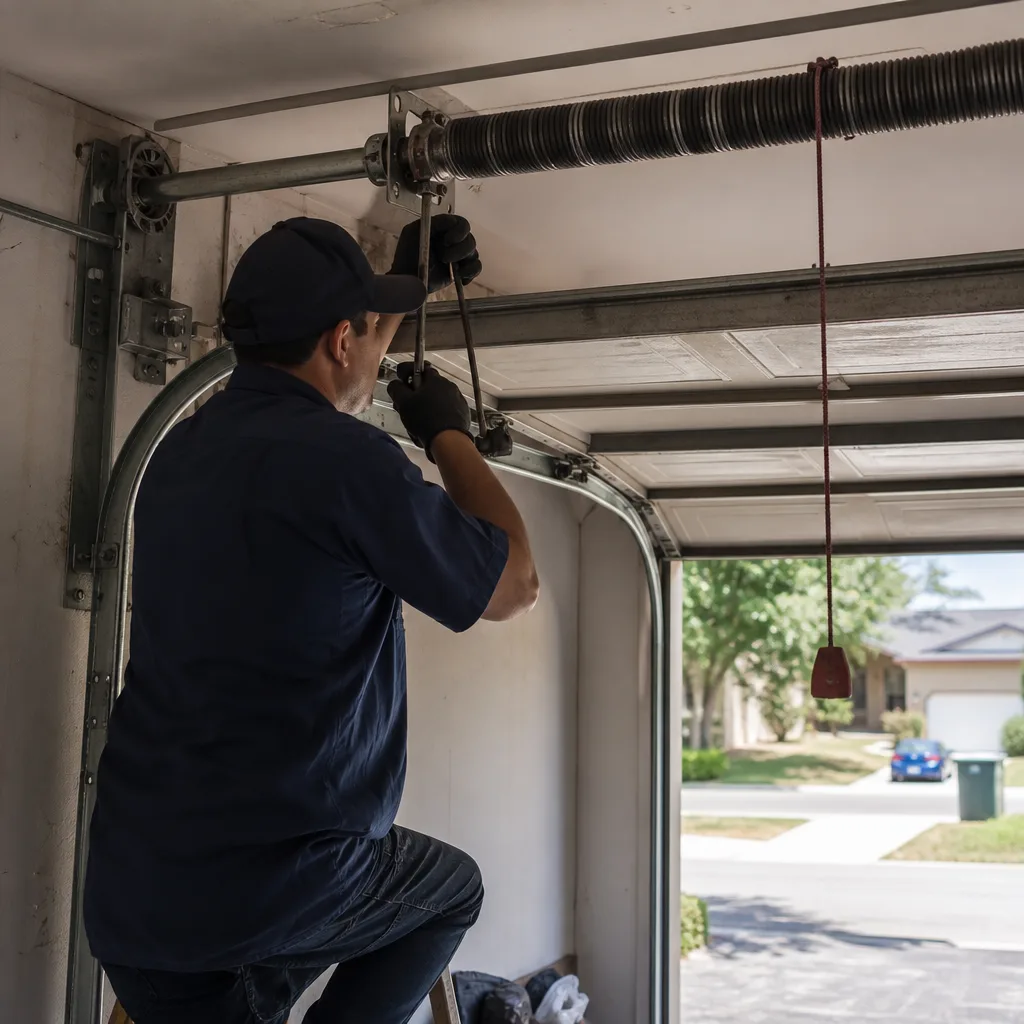 Before
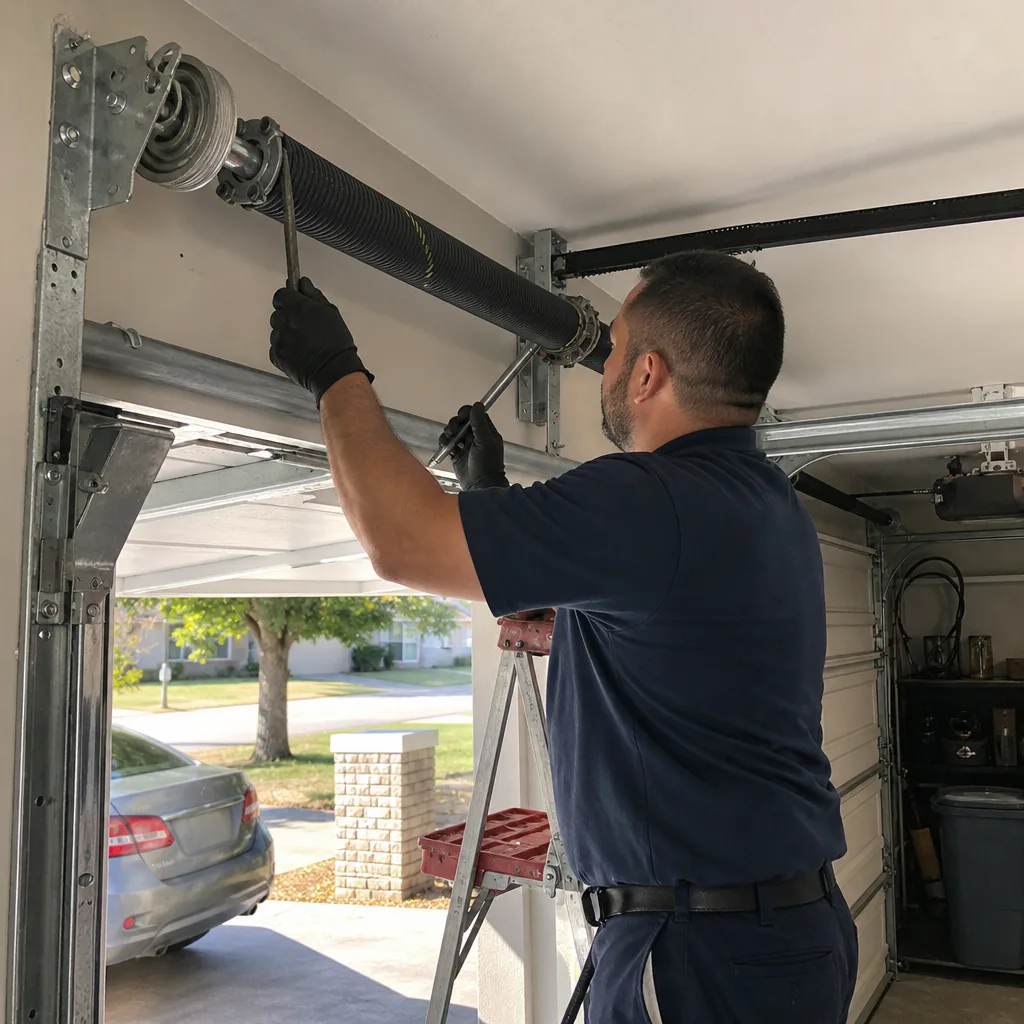 After
After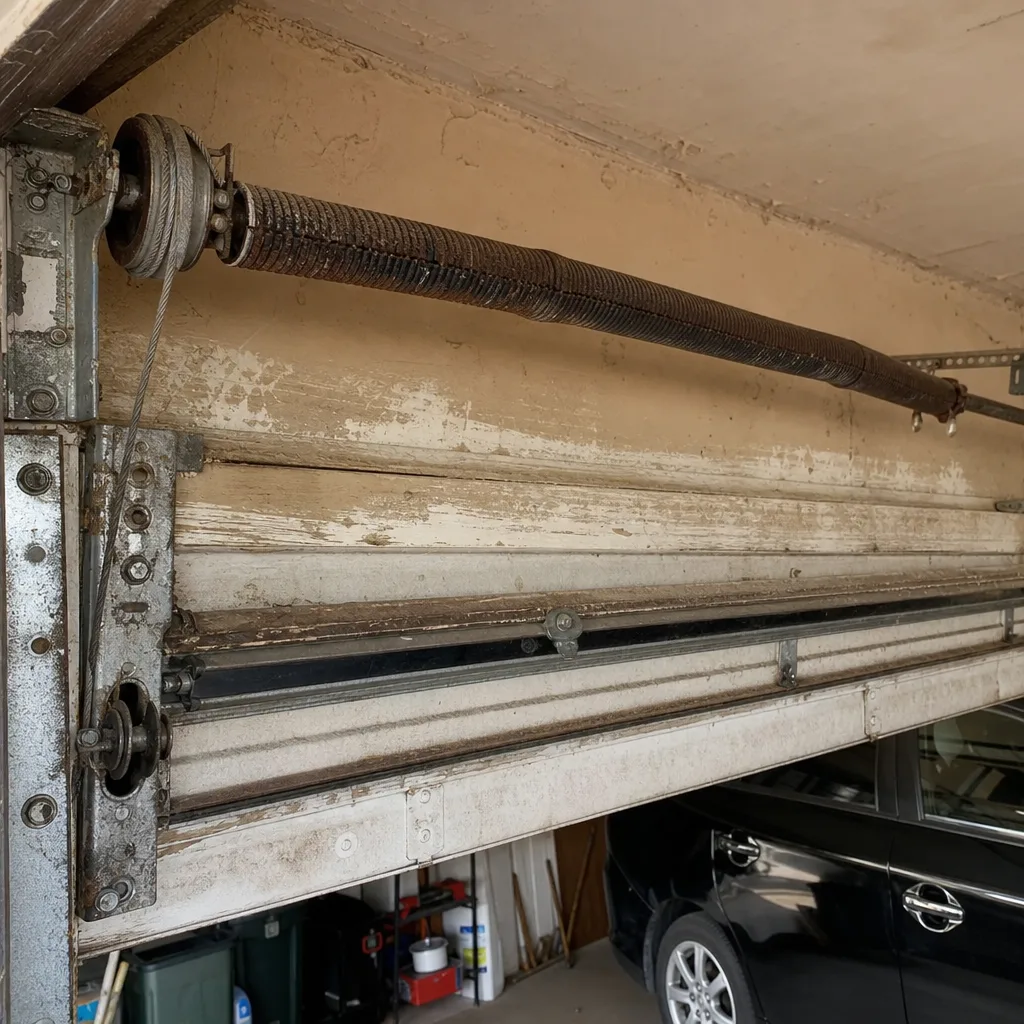 Before
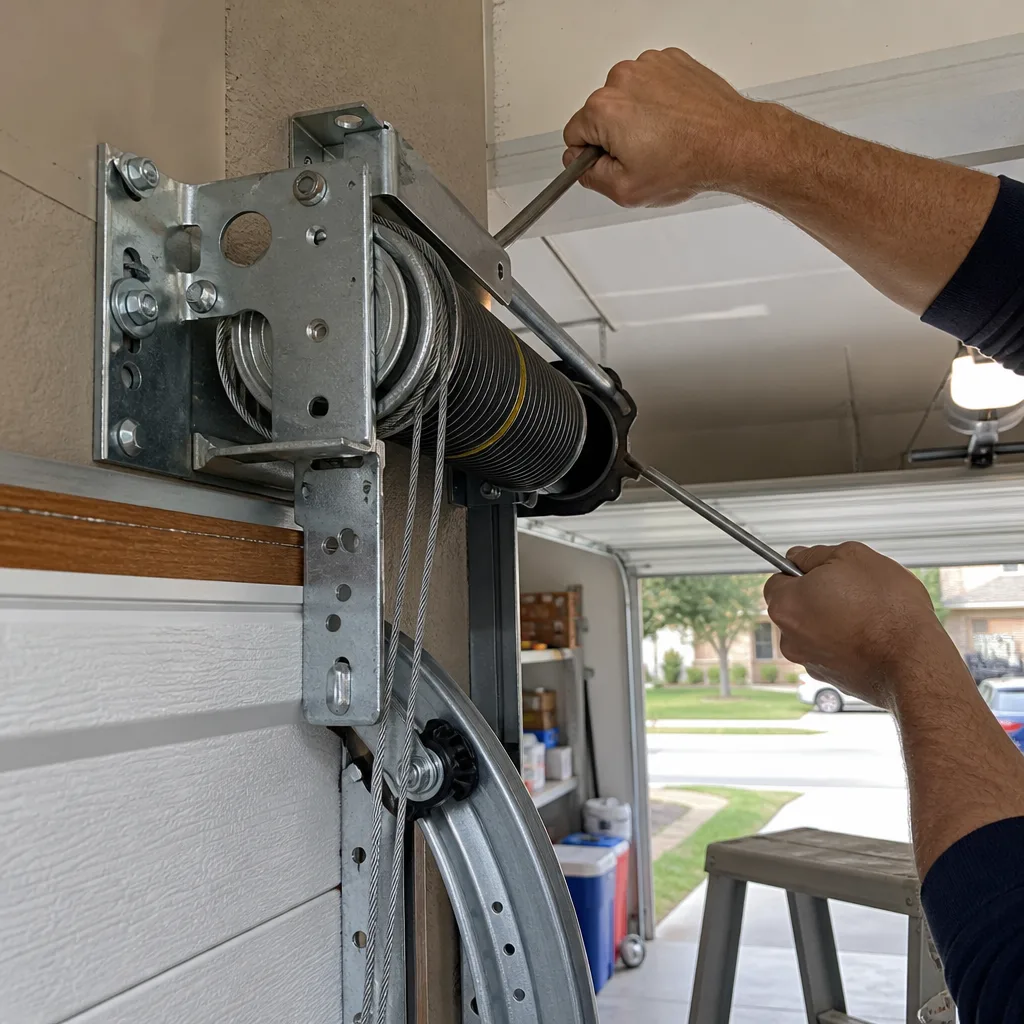 After
After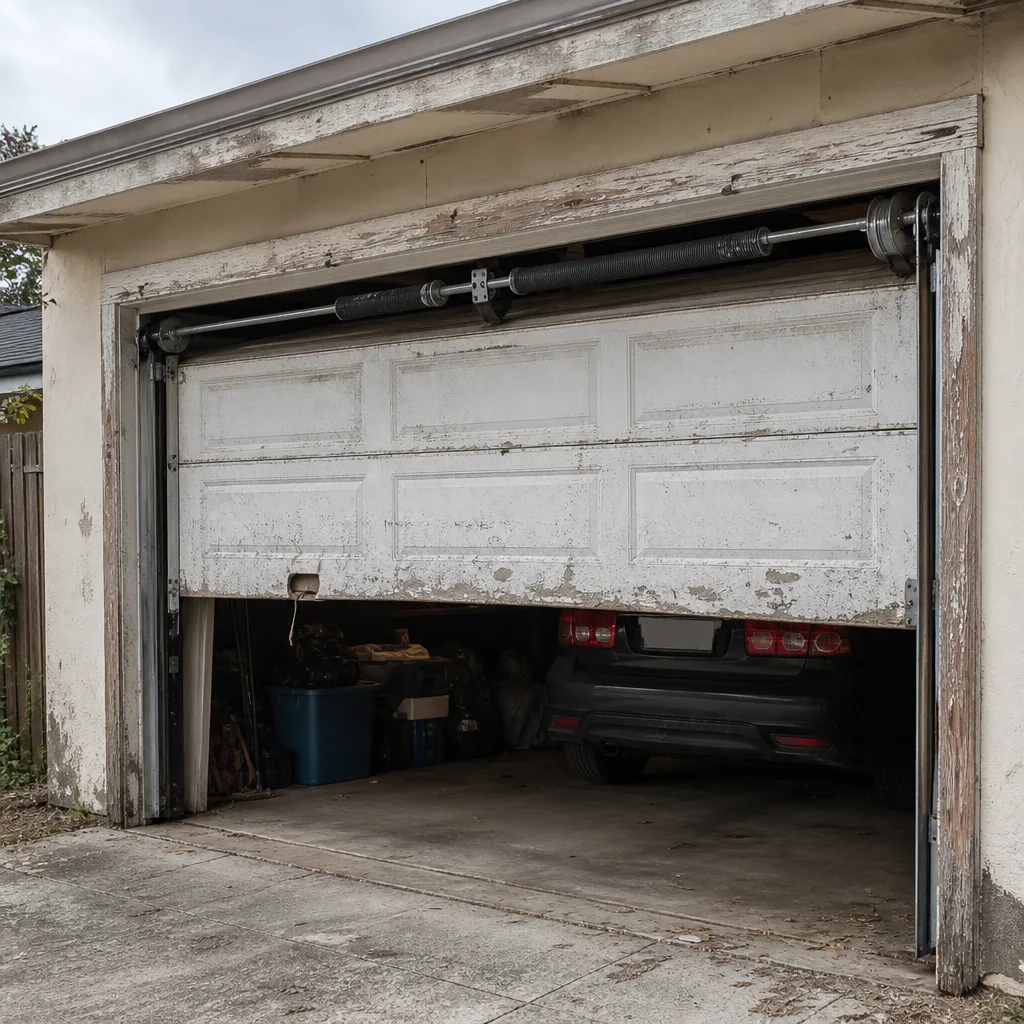 Before
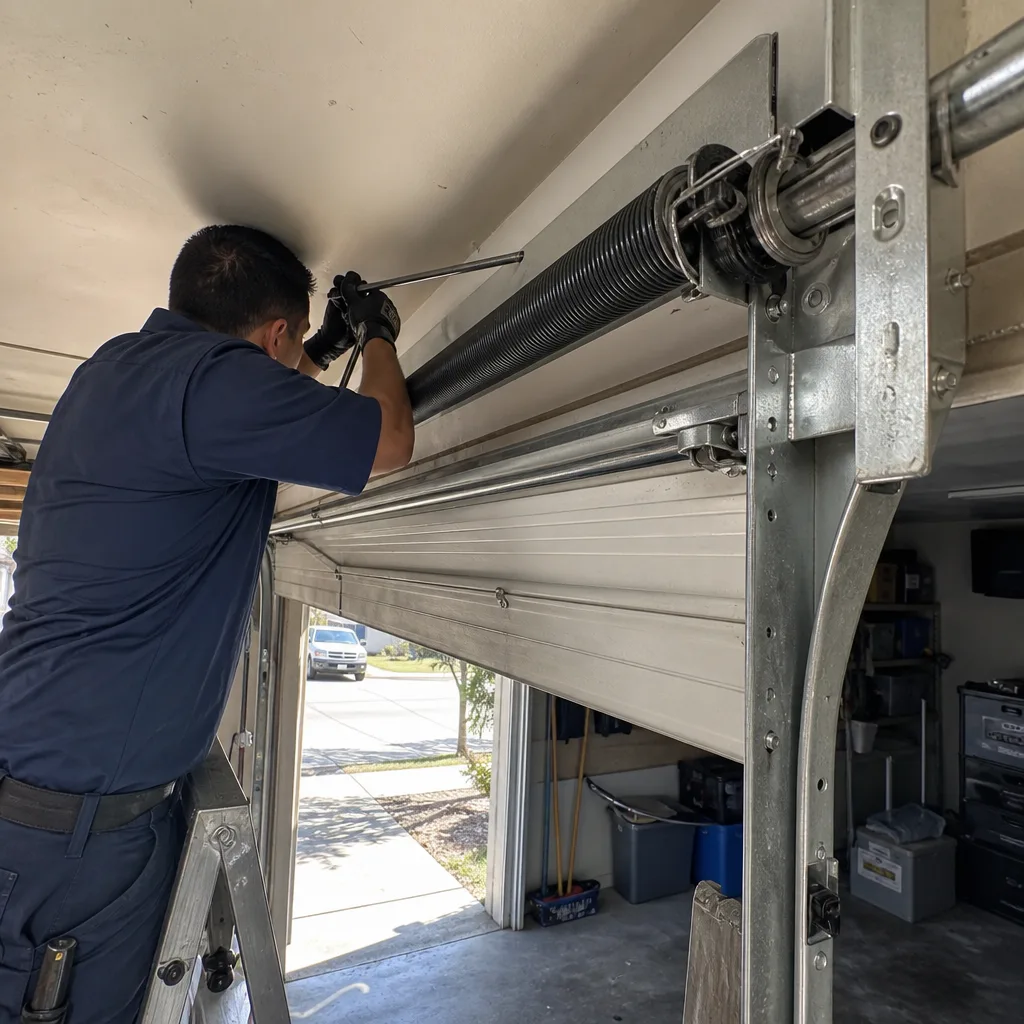 After
AfterWhen to Call a Professional
If your San Antonio garage door needs a full replacement, a structural modification, or you have discovered the existing door was never permitted, a licensed contractor is the only path that protects the home’s value and your insurance coverage. The permit process, the wind-load documentation, and the inspection coordination all flow through the contractor, and the right company treats that paperwork as part of the job rather than an afterthought.
Fernbrook Garage Doors San Antonio offers free estimates in San Antonio – call (806) 602-8374 for a written price before any work begins, including the permit fee and inspection timeline.
Frequently Asked Questions
Yes, a full garage door replacement in San Antonio requires a building permit from the Development Services Department because the door assembly is structural. In-place repairs like spring replacement or opener work do not require a permit.
A residential garage door permit in San Antonio typically costs between $50 and $150, with the total permit-related expense for a standard replacement landing between $75 and $250 once filing and inspection coordination are included.
An unpermitted replacement can surface during a home sale as a buyer’s inspection finding, leading to retroactive compliance costs or a price concession. It can also reduce or void an insurance claim if wind damage occurs and the insurer requests permit documentation.
Yes, San Antonio homeowners can apply for a permit on their own property, but doing so means you are responsible for the accuracy of the application, the wind-load documentation, and scheduling the inspection. A licensed contractor who handles the permit as part of the job removes that coordination burden.
The inspection verifies that the installed door meets the wind-load rating for your location, that the track brackets and jamb fasteners match the manufacturer’s specifications, that reinforcement struts are present where required, and that the header can carry the transfer load.
No, garage door spring repair is a maintenance item and does not require a permit in San Antonio. The permit requirement applies to full door replacements and structural changes to the opening, not to repairs of existing components.
The Bottom Line
The permit question on a San Antonio garage door replacement is not a bureaucratic formality. It is the line between an installation that will stand behind its documentation and one that cannot. A permitted door means the wind-load rating is verified, the fasteners are correct, the header is sound, and the paperwork exists if an insurer or a buyer ever asks. An unpermitted door means none of those things are provable. The permit costs less than a dinner out, and it protects the second largest opening on your home. Ask for it, insist on it, and never accept a contractor’s claim that it is unnecessary. For more guides & resources on protecting your home, explore our blog. The answer will tell you everything you need to know about who you are dealing with.
Written by Jesse Calder, Owner at Fernbrook Garage Doors San Antonio, serving San Antonio since 2002.